

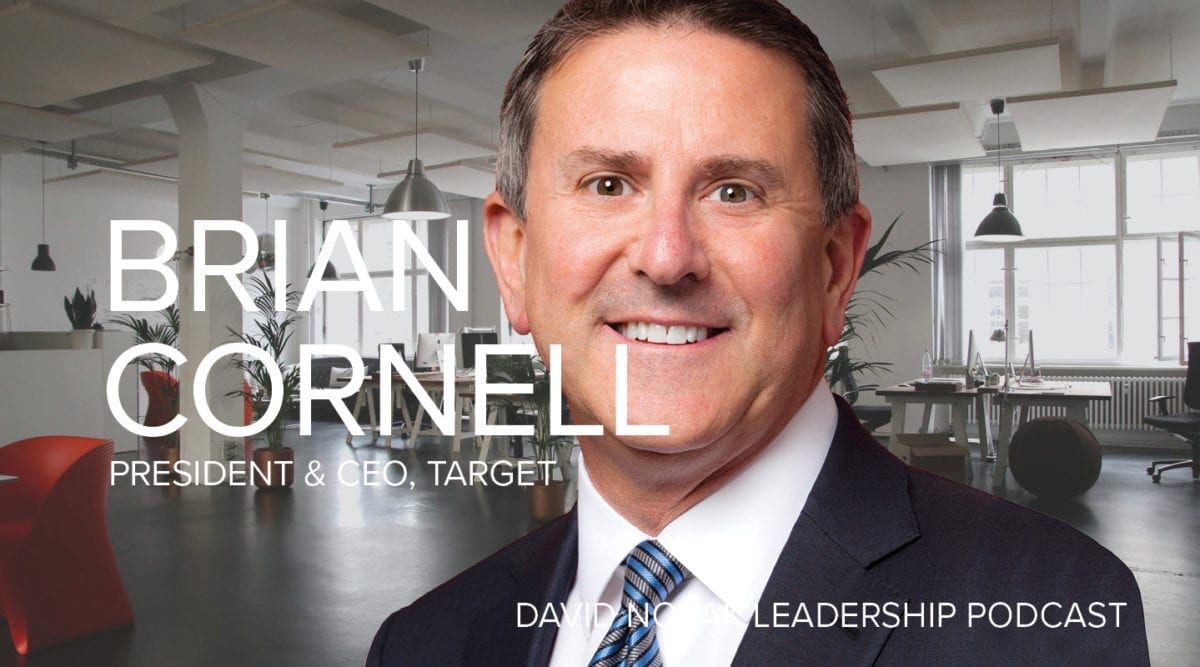
Target Executive Chairman Brian Cornell Faces Record Low Shareholder Support
Shareholder support for Target Executive Chairman Brian Cornell fell to 87.2% during the company’s annual general meeting this month, the lowest level of his tenure. According to voting records, this represents a 4% decline from last year and sits well below the 96.6% average for S&P 500 directors reported by Harvard Law.
Why did shareholder support for Brian Cornell drop?
Investors are reacting to dwindling profits, a falling share price, and three consecutive years of annual sales declines. Target’s share price has dropped roughly 50% since its 2021 all-time high, though it is up about 33% year to date.
Neil Saunders, GlobalData managing director and retail analyst, stated that some investors view Cornell’s February transition from CEO to executive chair as a “reward for failure.” Saunders noted that many believe a leader who delivers a decline in share price should be removed from the boardroom entirely.
The company also faced backlash over social justice issues, including the reduction of LGBTQ-themed pride merchandise and the rollback of diversity, equity and inclusion programs. These moves led to nationwide boycotts and declines in foot traffic, according to the report.
Which investors are pushing for change at Target?
Two of the largest public pension fund managers in the U.S. voted against Cornell. The Florida State Board of Administration, managing $277 billion in assets, cited “poor long-term company performance” in proxy records.
New York State Comptroller Thomas DiNapoli, who manages the $295 billion New York State Common Retirement Fund, also voted against him. DiNapoli stated that “Cornell and others should not be rewarded for poor performance” and claimed leadership mismanaged the workforce and damaged shareholder value.
Left-leaning activists, including Mercy Investment Services, Trillium Asset Management, and SOC Investment Group, also urged investors to vote against Cornell. They similarly targeted Lead Independent Director Christine Leahy, whose support fell 8% from last year to 88.5%.
How is the new CEO performing?
CEO Michael Fiddelke has seen strong initial backing, receiving 99% of the shareholder vote. D.A. Davidson senior research analyst Michael Baker said progress in merchandising suggests a positive trend under Fiddelke’s leadership.
Target reported comparable sales growth of 5.6% during its fiscal first quarter ending May 2. This marks the first positive same-store sales figure in five quarters, with growth seen across all six core merchandising categories.
Finance chief James Lee cautioned that higher tax refunds helped fuel this spending. Lee expects this specific benefit to fade throughout the remainder of the year.
What may happen next for Target’s board?
Kevin Kaiser, a finance professor at The Wharton School, said that drops in support below 90% are rare and indicate that shareholders are “going out of their way” to express dissatisfaction.
.jpg/300px-Target_Rock_Hill%2C_SC_(7151362297).jpg "What may happen next for Target's board?")
Kaiser suggested that change at the board level typically occurs when directors see such dramatic declines in support. If the board does not take action, Kaiser noted the next annual general meeting may not go well for them.
Target’s 2026 proxy statement maintains that keeping the board chair and CEO roles separate is “appropriate” for current strategic priorities, allowing Fiddelke to focus on business implementation while Cornell provides industry knowledge.
Frequently Asked Questions
What was the specific percentage of support for Brian Cornell?
Brian Cornell received 87.2% shareholder support, a 4% decrease from the previous year.
Why did the New York State Common Retirement Fund vote against Cornell?
State Comptroller Thomas DiNapoli stated that leadership mismanaged the workforce, hurt the brand, and damaged shareholder value.
What was Target’s sales performance in the most recent fiscal first quarter?
Target saw comparable sales grow by 5.6%, the first positive same-store sales number in five quarters.
Do you believe keeping a former CEO as Executive Chairman helps or hinders a company’s turnaround?