
Targeting DDX6 Protein to Unmask Cancer Cells for Immunotherapy
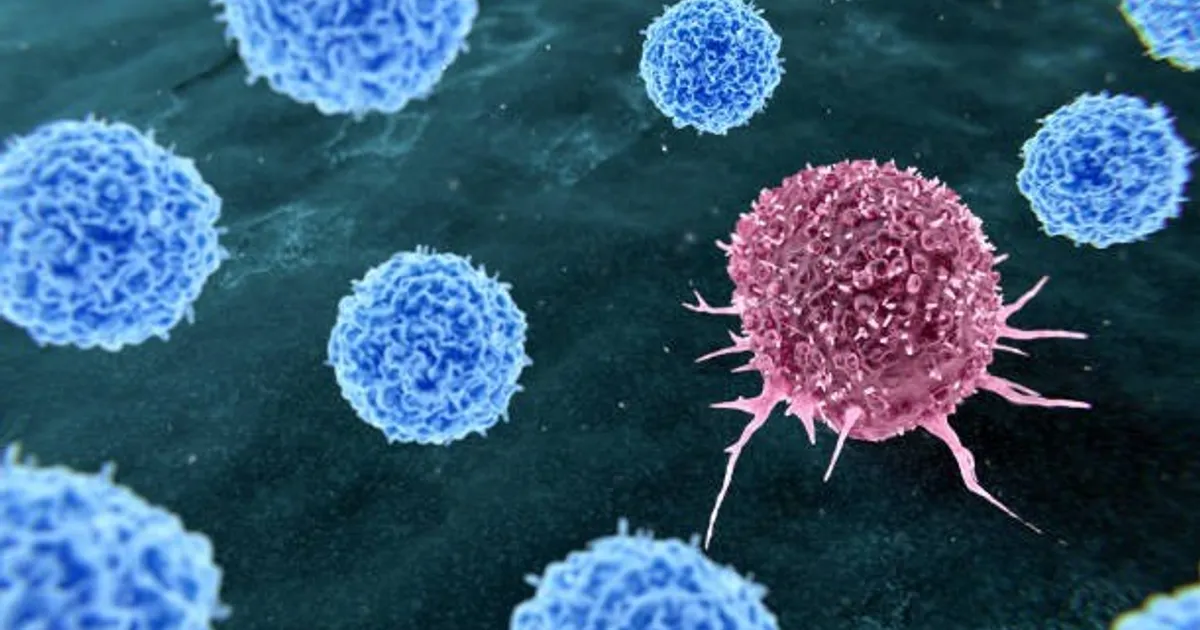
Disabling the DDX6 protein within tumors may trigger a powerful immune response by tricking the body into treating cancer cells like a viral infection, according to a study published in Science Immunology. Researchers found that removing this protein causes double-stranded RNA to accumulate, which activates the innate immune system to attack the tumor.
How does the DDX6 protein hide cancer from the immune system?
The human body uses innate immunity to detect molecular signs of viruses, such as double-stranded RNA. While some cancer cells naturally produce these molecules due to genetic instability, the DDX6 protein prevents them from accumulating to a level that would trigger an alarm.
According to the study, DDX6 binds to an enzyme called ADAR1. This interaction prevents specific modifications to RNA that would otherwise make double-stranded RNA more stable. By keeping these molecules unstable, DDX6 helps tumors avoid detection by the immune system.
What happens when DDX6 is removed from tumors?
When researchers removed the DDX6 protein from cancer cells, double-stranded RNA began to build up. This accumulation triggered the production of type I interferons, which act as warning signals to call in immune cells.
The researchers tested this mechanism in mouse models and miniature tumors derived from patient tissues. In both cases, depleting DDX6 increased the ability of immune cells to infiltrate and attack the tumors.
Why is systemic removal of DDX6 dangerous?
The protein is not only used by tumors; it serves a critical protective role in healthy cells. The study found that removing DDX6 from the entire body of mice led to widespread interferon activation.
This systemic activation caused severe inflammatory responses and resulted in early death for the mice. Researchers warned that therapeutic disruption of the protein would likely be unsafe unless it is directed specifically at cancer cells or the immediate tumor environment.
Could this lead to new cancer treatments?
Many current immunotherapies fail because some tumors are “cold,” meaning they do not attract enough immune cells or they produce signals that suppress immune activity. Researchers suggest that disabling DDX6 could turn these inactive tumors into “hot” tumors that are more visible to the immune system.

This shift may increase the effectiveness of other treatments, such as immune checkpoint inhibitors. However, the researchers noted that a ready-to-use treatment does not yet exist, as the study relied on animal models and patient-derived organoids. A precise delivery method must be developed and tested for human safety and efficacy.
Frequently Asked Questions
What is the role of the ADAR1 enzyme in this process?
ADAR1 enzymes modify double-stranded RNA to prevent the immune system from attacking the body’s own RNA. DDX6 interacts with ADAR1 to regulate the stability of these RNA molecules.
Did the study prove this works in humans?
No. The research was conducted using animal models, laboratory cell models, and organoids derived from patient tissues. Human clinical trials have not yet been performed.
What happens if DDX6 is disabled throughout the entire body?
According to the study, systemic removal in mice led to severe inflammation and premature death due to the uncontrolled activation of immune pathways.
Do you think targeted protein disruption will become a standard part of cancer care?