

TBE in Sweden: Risk Areas, Vaccination, and Prevention Guide
Between 250 and 350 people are hospitalized annually in Sweden due to Tick-borne encephalitis (TBE), according to Folkhälsomyndigheten. The virus spreads through tick bites and can cause brain inflammation. Vaccination is the primary defense for those living in or visiting high-risk regions.
TBE is a viral disease transmitted to humans via ticks. The virus resides in the tick’s salivary glands and can transfer to a human quickly upon biting. Because of this speed, infection may occur even if the tick is discovered and removed shortly after the bite, according to Folkhälsomyndigheten.
While most infected individuals experience mild symptoms and recover within a few days, some develop inflammation in the brain or meninges. These cases can become serious. There’s no specific treatment for TBE; medical care focuses on treating the symptoms.
Where are the TBE risk areas in Sweden?
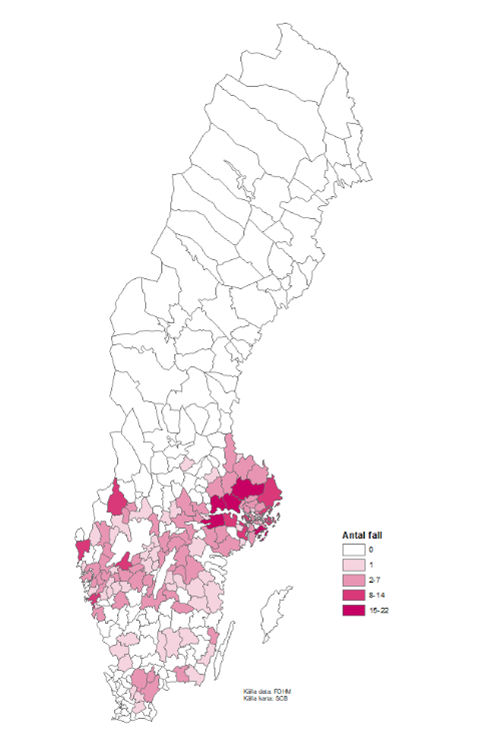
Risk levels vary across the country. Folkhälsomyndigheten categorizes regions into three levels: Risk Area 1 (moderate to high occurrence), Risk Area 2 (low occurrence), and Risk Area 3 (very low or no occurrence).
High-risk areas include entire regions such as Stockholm, Södermanland, Värmland, Västra Götaland, and Östergötland. Other high-risk municipalities are spread across several counties:
- Blekinge: Karlshamn, Karlskrona, Olofström, Ronneby, Sölvesborg.
- Dalarna: Avesta, Borlänge, Ludvika, Smedjebacken, Säter.
- Gävleborg: Bollnäs, Gävle, Hudiksvall, Söderhamn.
- Halland: Hylte, Kungsbacka, Laholm, Varberg.
- Jönköping: Aneby, Eksjö, Habo, Jönköping, Mullsjö, Nässjö, Tranås, Vaggeryd, Vetlanda, Värnamo.
- Kalmar: Hultsfred, Kalmar, Mönsterås, Oskarshamn, Vimmerby, Västervik.
- Kronoberg: Alvesta, Ljungby, Uppvidinge, Växjö.
- Skåne: Bromölla, Hässleholm, Hörby, Höör, Klippan, Kristianstad, Kävlinge, Simrishamn, Sjöbo, Vellinge, Ystad, Östra Göinge.
- Uppsala: Enköping, Heby, Håbo, Knivsta, Tierp, Uppsala, Älvkarleby, Östhammar.
- Västmanland: Arboga, Fagersta, Hallstahammar, Kungsör, Köping, Norberg, Sala, Skinnskatteberg, Västerås.
- Örebro: Askersund, Degerfors, Hallsberg, Hällefors, Karlskoga, Kumla, Laxå, Lekeberg, Lindesberg, Ljusnarsberg, Nora, Örebro.
- Gotland: Gotland.
How does the TBE vaccine work?
Vaccination is considered the best protection. Folkhälsomyndigheten recommends it for adults and children aged three and older who risk tick bites in moderate to high-risk areas. People with weakened immune systems may need vaccination even in lower-risk areas if they live in or visit those regions.
The vaccine is highly effective. About 90% of healthy people under 50 develop protection two weeks after the second dose, according to Folkhälsomyndigheten. However, two doses only provide protection for about one year.
To ensure long-term immunity, a specific schedule is required. According to 1177, most people receive three doses in the first year. For those under 50, the third dose is administered five to 12 months after the second. A fourth dose follows three years after the third, with booster shots recommended every 10 years thereafter.
After three doses, nearly 100% of vaccinated individuals are protected for at least three years. It’s important to note that the TBE vaccine does not protect against other tick-borne illnesses, such as Borrelia.
How can you reduce the risk of tick bites?
Ticks are most active during spring, summer, and autumn. They prefer humid environments with grass and shrub vegetation. Folkhälsomyndigheten suggests several steps to minimize risk:
- Wear full-coverage clothing in forests, tall grass, and shrublands.
- Tuck pant legs into socks when in tick-dense areas.
- Perform regular skin and clothing checks while outdoors.
- Conduct a full-body check after returning from nature, focusing on the scalp, behind the ears, armpits, groin, and behind the knees.
If a tick is found, it should be removed immediately using tweezers or a tick remover. The tool should grip as close to the skin as possible and pull straight out. The area should then be washed with soap and water or a disinfectant.
While insect repellents can be used, Folkhälsomyndigheten emphasizes that these products don’t provide reliable protection against tick bites.
What may happen next?
Because the virus is present in specific high-risk zones, individuals visiting these areas without vaccination may remain susceptible to infection. If behavioral prevention and vaccination rates don’t align with the presence of the virus in the listed municipalities, hospitalizations could potentially continue at current levels.
Frequently Asked Questions
Does the TBE vaccine protect against Borrelia?
No, the TBE vaccination only protects against TBE and not other tick-borne diseases like Borrelia.
Who is recommended to get the TBE vaccine?
Folkhälsomyndigheten recommends it for adults and children from age three who risk being bitten by ticks in areas where TBE occurrence is moderate or high.
Is there a specific medicine to cure TBE?
No, there is no specific treatment for TBE. Medical care is focused on treating the symptoms of the disease.
Do you check for ticks after spending time in nature?