
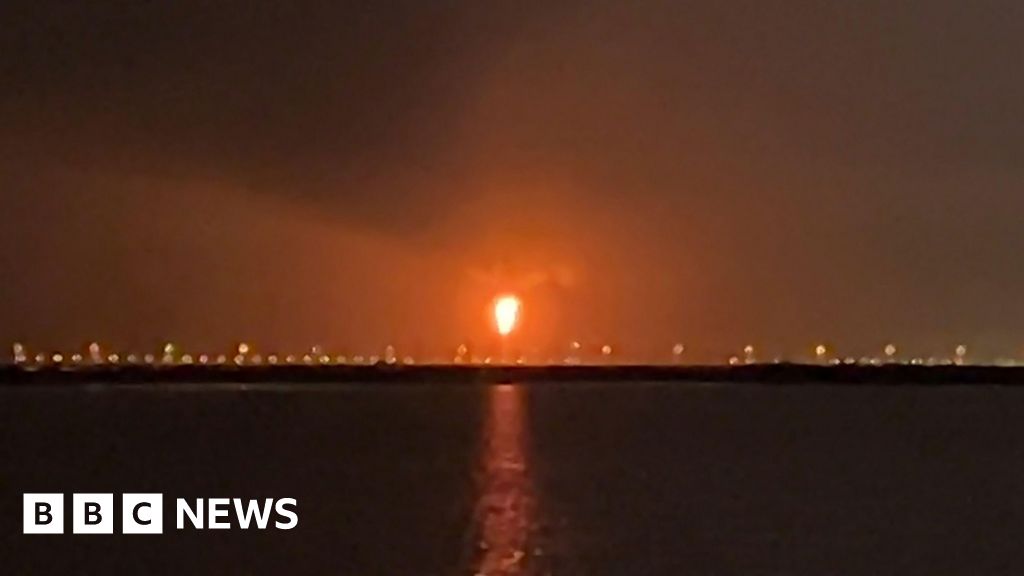
Technical Accident Reported at Ras Laffan LNG Processing Site
A technical accident at a liquified natural gas (LNG) processing site in the Ras Laffan industrial zone has prompted a review of safety protocols within Qatar’s energy infrastructure. While officials have not disclosed specific damage reports, industry analysts suggest the incident highlights the ongoing challenges of maintaining high-output facilities in a region critical to global energy security.
Why industrial incidents impact global LNG pricing
Market volatility often follows disruptions at major processing hubs like Ras Laffan. According to data from the International Energy Agency (IEA), Qatar remains one of the world’s top three LNG exporters. When a facility experiences a technical failure, supply-side uncertainty typically triggers immediate price fluctuations on the Title Transfer Facility (TTF) and other major gas benchmarks.
The Ras Laffan Industrial City is one of the largest single-site gas processing facilities globally, acting as the primary hub for the North Field expansion project.
How facility operators manage technical risks
Operators mitigate systemic failures through redundant systems and predictive maintenance schedules. Industry standards, such as those outlined by the International Group of Liquefied Natural Gas Importers (GIIGNL), emphasize that modern LNG plants utilize automated “trip” systems to shut down processing lines during a technical anomaly. This prevents the escalation of minor equipment malfunctions into major structural fires or leaks.

Comparing past incidents at other global hubs reveals that technical accidents are rarely uniform. For instance, reports from the U.S. Energy Information Administration (EIA) on domestic LNG plant shutdowns show that most disruptions are resolved within days if the issue is mechanical, whereas pipeline supply chain issues can extend outages by weeks.
What future trends exist for LNG safety?
The energy sector is moving toward “digital twins”—virtual replicas of physical plants—to predict failures before they happen. By using real-time sensor data, engineers can identify vibration or heat spikes in compressors long before a technical accident occurs. This shift toward predictive analytics is becoming a standard requirement for operators aiming to maintain operational uptime in the highly competitive LNG market.
Monitor the Energy Market Updates section of our site for weekly analysis on how regional infrastructure reports influence spot market pricing.
Frequently Asked Questions
What is the primary function of the Ras Laffan site?
Ras Laffan processes raw natural gas extracted from the North Field, converting it into liquified natural gas for transport via specialized tanker ships to global markets.
Do technical accidents lead to long-term supply shortages?
Most technical accidents are localized. Unless an incident involves critical infrastructure damage to a main liquefaction train, supply levels generally recover once the facility clears safety inspections.
How can investors track the impact of such incidents?
Investors typically track the Intercontinental Exchange (ICE) gas futures to see how market sentiment reacts to specific industrial reports from major exporters.
Stay informed on energy developments. Subscribe to our daily newsletter for breaking news on global infrastructure and market trends. Sign up here to receive updates directly to your inbox.