
Tensions Rise Between Italy and US After Trump Insults PM Giorgia Meloni
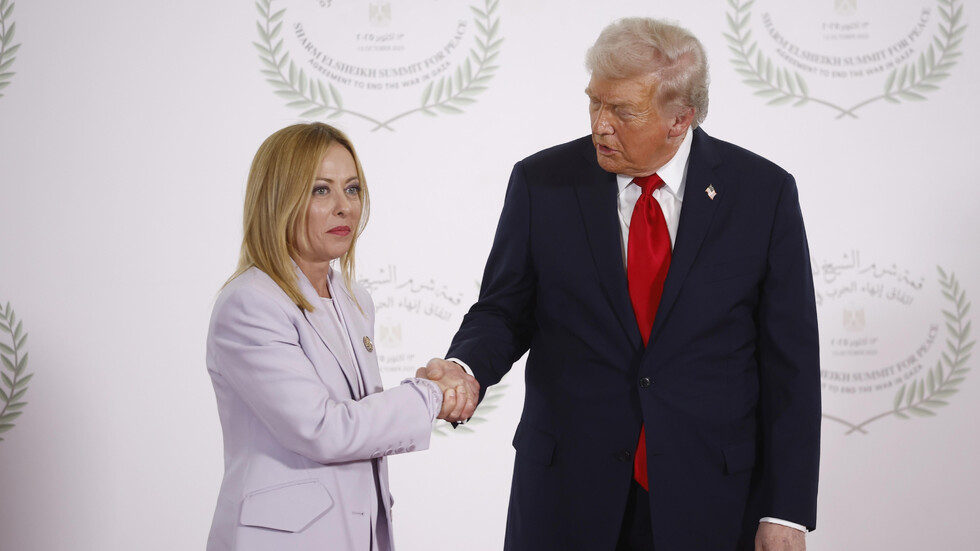
Tensions between Italy and the United States have escalated following public remarks by former U.S. President Donald Trump regarding Italian Prime Minister Giorgia Meloni. Following a G7 summit, Trump claimed that Meloni had requested a photo with him, stating, “She was begging me for a picture. I felt sorry for her.” The Italian government has flatly rejected these assertions, with Prime Minister Meloni labeling them “completely fabricated” in a video statement. The incident has prompted Italian Foreign Minister Antonio Tajani to cancel a scheduled visit to the U.S., citing the comments as an affront to Italy’s national dignity.
Why did the Italian government cancel the diplomatic visit?
Foreign Minister Antonio Tajani officially canceled his planned June 21–22 visit to the United States in direct response to Trump’s comments. In a post on the platform X, Tajani stated that the “serious and offensive words” directed at Prime Minister Meloni insulted the entire nation of Italy. According to Tajani, no entity, regardless of existing alliance structures, has the right to humiliate Italy. This diplomatic snub serves as a rare public rebuke between the two nations, signaling a cooling of bilateral relations following the exchange.
Diplomatic protocol dictates that heads of state meetings at forums like the G7 are typically coordinated by staff. Public claims regarding unsolicited requests for photos are highly unusual in high-level international diplomacy and rarely verified by official channels.
How are Italian political figures responding to the claims?
The backlash has crossed party lines within Italy, with various political leaders condemning the rhetoric used by the American president. Giovanbattista Fazzolari, a state secretary in the Prime Minister’s office, characterized the comments as part of a broader pattern of attacks against European leaders. Fazzolari argued that such remarks damage the standing of the United States across Europe. Giuseppe Conte, leader of the Five Star Movement, echoed these concerns, calling the tone “completely unacceptable” for an allied country. Carlo Calenda, leader of the Azione party, publicly dismissed the narrative that Meloni had requested any favors, framing the insult as a matter of national dignity.
What is the impact on future U.S.-EU relations?
The incident highlights the volatile nature of transatlantic bridges that leaders like Meloni have sought to build between the U.S. and the European Union. While Meloni has previously attempted to foster ties with conservative figures in the U.S., this friction suggests that interpersonal dynamics can quickly override strategic political alignment. According to Fazzolari, these rhetorical choices risk making the U.S. increasingly unpopular in Europe, potentially undermining the shared interests that traditionally bind the two regions.

When tracking international diplomatic relations, look beyond official press releases. Statements posted by ministers on social media platforms like X often provide the most immediate, unfiltered insight into the current state of bilateral alliances.
Frequently Asked Questions
- Did Prime Minister Meloni respond to the claims? Yes. She issued a video statement denying the claims, calling them “completely fabricated” and expressing shock at the remarks.
- What is the status of the U.S.-Italy diplomatic meetings? The visit scheduled for June 21 and 22 by Foreign Minister Antonio Tajani was canceled as a direct consequence of the incident.
- Is this a bipartisan issue in Italy? Yes. Leaders from multiple political factions, including the Five Star Movement and Azione, have joined the government in condemning the comments.
Stay informed on the latest developments in international diplomacy. Subscribe to our newsletter for deep-dive analysis on global political trends or explore our archives for more reports on EU-U.S. relations.