
Terrasse-Vaudreuil Grants Trees Legal Rights as First Canadian Municipality to Adopt Tree Rights Declaration
What Inspired Terrasse-Vaudreuil’s Tree Rights Resolution?
A small Canadian municipality has taken a groundbreaking step by granting trees legal rights, marking a shift in environmental policy. On June 9, the council of Terrasse-Vaudreuil, a village of 2,000 residents in Quebec, passed a resolution recognizing trees as living beings with rights to life, growth, integrity, and regeneration. The move, supported unanimously by council members, follows a campaign led by local leader Michel Bourdeau, who credited filmmaker André Desrochers’ documentary *Des arbres et des arts* (Trees and Arts) for reshaping public perception.
According to Bourdeau, the film convinced residents that trees “breathe, live, and communicate through root systems,” framing them as “a true green infrastructure” essential for combating climate change. The resolution now requires the municipality to review local regulations to protect trees, including potential replacements for those cut down.
How Does This Resolution Compare to Global Trends?
Terrasse-Vaudreuil’s decision aligns with a growing international movement recognizing nature’s legal rights. The International Observatory of Nature’s Rights (ION) highlighted that the village is the first in Quebec and Canada to adopt the Universal Declaration of Tree Rights, an initiative backed by ecological groups. The declaration asserts that trees are “living beings and a common good of humanity,” emphasizing their role in sustaining life and biodiversity.
Similar efforts have emerged globally. In 2021, the Magpie River in Quebec gained legal rights, and Indigenous communities in Canada have advocated for nature’s personhood. Yenny Vega Cárdenas, ION’s president, noted that the tree rights framework is unique because it acknowledges individual trees as ecosystems, providing habitat and resources for other species.
What Are the Legal and Environmental Implications?

The resolution mandates that Terrasse-Vaudreuil revise its zoning laws to prioritize tree protection. Bourdeau emphasized that the policy will focus on increasing urban tree cover, including offering trees to residents for planting. “Trees reduce urban heat islands, improve air quality, and protect biodiversity,” he said.
Legal experts view the move as a symbolic yet significant step. Karine Peloffy, a lawyer with Ecojustice, argued that if corporations can have legal personhood, “why not trees?” She pointed out that the decision reflects a broader push to reclassify nature as a rights-bearing entity rather than a resource.
Why Is This a Precedent for Climate Action?
The resolution comes as Terrasse-Vaudreuil grapples with climate impacts, including repeated flooding in recent years. Bourdeau linked the policy to the community’s resilience, stating, “Our greatest ally against climate change is trees.” The village’s location within a forest and its rural lifestyle further underscore its commitment to environmental stewardship.
Globally, cities like New Zealand and Colombia have granted legal rights to rivers, but Terrasse-Vaudreuil’s focus on individual trees sets it apart. Vega Cárdenas noted that the approach “challenges the notion that trees are passive objects,” highlighting their role in ecological networks.
What Challenges Might This Policy Face?
Despite widespread support, the policy’s implementation could face hurdles. Bourdeau acknowledged concerns about balancing tree protection with urban development but noted the village has no vacant land for construction. Still, critics may question how local governments can enforce tree rights without conflicting with economic interests.
Legal precedents, such as the Magpie River’s rights, offer a framework, but experts say the success of Terrasse-Vaudreuil’s model will depend on public engagement and adaptive governance.
How Can Other Communities Follow This Example?
The village’s approach could inspire similar initiatives worldwide. Peloffy suggested that local governments adopt “tree protection ordinances” and educate residents on the ecological value of trees. She also pointed to the role of media in shaping attitudes, citing Desrochers’ film as a catalyst for change.
Communities interested in similar policies might start by assessing their tree canopy coverage and engaging with ecological organizations. Bourdeau’s emphasis on “fraternity and solidarity” with nature could serve as a guiding principle for future efforts.
FAQ: Understanding Tree Rights and Their Impact
What are the key rights granted to trees in Terrasse-Vaudreuil?
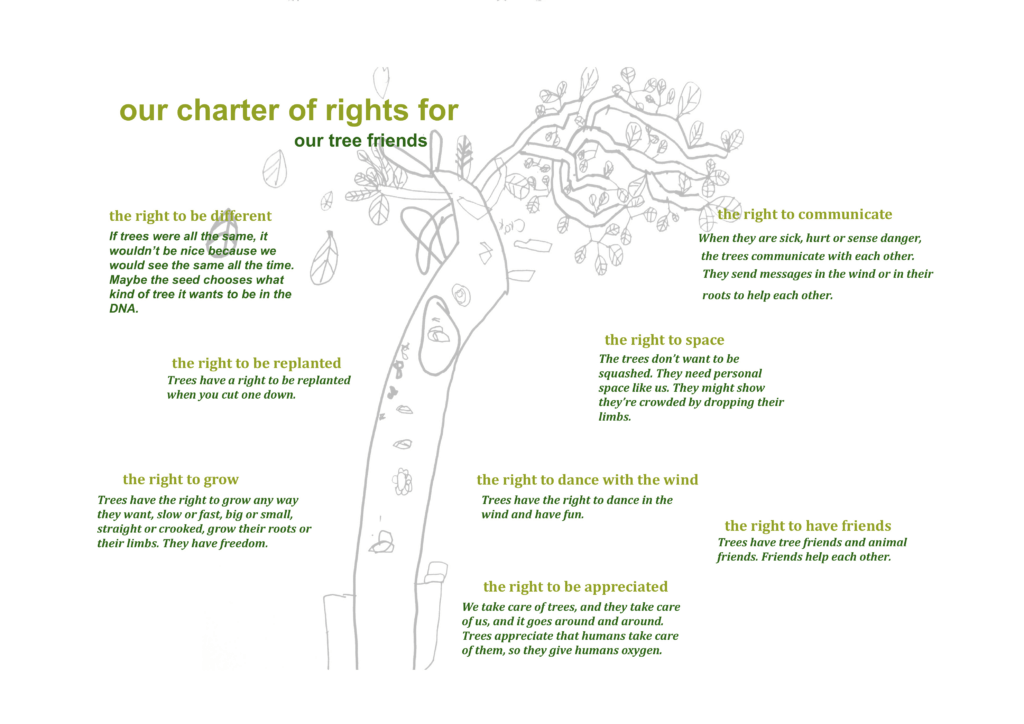
The resolution recognizes trees’ rights to life, natural growth, integrity, and regeneration. These rights aim to ensure trees are protected from arbitrary destruction and promoted as essential ecological assets.
How does this policy affect local development?
The village has no available land for new construction, reducing potential conflicts. However, the policy may require developers to offset tree losses by planting new ones, aligning with broader environmental goals.
What role did the film *Des arbres et des arts* play?
Directed by André Desrochers, the documentary framed trees as sentient beings capable of communication, influencing public opinion and prompting the council’s decision.
Did You Know?
Terrasse-Vaudreuil’s resolution is part of a global trend. In 2017, New Zealand granted legal personhood to the Whanganui River, while Colombia’s Supreme Court recognized the Amazon rainforest as a “subject of rights.”
Pro Tips for Engaging with Tree Rights Initiatives
1. Educate Yourself: Explore documentaries like *Des arbres et des arts* to understand trees’ ecological roles.
2. Advocate Locally: Contact municipal leaders to discuss tree protection policies in your area.
3. Participate in Planting Drives: Join community efforts to increase urban tree cover.
Call to Action
As climate challenges intensify, policies like Terrasse-Vaudreuil’s offer a blueprint for rethinking humanity’s relationship with nature. Share your thoughts on tree rights in the comments below, and explore our archive for more insights on environmental innovation. Subscribe to our newsletter for updates on global sustainability efforts.