

Texas app age verification law can go into effect for now
The End of the ‘Honor System’: The Rise of Hard Age Verification
For decades, the “Are you 18?” checkbox has been the gold standard of digital age gating. It was a polite fiction—a thin veil of compliance that neither the user nor the platform ever truly questioned. But the tide is turning.
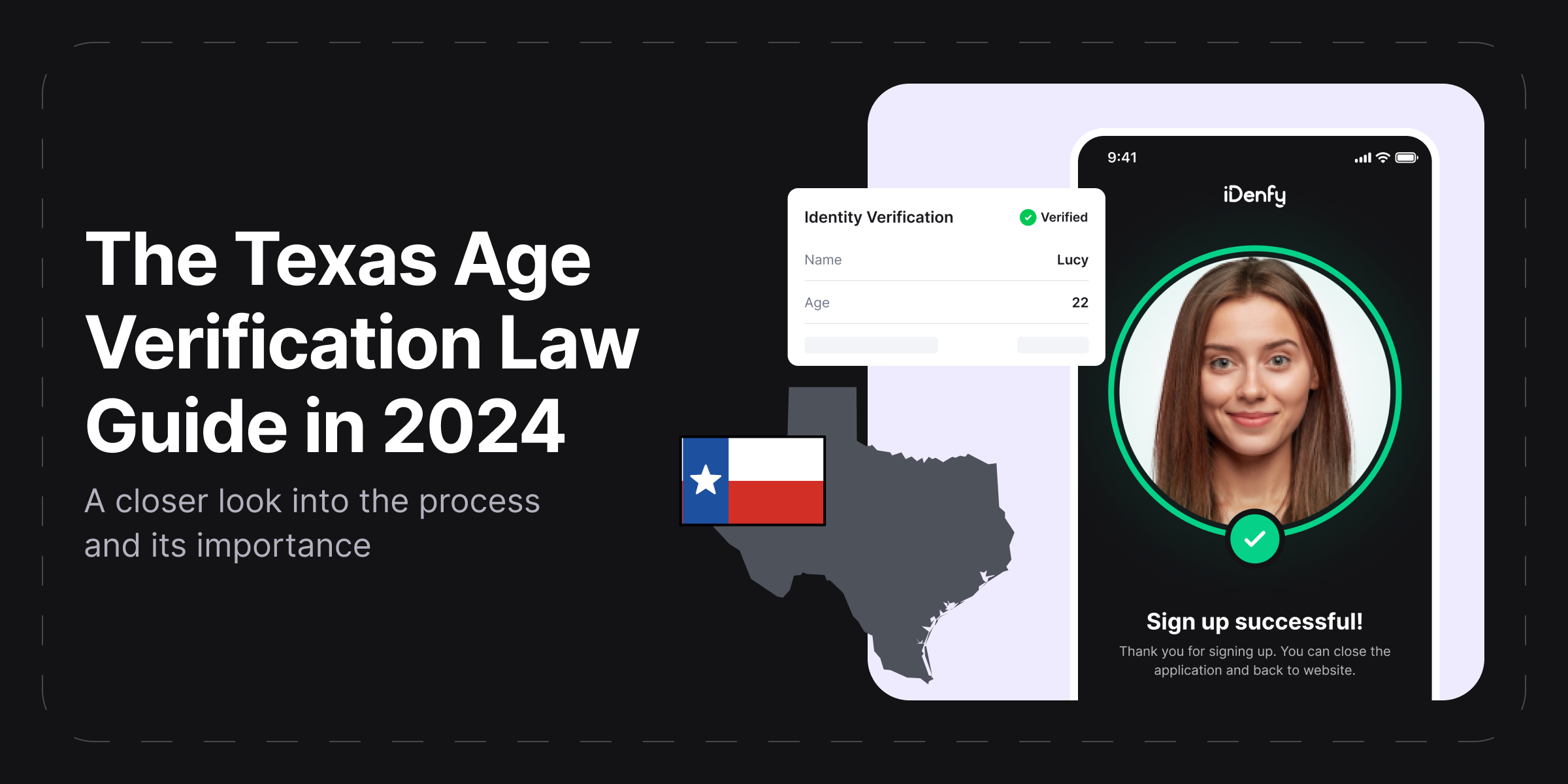
Recent legislative pushes, like those seen in Texas and other US states, signal a shift toward “hard” age verification. We are moving toward a future where downloading an app or making an in-app purchase requires more than a click; it requires a government-issued ID, a biometric scan, or a verified parental digital signature.
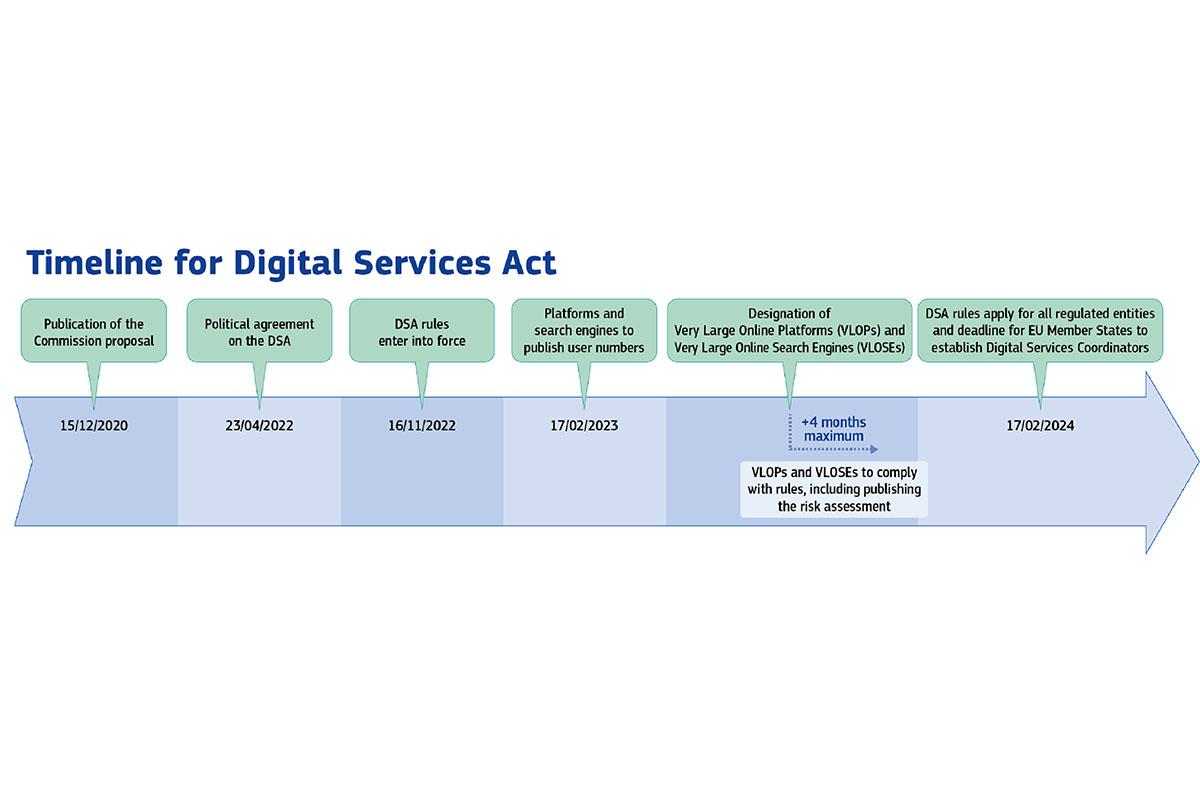
This isn’t just a local trend. Globally, we are seeing a mirrored approach. The UK’s Online Safety Act and the EU’s Digital Services Act are pushing platforms to implement more robust systems to protect minors from harmful content.
The Privacy Paradox: Safety vs. Surveillance
The core of the debate isn’t whether children should be safe—everyone agrees they should. The real friction lies in the privacy trade-off. To prove a user is a minor (or an adult), platforms must collect highly sensitive data.
When a state mandates age verification, it essentially forces millions of citizens to upload passports or driver’s licenses to private corporations. This creates a honeypot for hackers and raises significant concerns about data persistence. If a tech giant is breached, the leak isn’t just an email address; it’s a government ID.
Critics, including digital rights groups like the Electronic Frontier Foundation (EFF), argue that this creates a “surveillance state” architecture under the guise of child protection.
The Rise of Zero-Knowledge Proofs
To solve this, the industry is looking toward Zero-Knowledge Proofs (ZKPs). This cryptographic method allows a user to prove they are over 18 without actually revealing their birth date or identity to the app provider. In the future, you might use a third-party “identity vault” that simply tells the app, “Yes, this person is verified,” without sharing the underlying data.
A Fragmented Internet: The ‘Splinternet’ of State Laws
One of the most concerning trends for developers is the “balkanization” of the app marketplace. When Texas, Utah, and Louisiana pass differing versions of age-verification laws, app stores like Google Play and Apple App Store face a logistical nightmare.
Do they implement the strictest law across the entire country to simplify operations? Or do they geo-fence their services, offering a different version of the store for Texas residents than for New Yorkers? This leads to a “Splinternet,” where your digital rights and access to information depend entirely on your zip code.
This fragmentation can stifle innovation. Small developers may find the cost of compliance—integrating complex verification APIs and managing parental consent workflows—too high, leading them to pull their apps from specific state markets entirely.
Impact on Marginalized Youth
We must also consider the “access gap.” Not every teenager has a government-issued ID or a supportive parent willing to navigate a digital consent portal. For many youth in unstable housing or marginalized communities, these laws could inadvertently cut off access to critical educational tools, mental health resources, and community support networks.
FAQ: Understanding the Future of Digital Age Gating
Will I have to upload my ID to download every app?
Not necessarily. While some laws push for this, the industry is moving toward centralized verification hubs or biometric estimation to avoid repetitive ID uploads.

Does this violate the First Amendment?
This is the central legal battle. Courts are currently weighing the state’s interest in protecting children against the individual’s right to access information without government-mandated surveillance.
How does this affect in-app purchases?
Future trends suggest a “hard lock” on payment gateways for minors, requiring a secondary authorization from a verified adult account before any transaction can be processed.
Join the Conversation
Do you think age verification is a necessary step for child safety, or a dangerous step toward the end of online anonymity?
Share your thoughts in the comments below or subscribe to our newsletter for the latest updates on digital rights and tech regulation.
For more insights on the intersection of law and technology, explore our latest guides on Digital Privacy and The Future of Social Media.