

Tezepelumab reduces steroid dependence in severe asthma patients
New results from the Phase 3 SUNRISE clinical trial indicate that tezepelumab significantly reduces the requirement for long-term oral corticosteroid use in adults suffering from severe, corticosteroid-dependent asthma. The study found that patients were able to lower their steroid intake while maintaining asthma control and improving key clinical outcomes.
Breaking the Cycle of Steroid Dependence
The multicenter, double-blind, placebo-controlled study focused on adults with severe asthma who required daily oral corticosteroids despite already using high-dose inhaled therapies.
Findings published in The Lancet Respiratory Medicine reveal that patients treated with tezepelumab were nearly three times more likely to achieve greater reductions in their daily oral corticosteroid dose than those in the placebo group.
Clinical Outcomes and Statistics
Over the course of 28 weeks, 69% of patients receiving tezepelumab achieved at least a 50% reduction in their oral corticosteroid dose. In comparison, only 44% of patients receiving the placebo achieved the same level of reduction.
These results suggest a significant improvement in the ability of severe asthma patients to manage their condition with fewer systemic steroids.
The Significance of Reducing Steroid Use
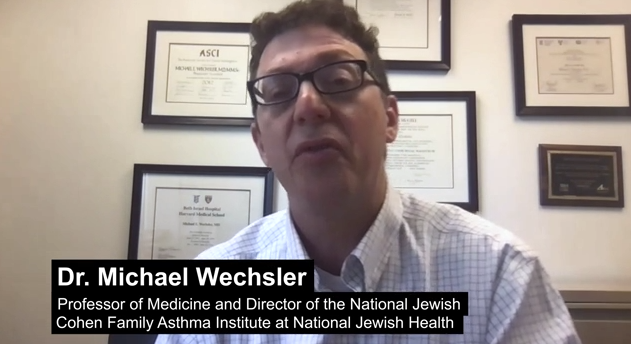
Reducing dependence on oral corticosteroids is critical due to the severe health risks associated with long-term use. According to Michael Wechsler, MD, director of the Cohen Family Asthma Institute at National Jewish Health, these medications can lead to devastating consequences.
Specific risks associated with prolonged oral corticosteroid use include the development of diabetes, osteoporosis, and cardiovascular disease, all of which significantly impact a patient’s overall quality of life.
Potential Future Implications
Given these results, tezepelumab could become a primary consideration for clinicians treating adults who are currently dependent on oral corticosteroids. This shift may lead to a decrease in the incidence of steroid-induced complications in severe asthma populations.
Future clinical applications may focus on how this reduction in steroid use affects long-term patient wellness and the overall management of severe respiratory diseases. More information can be found via the study’s DOI: 10.1016/s2213-2600(26)00076-7.
Frequently Asked Questions
Who was eligible for the SUNRISE clinical trial?
The trial evaluated adults with severe asthma who relied on daily oral corticosteroids despite being treated with high-dose inhaled therapies.
What are the dangers of long-term oral corticosteroid use?
Long-term use can lead to serious health issues, including cardiovascular disease, osteoporosis, and diabetes, while also negatively impacting the patient’s quality of life.
How effective was tezepelumab in reducing steroid doses?
69% of patients using tezepelumab achieved a reduction of at least 50% in their oral corticosteroid dose, and 35% were able to stop using them entirely.
How do you think reducing reliance on long-term medications could change the daily lives of those managing chronic health conditions?