
Thai Silk: A Cultural Ambassador Promoting Diplomacy and Tradition
Thailand is positioning its traditional silk industry as a cornerstone of its international soft power strategy, utilizing high-profile cultural diplomacy to strengthen global ties. The annual event, which has been held since 2019, serves as a platform for cultural exchange and artistic expression, recently gaining momentum through state-backed initiatives that bridge traditional heritage with modern fashion trends.
The Diplomatic Role of Thai Silk
Thai Prime Minister Anutin Charnvirakul has officially designated the promotion of silk as a primary diplomatic tool, describing the fabric as a cultural ambassador that connects Thailand to the global community. The event holds particular significance this year, as it coincides with the 48th birthday of Queen Suthida, honoring her ongoing commitment to the preservation of traditional cultural values.

The government is actively pushing for 2026 to be recognized as the “golden year” of Thai silk. This ambition is supported by the royal initiative “Thai Fabrics: How to Wear Them with Style,” which has successfully increased the popularity of traditional textiles among younger generations.
Cultural Exchange and Global Representation
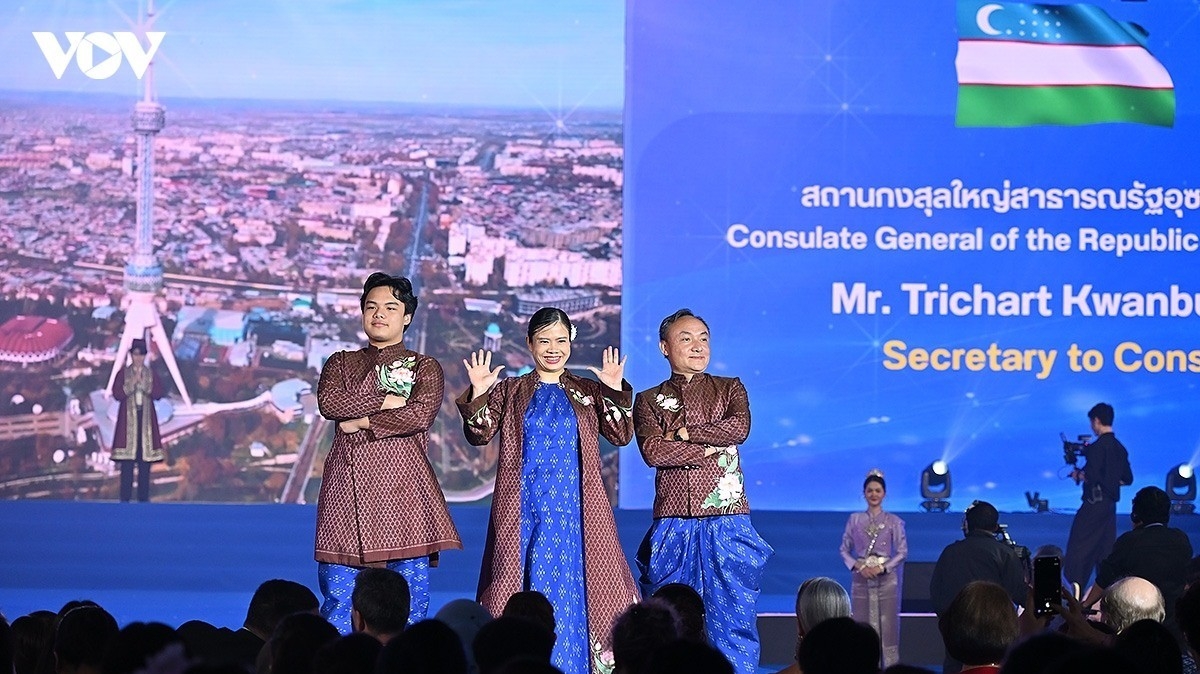
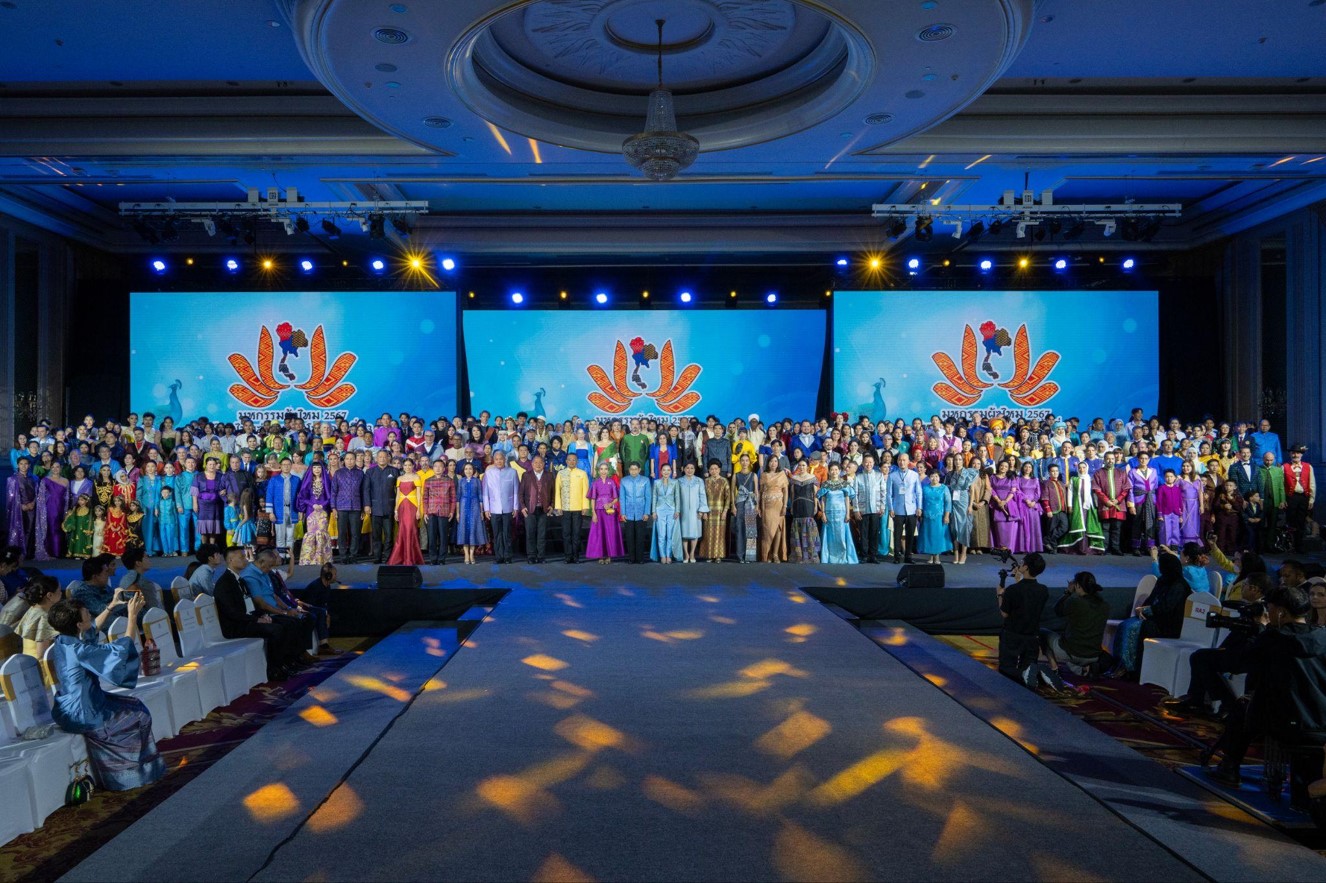
The program’s centerpiece was a fashion show featuring government officials and diplomats, showcasing the versatility of Thai silk on an international stage. A notable entry included the delegation from the Embassy of Vietnam in Thailand, led by Counselor Hoang Diem Hanh.
The Vietnamese team presented a design created by the University of Ubon Ratchathani, which cleverly blended the traditional Vietnamese ao dai with Thai silk. According to Counselor Hoang Diem Hanh, the attire was inspired by the national flower of Vietnam, the lotus, representing a synthesis of cultural aesthetics between the two nations.
Future Outlook for the Industry
Looking ahead, the continued success of the “Young Silk Talent Search” suggests that Thailand is prioritizing the sustainability of its textile industry by fostering a new generation of artisans. The integration of tourism promotion with these cultural showcases indicates that the government may continue to leverage these platforms to drive both interest in local craftsmanship and international visitor numbers.
Analysts expect that if current trends hold, the popularity of traditional garments among youth will likely provide a stable domestic market, while the continued hosting of international fashion events could solidify the country’s reputation as a leader in cultural diplomacy and textile arts.
Frequently Asked Questions
What is the primary objective of the annual Thai silk program?
The program aims to bring Thai silk closer to the international community while fostering cultural understanding and exchange through art, according to Minister of Culture Sabeeda Thaised.
Why is the 2026 outlook for Thai silk considered significant?
Prime Minister Anutin Charnvirakul has suggested 2026 could be the “golden year” for the industry, driven by rising popularity among youth due to the royal “Thai Fabrics: How to Wear Them with Style” initiative.
How was Vietnam represented at the event?
Counselor Hoang Diem Hanh and her family participated in the fashion show wearing designs inspired by the Vietnamese lotus, which combined the traditional ao dai style with Thai silk.
How do you think fashion can effectively serve as a bridge for international diplomacy?