

Thailand Landbridge Project: Economic Potential and Political Debate
The Thai Parliament has voted to reject a motion to establish an extraordinary committee tasked with studying the Land Bridge project. The proposed committee was intended to analyze the project and submit formal recommendations to the Cabinet for further consideration.
Political Divide Over Southern Economic Development
The decision to block the committee has highlighted a sharp divide among political figures regarding the Southern Economic Corridor. Opponents of the current approach argue that a deeper study is necessary to ensure the project’s viability.
Abhisit cited five specific reasons why the committee should have been established, asserting that the Land Bridge project may not be cost-effective. He further questioned the potential risks by asking if the government wanted the region to mirror the situation in “Hormuz.”
Concerns Over Local Impact
Beyond the financial feasibility, some leaders have warned against the strategic framing of the project. “Teng” cautioned the government against viewing Southern Thailand merely as a transit point for global goods.
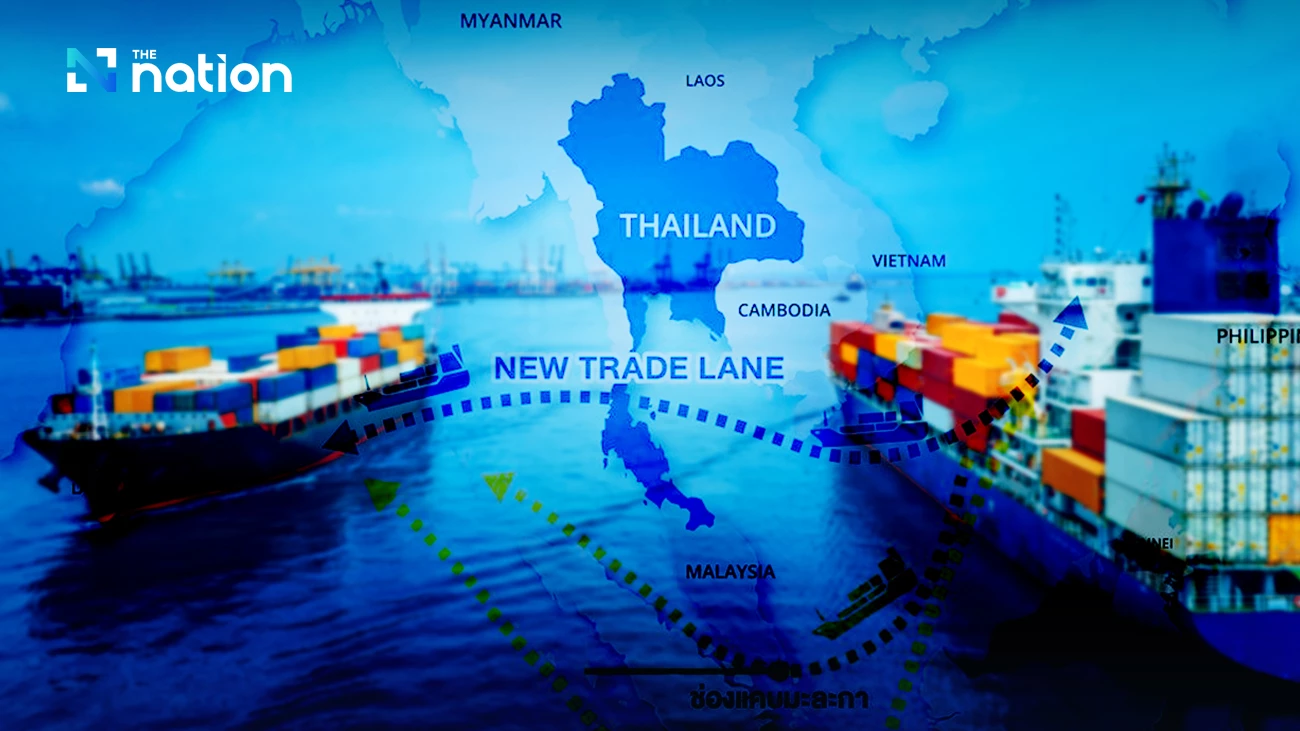
This perspective suggests that the project should provide more than just logistical passage, emphasizing the need for sustainable development that benefits the local population rather than serving only as a corridor for international trade.
Economic Ambitions and Logistics
Despite the opposition, supporters like Peerapat continue to champion the Land Bridge as a pivotal opportunity. He argues that the project is a key step for Thailand to elevate its status to an ASEAN logistics hub.
The vision presented by supporters focuses on the potential for massive job creation and a significant boost to the national economy through enhanced shipping and transport infrastructure.
Potential Future Scenarios
Following the Parliament’s vote, the government may proceed with the Land Bridge project based on its own internal assessments without the oversight of an extraordinary committee.
Alternatively, persistent pressure from opposition figures could lead to new demands for transparency or modified project scopes. The project’s progress is likely to depend on how the government addresses the concerns regarding cost-effectiveness and the “transit point” narrative.
Frequently Asked Questions
What was the result of the Parliamentary vote regarding the Land Bridge?
The Parliament voted to reject the motion to establish an extraordinary committee to study the Land Bridge project and provide recommendations to the Cabinet.
What are the projected economic benefits of the Land Bridge?
According to Peerapat, the project could help Thailand become an ASEAN logistics hub, create 280,000 jobs, and increase the GDP by 1.5% per year.
What are the main arguments against the project?
Critics, including Abhisit and Teng, have argued that the project may not be cost-effective and warned against treating the Southern region as nothing more than a transit point for global merchandise.
Do you believe large-scale infrastructure projects should be prioritized for national GDP growth or for local community development?