
%20(1).jpg "The A.I.-Design Aesthetic That’s Taking Over the Internet")
The A.I.-Design Aesthetic That’s Taking Over the Internet
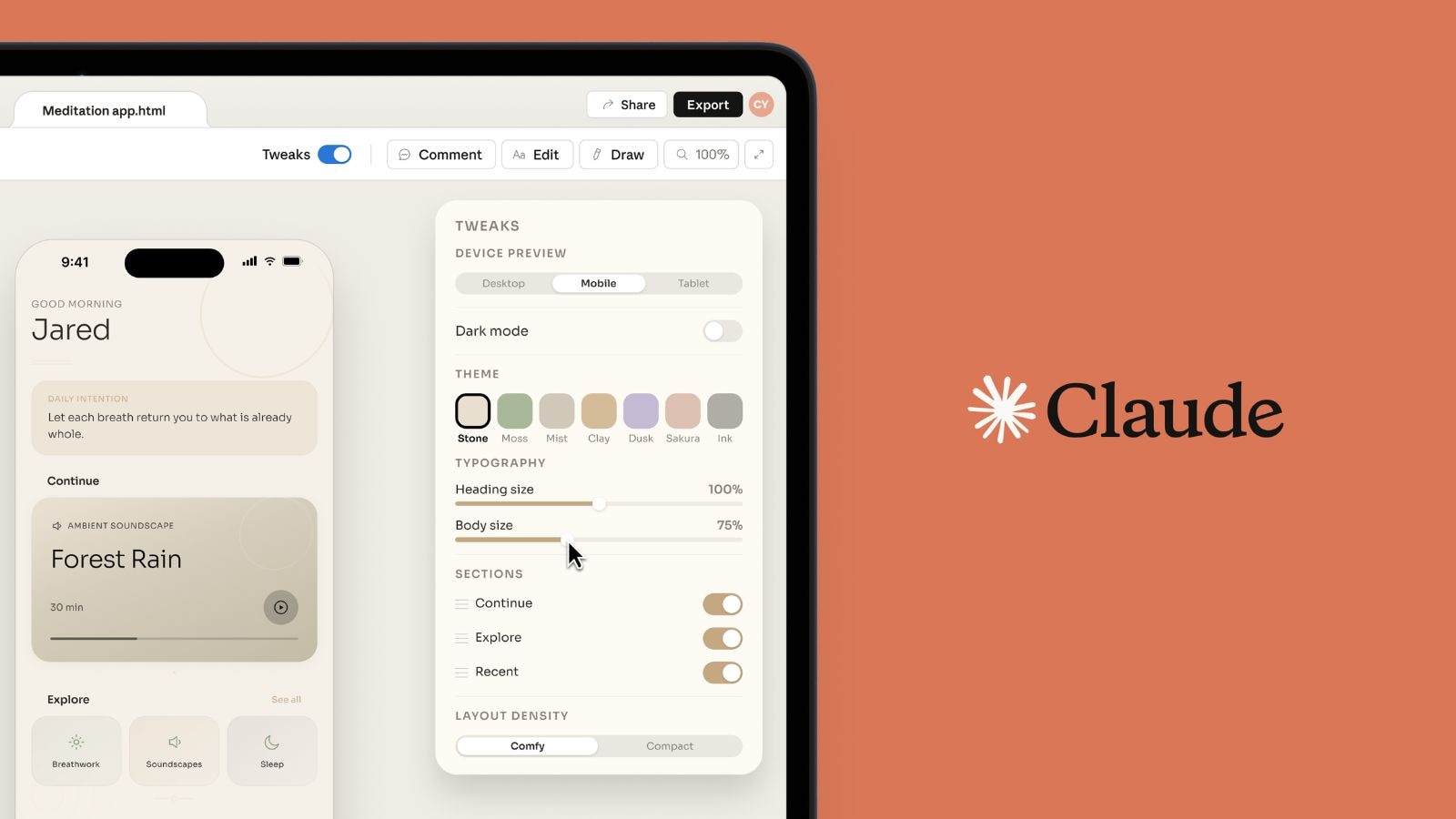
The rise of automated design tools like Anthropic’s Claude Design is creating a standardized aesthetic across the digital landscape, characterized by cream-colored backgrounds, serif typography, and specific, recurring interface elements. Independent designers, including Matt Ström-Awn and Celine Nguyen, report that these tools prioritize a “default house style” that makes diverse brands appear functionally identical. While this efficiency accelerates production for startups, industry observers warn it risks creating a “genericism” similar to the uniform look that defined early web templates or mass-manufactured goods.
Why does AI-generated design look so similar?
AI tools like Claude Design struggle to deviate from their internal training data, which inherently favors the branding aesthetics of their creators. According to internal guidance documents from Anthropic, the model possesses “strong design instincts” and a “persistent” default style that mirrors the company’s own branding—specifically its preference for off-red highlights and beige backgrounds. Designer Matt Ström-Awn noted that users often find it difficult to force the tool to produce visuals that stray from this formula, as the program’s preferences are “deeply baked into its machinery.” Anthropic has acknowledged these limitations, with a spokesperson stating that the company is working to improve the tool’s ability to deviate from standard templates when requested.
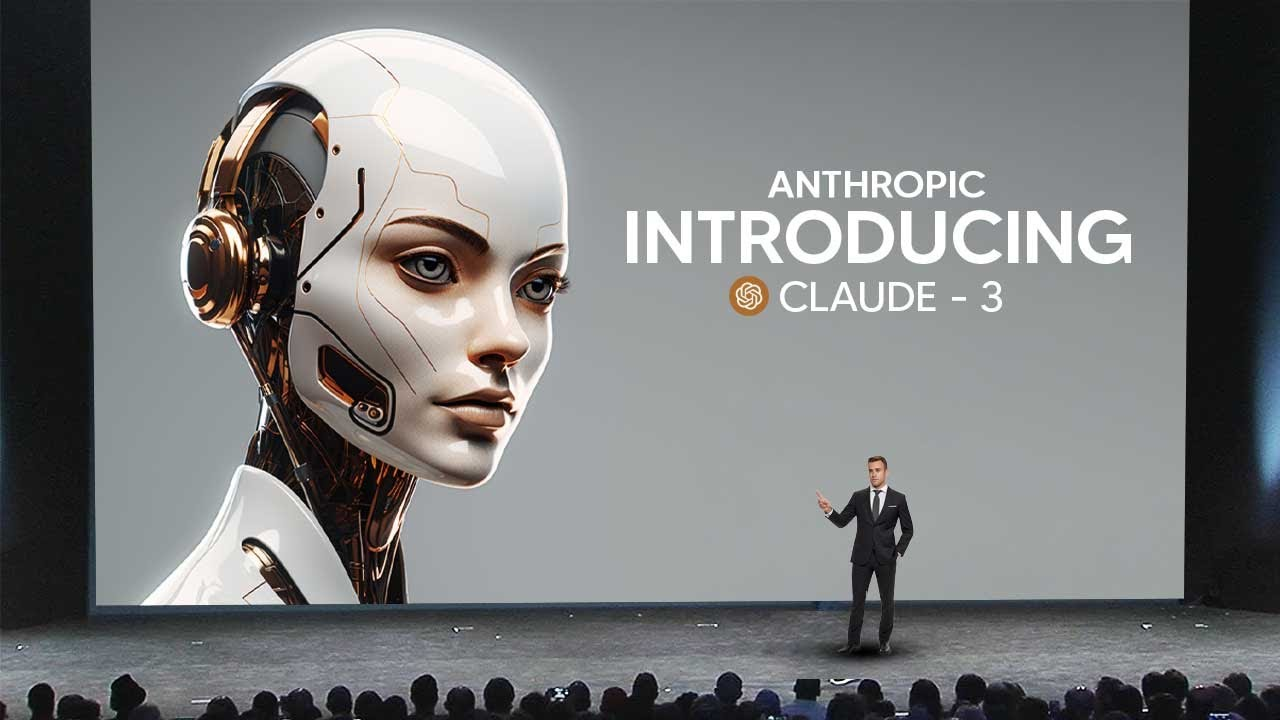
The visual “tells” of AI-generated software—such as high-contrast indicators, overuse of dots, and specific serif fonts—have been compared by software engineer Lucas Gelfond to the “seams” left by injection-molded plastic during the Industrial Revolution. Both are signatures of automated production processes.
How does the “Claudian sameness” impact brand identity?
The prevalence of these design tropes threatens to erode the unique visual identity of companies that rely heavily on AI for their web and marketing assets. Designers like Celine Nguyen have observed that warm-toned palettes and mid-century modernist cues, once considered tasteful, are becoming “instant design clichés” due to their ubiquity. Companies such as Newsletrix, GrassDX, and DeployGraph have already seen their web interfaces adopt this shared aesthetic. When brands use the same underlying libraries—such as Shadcn UI or Radix UI—they inadvertently adopt a “Claudian sameness” that makes them indistinguishable from competitors, potentially damaging their ability to stand out in a crowded market.

What are the future trends for AI-driven aesthetics?
The future of AI-assisted design will likely be defined by a tension between the convenience of automated templates and the necessity of human-led customization. As the market matures, designers expect a “correction” where brands prioritize bespoke elements to avoid the generic look of AI-native sites. Historically, the internet has moved from the rigid, basic palettes of the dial-up era to the standardized, full-bleed imagery of platforms like Squarespace and Wix. Industry analysts suggest that the current “AI look” is simply the next iteration of this cycle. Designers who want to avoid this trap will need to treat AI as a starting point rather than a final product, manually overriding the “default” settings to inject brand-specific character.
Pro Tip: Avoiding the AI Aesthetic
To avoid the “generic” trap, designers should treat AI outputs as wireframes rather than finished assets. Manually adjust typography, introduce custom color palettes that fall outside the model’s standard training, and avoid reliance on pre-packaged component libraries to ensure your brand retains a distinct visual voice.
Frequently Asked Questions
- Is the “AI look” limited to Claude Design?
- No. Similar to how early website-building services like WordPress created a recognizable “template” look, many large language models and design AI tools rely on specific training data that favors consistent, safe, and easily reproducible aesthetics.
- Can I change the style of AI-generated designs?
- Yes, but it requires active effort. According to Anthropic, users must provide specific, non-generic instructions to prevent the model from defaulting to its preferred palette. However, users often report that the model struggles to consistently override these deep-seated design preferences.
- Why do companies use these tools despite the lack of originality?
- Speed and cost. For early-stage startups, the ability to generate a functional sales deck or website interface in minutes offers a significant competitive advantage in terms of time-to-market, even if the resulting design is not entirely unique.
Have you noticed the “Claudian sameness” in your industry? Share your experiences in the comments below or subscribe to our design newsletter for more updates on the intersection of AI and visual identity.