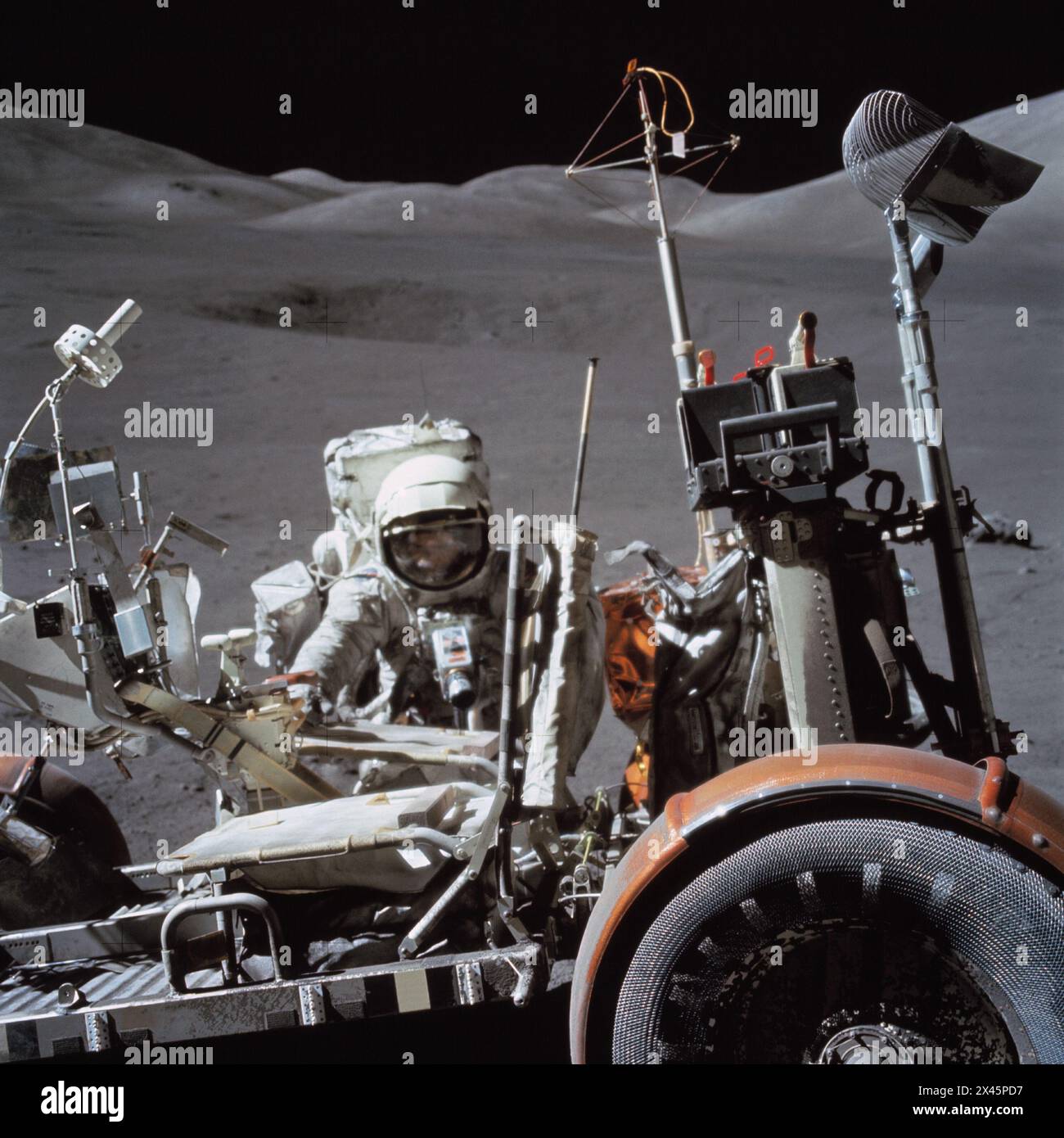
The Apollo astronauts who carried lunar dust back into the cabin kept making the same strange report – fresh Moon dust smelled like spent gunpowder – yet the smell never survived the trip home, and more than fifty years later no one has fully explained what they were breathing in up there.
Apollo astronauts consistently reported that lunar dust smelled like spent gunpowder upon entering their spacecraft, a phenomenon that vanished by the time samples reached Earth laboratories. According to NASA, this “lunar hay fever” effect likely results from the oxidation of highly reactive, “dangling” chemical bonds on the surface of dust grains when exposed to oxygen for the first time. While the smell itself is a chemical curiosity, the reactivity of this dust poses a significant engineering challenge for the upcoming Artemis missions and long-term lunar surface operations.
Why Did the Smell Vanish Before Reaching Earth?
The gunpowder odor was a one-time reaction that could not be preserved for study. NASA geologist Gary Lofgren, who handled lunar samples at the Johnson Space Center in Houston, confirmed that the rocks do not possess this scent in a laboratory environment. Researchers believe the dust was “pacified” during the initial flight back to Earth. Once the reactive, raw surfaces of the lunar dust encountered the oxygen and moisture inside the Apollo cabin, the chemical reaction—essentially a slow form of burning—was completed. Because this process requires a pristine, unoxidized surface, it is impossible to replicate or “bottle” the smell once the dust has been exposed to an atmosphere.

Apollo 17 geologist Harrison Schmitt noted that the smell of spent gunpowder did not manifest immediately; it took approximately seven minutes after the lander began repressurization for the scent to become noticeable to the crew.
What Makes Lunar Dust Chemically Dangerous?
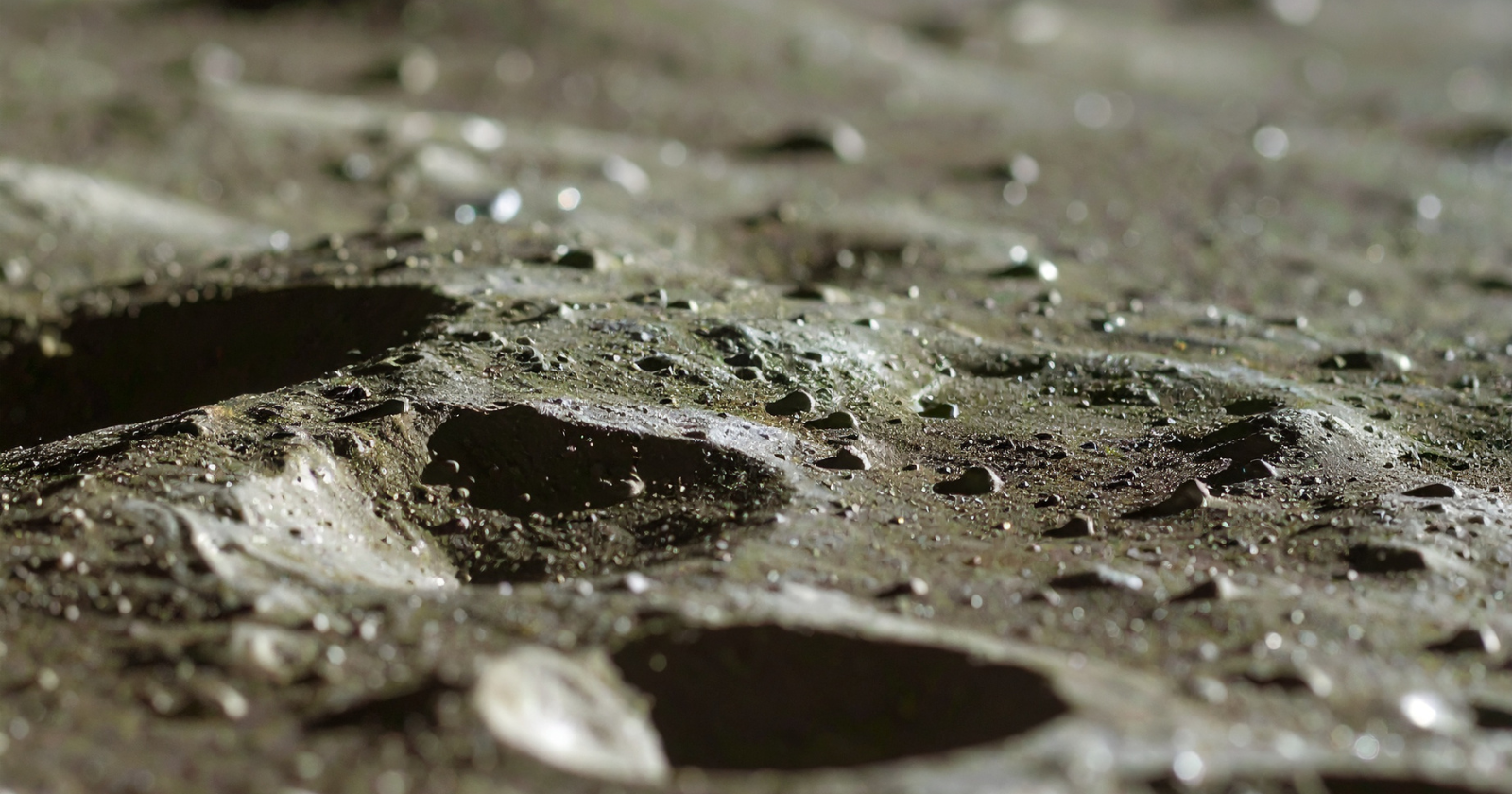
The properties that potentially caused the gunpowder smell are the same ones that threaten human health and mechanical equipment. For billions of years, the Moon’s surface has been bombarded by micrometeorites and solar wind, which creates extremely fine, jagged dust grains with “dangling bonds.” According to NASA, these surfaces are chemically hungry and highly abrasive. When inhaled, this dust causes irritation to the eyes, nose, and throat, a condition Apollo crews referred to as “lunar hay fever.” Unlike terrestrial dust, which is rounded by wind and water erosion, lunar dust remains sharp and jagged, allowing it to penetrate seals and damage delicate hardware.

How Will Artemis Missions Manage Dust Hazards?
Future missions, including the Artemis program, have elevated dust mitigation from a minor concern to a critical engineering requirement. Because the dust is fine enough to infiltrate pressurized environments, NASA is prioritizing advanced cabin filtration systems, specialized airlock procedures, and improved space suit designs. Engineers must now account for a material that is not only abrasive but also chemically active in ways that were only beginning to be understood during the Apollo era. Medical monitoring for astronauts is also a core component of these requirements to track the long-term respiratory effects of potential dust exposure.
When reviewing mission safety requirements, look for “dust mitigation” as a standing line item. This distinguishes modern lunar exploration planning from the exploratory nature of the Apollo missions, where dust was an observation rather than a technical hurdle.
Frequently Asked Questions
- Did the astronauts imagine the smell? No. Multiple crews, including Apollo 11’s Buzz Aldrin and Apollo 17’s Harrison Schmitt, reported consistent descriptions of the smell, ranging from spent gunpowder to wet fireplace ashes.
- Why is lunar dust so reactive? The lack of an atmosphere on the Moon means the dust grains have never been exposed to oxygen. They carry “dangling bonds” that react aggressively when brought into a pressurized cabin.
- Is the smell dangerous? The odor itself is likely a byproduct of oxidation, but the dust particles themselves are hazardous. They can cause respiratory issues and damage mechanical seals, according to NASA mission reports.
What are your thoughts on the challenges of living on the Moon? Join the conversation in the comments below, or subscribe to our newsletter for the latest updates on the Artemis program and lunar exploration technology.