
The Battle for a Texas Playground: Can a Data Center Destroy a Bureaucratic Legacy?
The Unlikely Transformation of a Public Promise into a Tech Giant’s Playground
When a Texas farmer donated 87 acres of land in 1999 with the explicit promise it would become a public park, no one anticipated it would later be sold to a data center developer for $10 million. The City of Taylor’s decision to rezone the property, despite a deed clause requiring its use as parkland, has sparked a legal and ethical firestorm, echoing the themes of Akira Kurosawa’s 1952 film Ikiru, where a bureaucrat’s final act of integrity reshapes a community.
The History of a Broken Promise
The Bland family’s land, initially transferred to the Texas Parks and Recreation Foundation for $10, was never developed into a park. By 2003, ownership shifted to the Williamson County Park Foundation before the City of Taylor took control in 2004. In 2008, the city sold the land to the Taylor Economic Development Corporation (TEDC) for $15,000. Last year, TEDC resold it to Blueprint, a data center developer, for $10 million.
Residents like Pamela Griffin, who grew up playing near the land, discovered the original deed’s park stipulation and organized opposition. “If they start messing with deeds in Texas? Allowing deeds to be not upheld? What’s going to happen to all of us?” Griffin asked, per 404 Media.
The Legal Battle Over Land Use
Griffin’s legal team argues the deed’s language—“held in trust for future use as parkland by Williamson County”—bindingly restricts the land’s purpose. However, the city contends that the property’s existing Employment Center zoning permits the data center. Taylor’s executive director of community services, Daniel Seguin, told 404 Media that Blueprint can proceed without city approval, citing zoning laws.

A lawsuit filed by Griffin was dismissed, and a request for an injunction to halt construction was denied. The city projects the data center will generate $30 million in tax revenue over a decade, but critics question whether this justifies overriding a 25-year-old land donation agreement.
Community Impact and Broader Implications
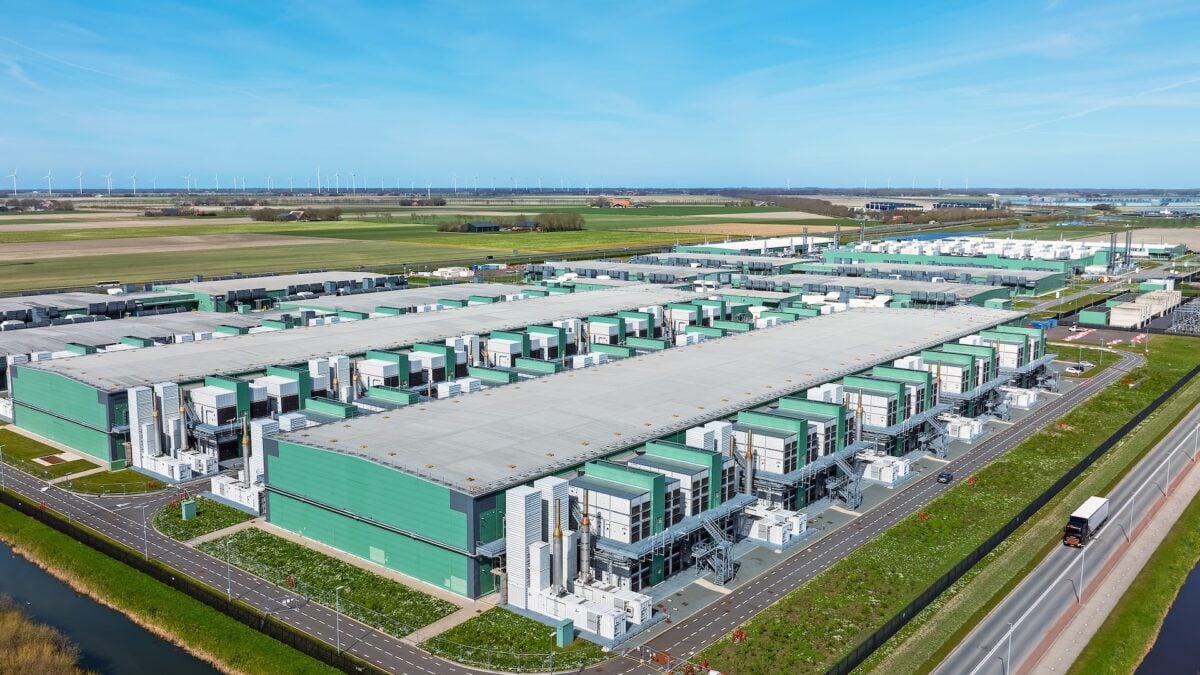
The 135,000-square-foot data center, designed to house servers for AI and data storage, has raised concerns about environmental and quality-of-life impacts. Taylor, a town of 16,267, faces a dilemma common to many small communities: balancing economic growth with preserving public spaces. Similar disputes have emerged in other cities, such as the $2.5 billion KDC data center approved in nearby Austin, though that project involved different zoning agreements.
“This isn’t just about one plot of land,” said local activist Marcus Lee, who has studied land-use policies. “It’s a test of whether communities can hold governments accountable when corporate interests override public trust.”
What Happens Next for Taylor?
The case now hinges on the Third Court of Appeals in Austin. If Griffin’s team secures an injunction, construction could pause for months. Meanwhile, the city remains committed to the project, with Blueprint emphasizing its potential to “drive innovation and job creation.”
Analysts note that the outcome could set a precedent for land-use disputes nationwide. “If a city can rezone land against a donor’s explicit wishes, it undermines the entire concept of charitable land donations,” said Dr. Emily Tran, a land-use lawyer at the University of Texas.
Did You Know?
The $10 million sale price represents a 666-fold increase from the original $10 donation. Yet, the city’s revenue projections—$30 million in taxes over 10 years—fail to address long-term environmental or social costs.
Pro Tips for Community Advocates
- Review local land-use agreements and zoning laws before major developments.
- Engage with historical records and deed clauses to identify potential legal leverage.
- Collaborate with legal experts specializing in property rights and public trust law.
Frequently Asked Questions
Why is the Taylor data center controversy significant?
The case highlights tensions between corporate development and public trust, with a 25-year-old land donation agreement at the center of the dispute. According to 404 Media, the city’s decision to rezone the land despite the deed’s stipulations has sparked legal and ethical debates.

What legal arguments are involved?
Residents argue the original deed’s “parkland” clause binds the city, while the city claims zoning laws permit the data center. The case will test whether historical land-use agreements can override modern economic priorities.
How can communities fight similar projects?
Advocates recommend leveraging public records, engaging legal counsel, and mobilizing grassroots support. As seen in Taylor, transparency in land ownership and zoning can be critical tools for resistance.
What’s Next for Public Land and Tech Development?
The Taylor case reflects a broader trend: as data centers expand, conflicts over land use are becoming increasingly common. In 2025, Texas saw a surge in data center approvals, with projects like the $225 million KDC facility in nearby Cedar Park. However, Taylor’s situation stands out due to the clear historical intent of the land’s original donation.
For residents, the fight is about more than a park—it’s about the right to hold institutions accountable. As Griffin put it, “This is about whether we can trust our leaders to honor promises made to the community.”
Take Action
Have you seen similar land-use disputes in your community? Share your thoughts below or