
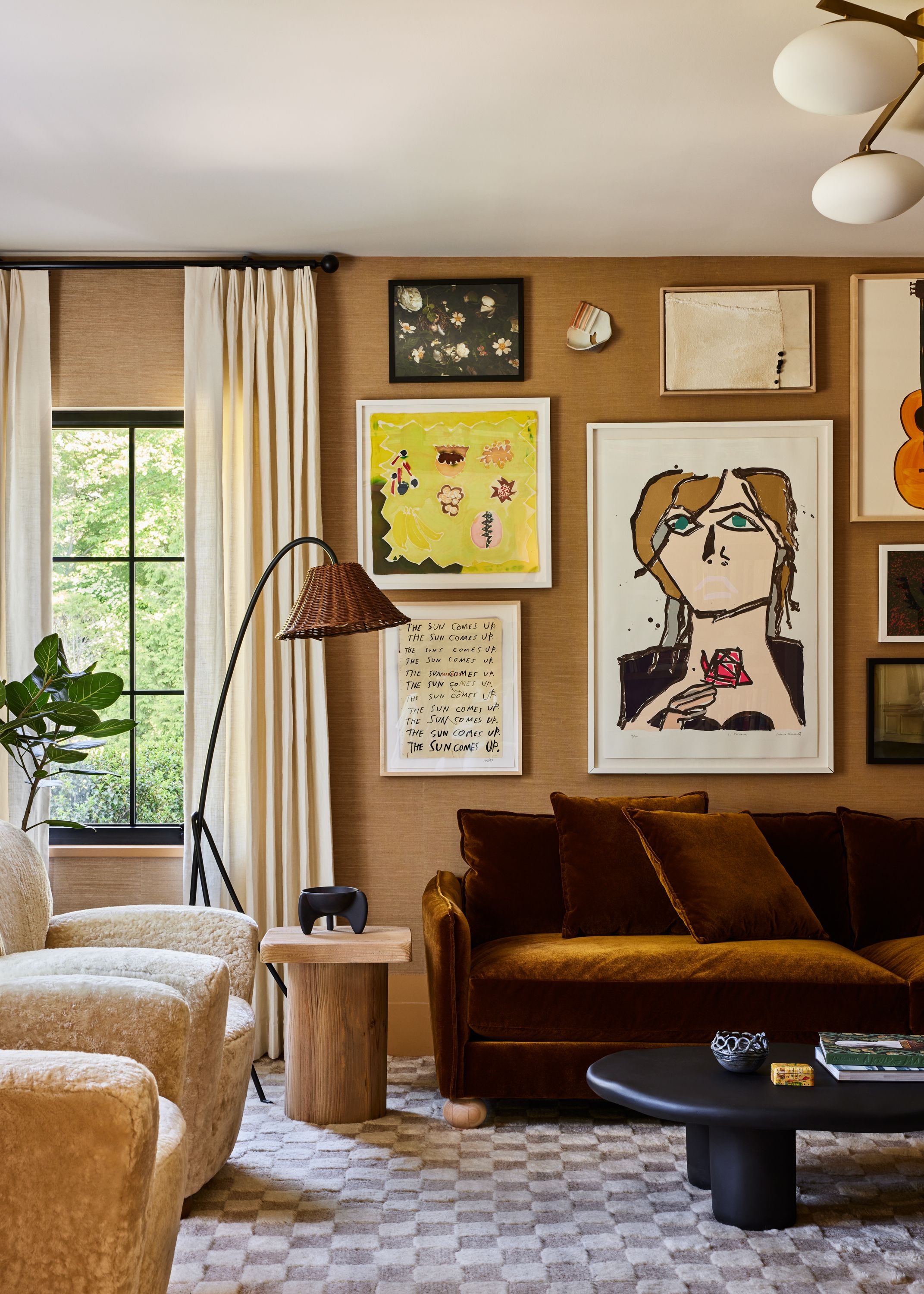
The Best Interiors Don’t Chase Trends: They Make You Feel Something
The release of Sarah Sherman Samuel: The Intersection of Art and Design, published by Abrams Books, offers a rare glimpse into the philosophy of a designer who believes our domestic environments are as transformative as they are functional. Since founding SSS Design in Los Angeles in 2014, Samuel has championed a multidisciplinary approach that bridges the gap between architecture, interiors, and the fine arts.
Designing for Emotional Resonance
In the pages of her new book, Samuel argues against the modern temptation to design around fleeting trends. Instead, she advocates for “emotional resonance,” a strategy that prioritizes how a space makes its inhabitants feel over its immediate visual impact. By incorporating tactile materials like travertine, walnut, and marble alongside hand-applied finishes such as limewash, she aims to create environments that evolve throughout the day.
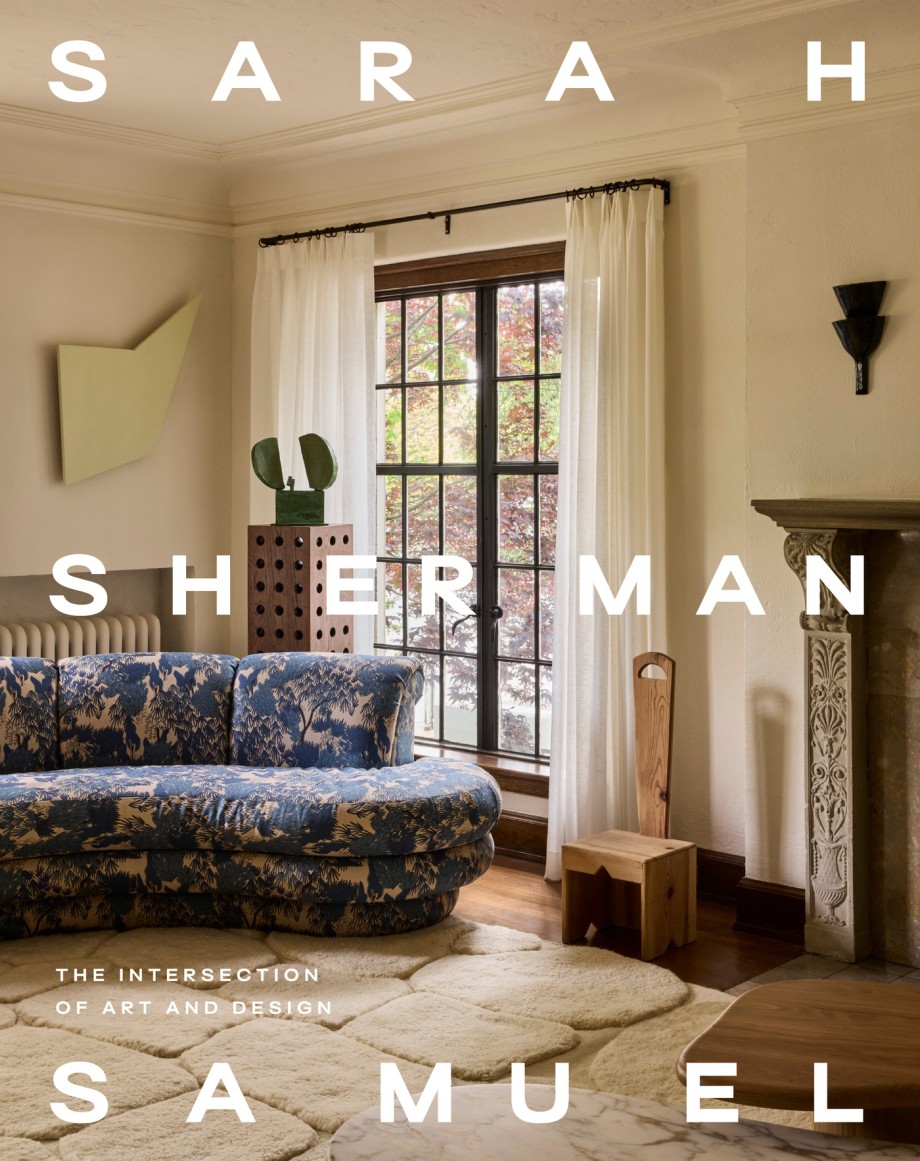
Samuel’s work, which often reflects a wabi-sabi influence, seeks beauty in the imperfect and the authentic. Her projects, such as the Contemporary Colonial in Short Hills, New Jersey, and the MCM on the Creek in Cascade, Michigan, highlight the importance of layering and restraint. These spaces often feature bespoke, customized elements—from hand-painted tiles to embroidered textiles—that serve as deeply personal anchors for the homeowners.
Did You Know?
Sarah Sherman Samuel’s design studio, SSS Design, originally debuted in Los Angeles in 2014 before relocating to the lush woods of West Michigan, where it continues to manage projects across the United States.
The Reciprocal Relationship of Home
The core of Samuel’s design ethos is the belief that the relationship between a person and their home is reciprocal. By “creating your home,” she suggests, the home in turn has a hand in “creating you.” This perspective shifts the goal of interior design away from achieving a “perfect” room and toward cultivating a space that is lived-in, layered, and representative of the owner’s personal history.
Expert Insight:
The shift away from trend-based interiors toward “emotional resonance” marks a significant evolution in residential design. By prioritizing storytelling and tactile, human-centric materials, designers are likely moving toward a long-term model of sustainability where spaces are built to age gracefully rather than be replaced, ultimately fostering a deeper, more enduring connection between the occupant and their sanctuary.
Looking Ahead
As the design community continues to emphasize the value of handmade furniture and artisanal detail, we will see a broader industry move toward more bespoke, slow-design practices. Future residential projects may increasingly rely on the integration of personal artifacts and raw, grounded materials to combat the sterility of mass-produced aesthetics. Analysts of the field expect that this focus on intentional, “human” design will continue to influence how homeowners perceive the function and soul of their living spaces.

Frequently Asked Questions
What is the primary design philosophy of Sarah Sherman Samuel?
Samuel focuses on the intersection of interiors, architecture, art, and product development, emphasizing that a home should be a true reflection of its inhabitants and a sanctuary that unfolds alongside them.
What does it mean to design for “emotional resonance”?
It means prioritizing the feeling a space leaves you with—through texture, light, memory, and storytelling—rather than designing based on singular styles or current trends.
How does Samuel incorporate personalization into her projects?
She often commissions custom pieces, such as metalwork door handles with family motifs, hand-painted tiles featuring inside jokes, or embroidered bedcovers reflecting a favorite landscape.
How does the environment of your own home influence your daily mood and sense of self?