

The call he can’t forget
The Mall of Louisiana shooting underscores a critical shift in how public spaces manage security and how first responders handle cumulative trauma. According to BRPD Sergeant Billy Aime in an interview with Louisiana Unfiltered, the psychological weight on the sole officer assigned to a facility is immense, highlighting a growing need for integrated emergency responses and long-term mental health support for law enforcement.
How is retail security evolving after mass casualty events?
Public spaces are moving away from relying on a single point of failure. In the April shooting at the Mall of Louisiana, Sgt. Billy Aime was the only police officer assigned to the premises. He described the chaos of running toward gunfire while others fled, eventually using the mall’s security office to rewind video and provide suspect descriptions over the radio.
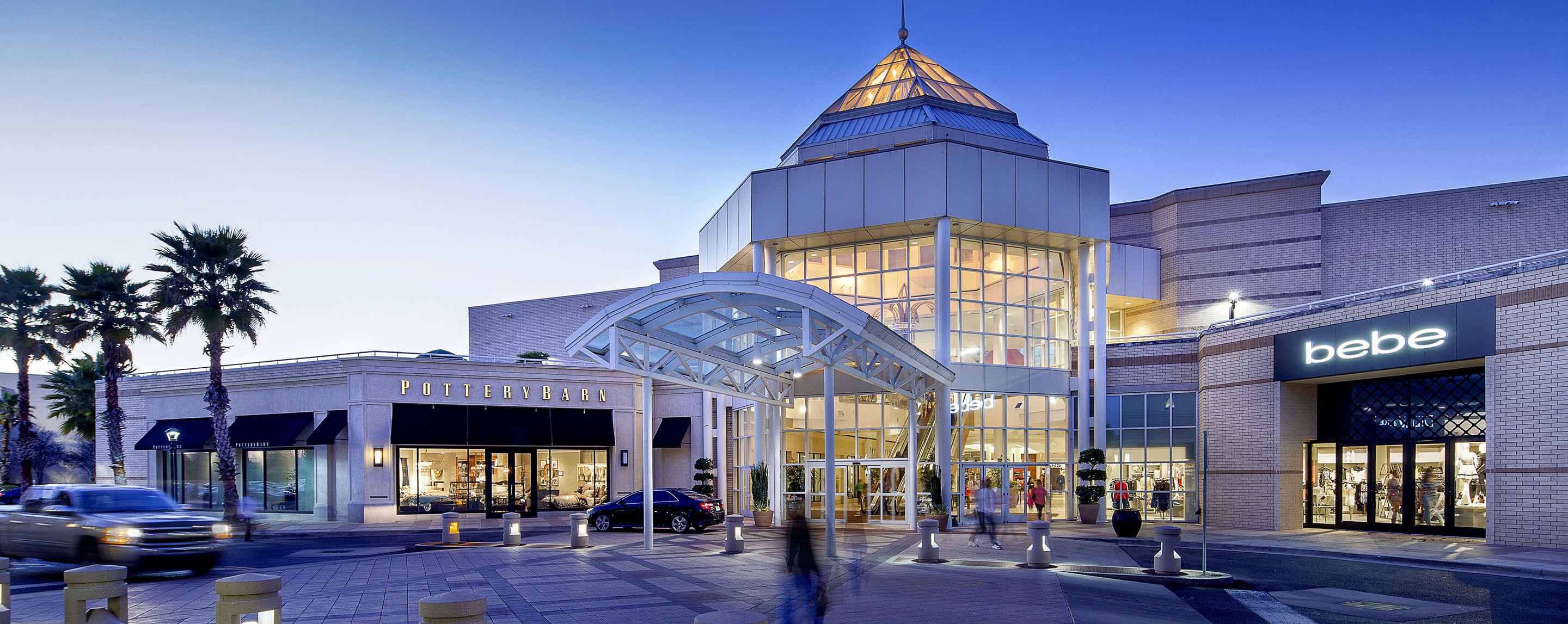
This reliance on a single officer creates a high-pressure environment. Aime noted that he takes great pride in his role and feels a personal responsibility to protect everyone. Future trends suggest a move toward “hybrid security models” where dedicated police officers are supported by real-time AI surveillance and immediate multi-agency protocols to reduce the burden on the first officer on the scene.
Why does first responder trauma persist long after the scene is clear?
The “could have, should have, would have” mentality is a recurring theme in responder trauma. Despite being praised for his actions, Sgt. Aime admitted he feels like he could have done more. This sentiment often stems from a deep sense of duty to the community they serve daily.
Trauma is rarely a single event; it’s cumulative. Aime linked his emotional response to the April shooting back to a 2016 ambush that killed his dear friend and co-worker, Montrell Jackson. When an officer works a specific beat for years, the location becomes an extension of their home, making the loss of life in that space “hit different.”
Industry experts are now emphasizing the importance of “long-tail” mental health support. This means moving beyond immediate debriefings and providing ongoing counseling that recognizes how new tragedies can trigger old wounds from years prior.
What role does community connection play in recovery?
Recovery isn’t just about medical treatment; it’s about returning to a sense of normalcy. The relationship between Sgt. Aime and Donnie Guillory, a mall staple who was injured in the shooting, provides a blueprint for community-based healing.
Aime didn’t just perform his duty; he visited Guillory in the ICU and later escorted him back into the mall. This personal bond helps victims reclaim spaces that were once sites of terror. When Guillory returned to the mall, he was able to connect with Mason Jackson, the son of the officer killed in 2016, turning a site of tragedy into a place of mutual support.
The psychological impact of the “Sole Protector” role
When one person is the face of safety for thousands of visitors, the emotional stakes are higher. Aime’s experience shows that the transition back to “normal” work is slow. He mentioned that it took about a month before he started “smiling and cutting up a little bit” again.
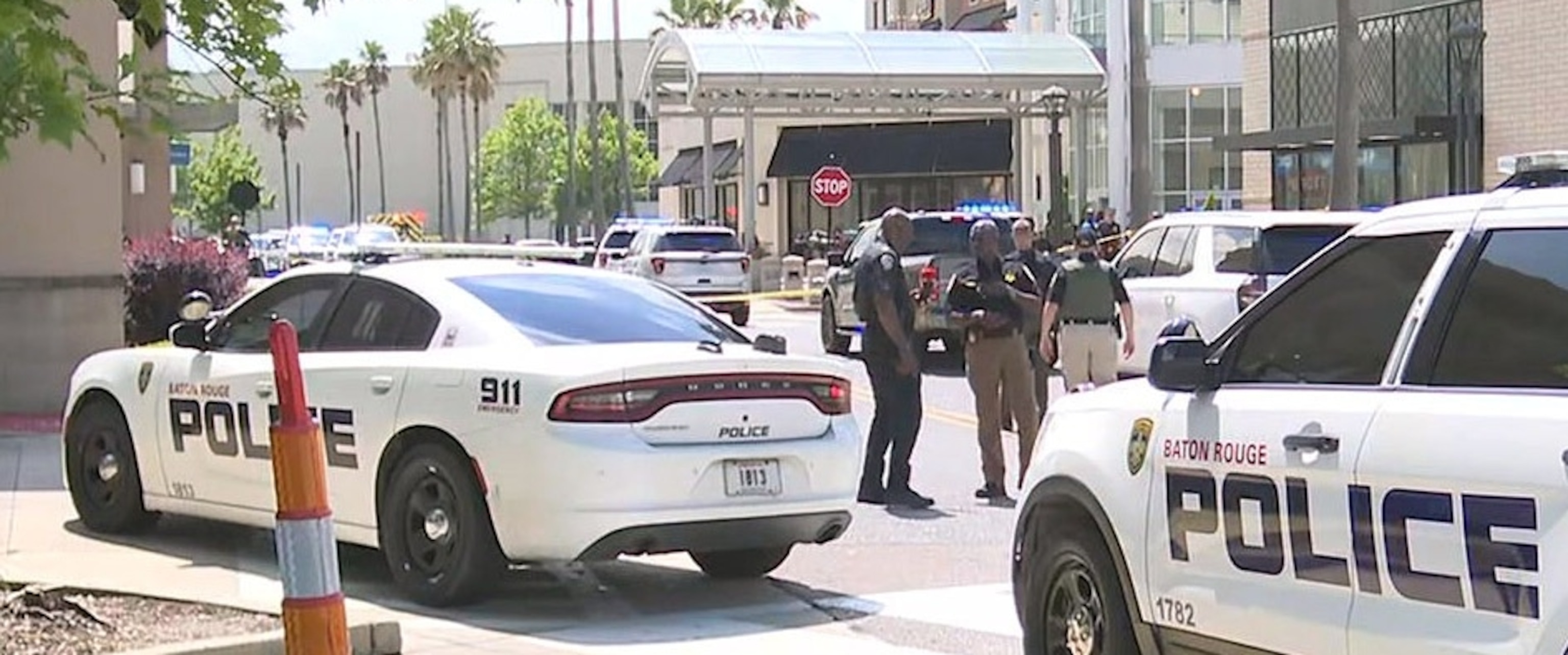
This highlights a trend toward diversifying the presence of law enforcement in retail hubs. By distributing the responsibility across more personnel, agencies can prevent the extreme burnout and guilt associated with the “sole protector” dynamic.
Frequently Asked Questions
Who was the first responder at the Mall of Louisiana shooting?
BRPD Sergeant Billy Aime was the first officer on the scene, as he is the officer specifically assigned to the mall.
How did the officer help identify suspects?
According to the Louisiana Unfiltered podcast, Sgt. Aime went to the mall’s security office to review and rewind video footage to provide accurate suspect descriptions over the radio.
What is the long-term impact on victims and responders?
Both victims and responders face long-term psychological challenges. For responders, this can include cumulative trauma from previous incidents, while victims often require community support and personal connections to feel safe returning to the site of the event.
How do you think public spaces should balance security and openness to make visitors feel safe? Let us know in the comments below, or subscribe to our newsletter for more in-depth reports on community safety and first responder wellness.