

The Closest Finishes in Indy 500 History
The Indianapolis 500 has long been defined by its pursuit of perfection, evolving from a race of endurance to a high-stakes sprint. While the 1913 event saw a victory margin of over 13 minutes, the modern era has shifted toward razor-thin margins, with three of the five closest finishes in history occurring within the last 12 years.
The 2026 Milestone
The 110th running of the Indy 500 set a new standard for intensity, concluding in a one-lap dash that resulted in the closest finish in the event’s 115-year history. Felix Rosenqvist, restarting in third, engaged in a wheel-to-wheel battle with David Malukas.
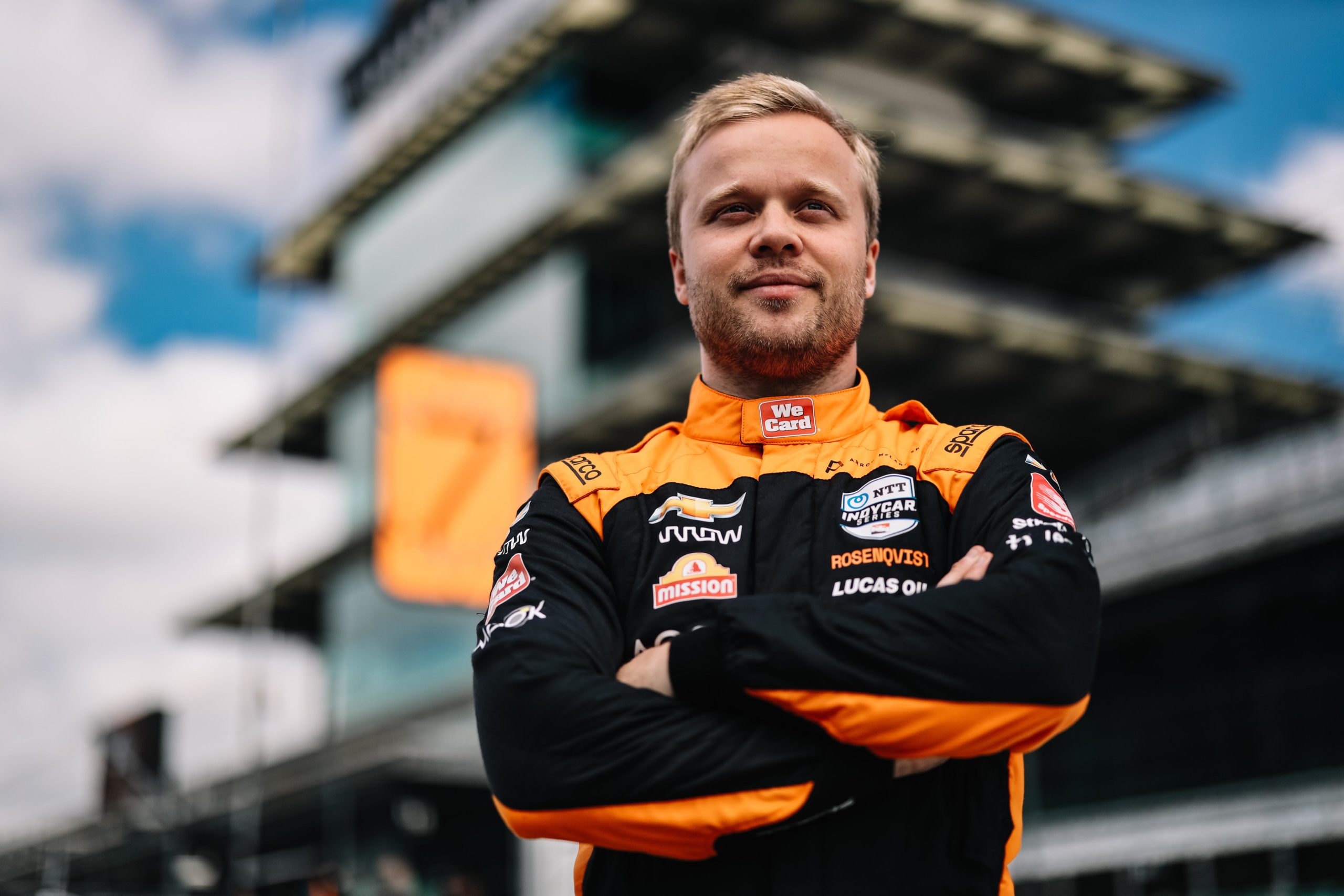
By utilizing the higher groove, Rosenqvist maintained clean air and built crucial momentum through Turns 3 and 4. A final slingshot maneuver allowed him to edge out Malukas by just 0.023 seconds, effectively dethroning a record that had stood for 34 years.
Did You Know? The record for the closest finish in Indianapolis 500 history had remained untouched for 34 years prior to the 2026 race, when Al Unser Jr. Defeated Scott Goodyear by 0.043 seconds in 1992.
A Legacy of Tight Finishes
The history of the “Greatest Spectacle in Racing” is punctuated by iconic duels. In 2006, Sam Hornish Jr. Overcame the “Andretti Curse” by drafting past Marco Andretti in the final few hundred feet to win by 0.063 seconds. Similarly, the 2014 battle between Ryan Hunter-Reay and Helio Castroneves saw the lead swap hands repeatedly, with Hunter-Reay holding on by a narrow margin.
The 2023 race provided another display of high-speed aggression, where Josef Newgarden utilized a late-race restart to bypass Marcus Ericsson. Newgarden’s tactical maneuvering—including a serpentine path to the finish line—prevented Ericsson from securing back-to-back victories.
Expert Insight: The increasing frequency of record-breaking finishes suggests that the competitive landscape of IndyCar is narrowing. As drivers become more adept at utilizing clean air and drafting strategies, we may see even more one-lap dashes in future iterations of the event, placing a higher premium on late-race positioning.
Looking Ahead
As the field continues to tighten, future races may increasingly rely on late-race restarts to determine a winner. Drivers are likely to continue refining their drafting techniques and defensive maneuvers, such as the serpentine lines seen in recent years, to protect their positions. Analysts expect that as long as the cars remain evenly matched, the margin of victory in the final laps will remain a focal point for both competitors and spectators.
Frequently Asked Questions
What was the margin of victory in the 2026 Indianapolis 500?
Felix Rosenqvist defeated David Malukas by 0.023 seconds, marking the closest finish in the 115-year history of the event.
Why is the 2006 race considered an example of the “Andretti Curse”?
No member of the Andretti family has won the Indy 500 since Mario Andretti in 1969. In 2006, rookie Marco Andretti led in the final three laps but was overtaken by Sam Hornish Jr. Near the finish line.
How did Josef Newgarden secure his win in 2023?
Newgarden utilized a one-lap restart to charge past Marcus Ericsson, moving to the outside entering Turn 3 and using a serpentine path to the finish line to hold off Ericsson’s challenge.
Do you believe that the shift toward one-lap sprints has fundamentally changed the strategy of the Indianapolis 500 compared to its early years?