

The course and trajectories of quality of life among post-COVID-19 patients in the HUS long covid cohort study
A recent study of 442 patients reveals that while most individuals with post-COVID condition (PCC) experience gradual improvements in quality of life over a 12-month period, a significant minority remains in a stable, lower-functioning state. Researchers tracking these patients at 0, 3, 6, and 12 months found that recovery is often tied to employment status and the psychological perception of symptoms.
Recovery Patterns and Quality of Life
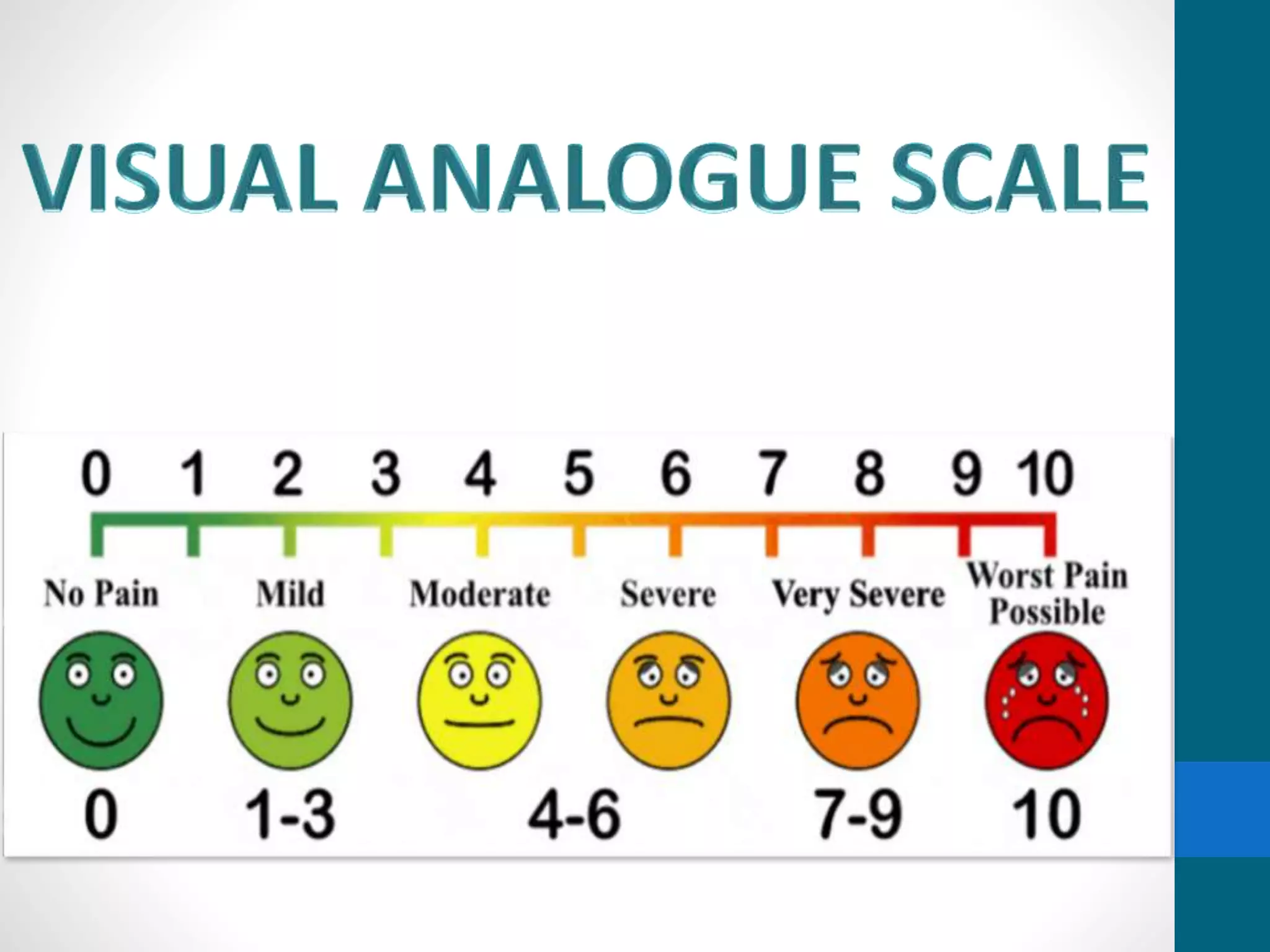
Data collected from a prospective PCC clinic cohort shows that recovery is not uniform. Using the EUROHIS-QOL-8 scale, investigators identified two distinct recovery trajectories covering 73.8% of the patient population, while 26.2% of patients followed a stable, non-improving path. Overall, patients saw their mean quality of life scores rise from 5.2 to 6.5 on a 0–10 Visual Analogue Scale (VAS) over the course of the year.
Health-related quality of life (HRQoL), measured by the 15D instrument, also showed a positive trend, increasing from an average of 0.76 at baseline to 0.80 by the end of the study. Despite these improvements, the researchers noted that 92.7% of the cohort were non-hospitalized, suggesting that even those with milder initial COVID-19 cases often face lingering, long-term health challenges.
Did You Know? Among the 442 patients who participated in the study at baseline, 305 individuals—or 69.0%—provided complete follow-up data throughout the 12-month monitoring period.
Factors Influencing Long-Term Outcomes
The study highlights a clear distinction between those who recover and those who remain stable. Patients in the stable group reported higher levels of worry-inducing symptom perceptions, with a mean score of 26 out of 48 on the Somatic Symptom Disorder – B Criteria Scale (SSD-12). Conversely, those who showed marked recovery typically reported lower SSD-12 scores, ranging from 10 to 13, and were more likely to be employed.
Expert Insight: Samantha Carter notes that the correlation between symptom perception and recovery suggests that clinical rehabilitation must address both physical health and the psychological burden of illness. Patients with multiple comorbidities and heightened distress levels may require more intensive, specialized support to break the cycle of stable, low-quality-of-life outcomes.
What May Happen Next for PCC Patients
Based on these findings, medical providers may shift their approach toward more personalized rehabilitation strategies. Because comorbidities and distressing illness beliefs are associated with poorer outcomes, clinicians could prioritize early intervention for these specific groups. Future care models might incorporate mental health support alongside physical treatment to lower SSD-12 scores, potentially moving more patients from the stable category into the recovery trajectories identified by the study.

Frequently Asked Questions
What was the primary method used to measure quality of life?
The primary outcome was measured using the Visual Analogue Scale (VAS), which uses a 0–10 scale to assess patient quality of life.
What percentage of patients remained in a stable, non-recovering group?
According to the trajectory analysis, 26.2% of the cohort followed a stable trajectory with no significant improvement over the 12-month period.
Which factors were linked to better recovery outcomes?
Marked recovery was associated with being employed and having lower levels of worry-inducing symptom perceptions, as measured by the SSD-12 scale.
How might these findings change the way healthcare providers prioritize patients in post-COVID clinics?