
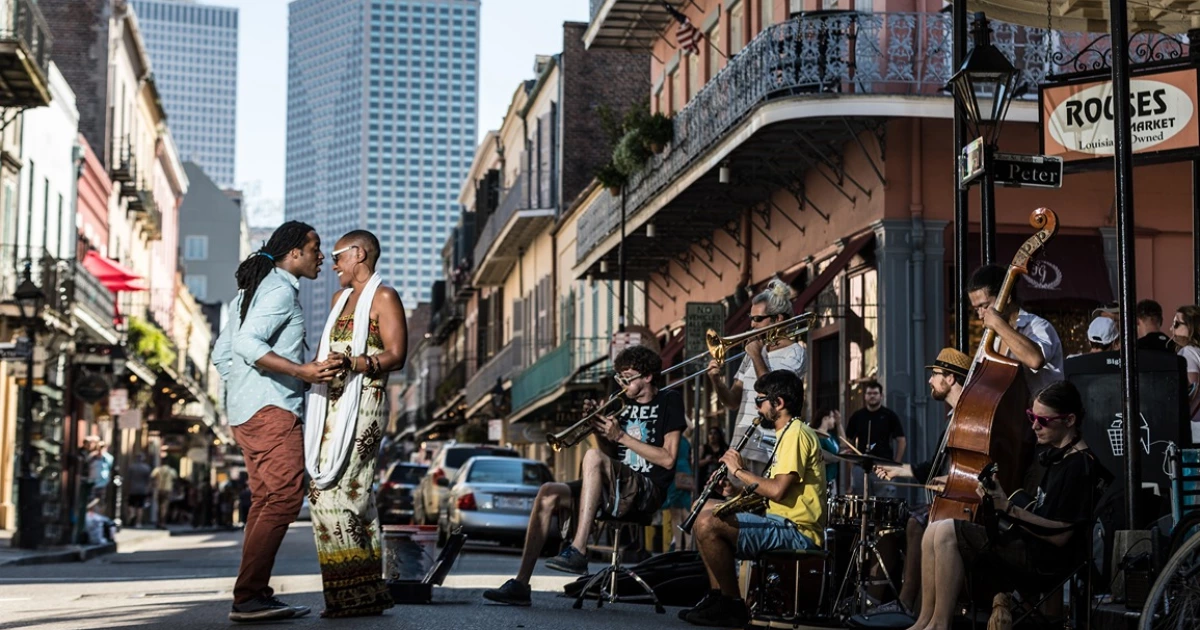
The Evolution and Cultural Impact of New Orleans Bounce Music
New Orleans Bounce music, a genre defined by fast tempos and communal call-and-response participation, remains a central driver of Southern culture and mainstream hip-hop influence. Emerging from the city’s housing projects and block parties in the late 1980s and early 1990s, the genre is built upon the “Triggerman” and “Brown Beats” production styles. Today, the movement continues to evolve through the work of influential artists including Big Freedia, Katey Red, and Sizzle, maintaining its core identity as a form of Black queer expression.
The Evolution of a Cultural Sound
Bounce functions as both a musical genre and a social command. According to cultural observers, the music relies on a structure that demands immediate physical participation, including twerking and chanting, which effectively blurs the lines between the DJ, the performer, and the audience. While the genre originated in local New Orleans spaces, its influence has expanded globally, affecting everything from mainstream hip-hop production to contemporary choreography.
Did You Know? The foundational sound of New Orleans Bounce is built upon the specific rhythmic DNA of the “Triggerman” and “Brown Beats,” which serve as the percussive backbone for the genre’s signature fast-paced, loop-heavy production.
Key Figures Shaping the Genre
Several artists have been instrumental in moving Bounce from local basements to global stages. Big Freedia is recognized as the genre’s most visible ambassador, known for bringing the energy of New Orleans to mainstream festivals and television. Katey Red, often credited as the first openly transgender bounce artist to release music, played a foundational role in defining the genre’s modern aesthetic during the early 2000s.
Other vital contributors include DJ Jubilee, who helped establish the participatory call-and-response format with early anthems like “Do the Jubilee All.” Meanwhile, performers such as Sissy Nobby, HaSizzle, Magnolia Shorty, and Choppa have each contributed to the genre’s longevity, bridging the gap between street-level origins and broader commercial success.
Expert Insight: The enduring nature of Bounce lies in its resistance to being flattened by mainstream trends. By remaining rooted in communal spaces where performers and audiences interact in real time, the genre preserves a form of Black Southern futurism that prioritizes physical release and self-expression over screen-based consumption.
Future Trajectory and Impact
As the music industry continues to cycle through trends, Bounce is likely to maintain its presence by adapting to new digital pipelines. Artists like HaSizzle demonstrate the genre’s ability to thrive within internet algorithms while preserving traditional vocal structures. Analysts expect that Bounce will continue to “leak” into mainstream hip-hop, as it has for decades, serving as a persistent influence on rhythm and production styles. The genre’s future remains tied to its origins, as it continues to function as a language of release for new generations of dancers and rappers in New Orleans.
Frequently Asked Questions
When did New Orleans Bounce music originate?
The genre emerged in the late 1980s and early 1990s within the housing projects and block parties of New Orleans.
What is the primary characteristic of Bounce music?
Bounce is defined by fast tempos, loop-heavy production, and a communal call-and-response culture that requires active participation from the audience.
How has Bounce influenced mainstream music?
The genre has influenced mainstream hip-hop through its specific rhythmic DNA, unique production cadences, and approaches to choreography, often bridging the gap between local street energy and commercial rap spaces.
What aspects of your local music scene most define your community’s identity?