
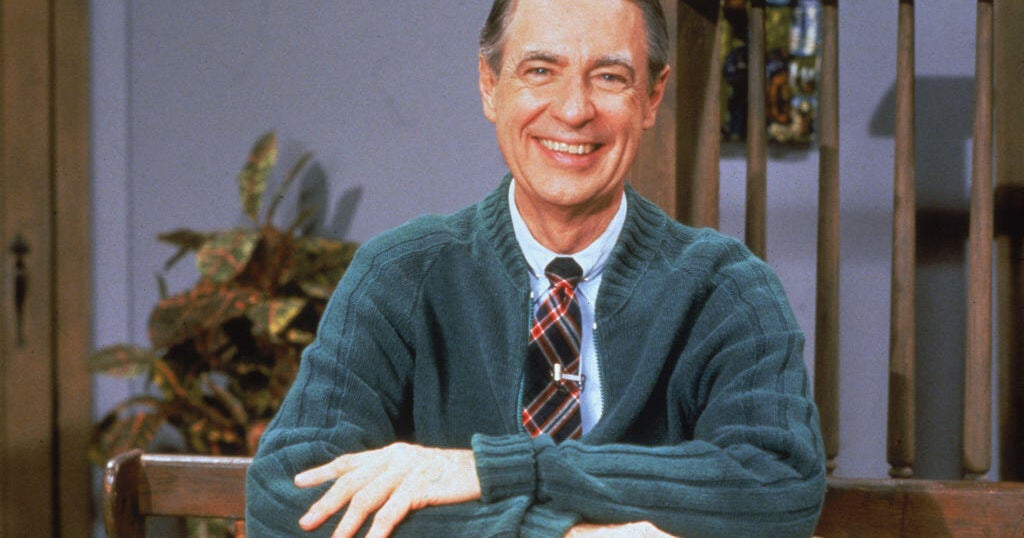
The first-ever dedicated Mister Rogers’ Neighborhood YouTube channel launches globally
The Digital Renaissance of Childhood Classics: Why Mister Rogers Matters More Than Ever
In an era defined by rapid-fire content and algorithmic chaos, the arrival of Mister Rogers’ Neighborhood on YouTube feels like a radical act of slow television. By bringing Fred Rogers’ gentle, deliberate pacing to the world’s largest video platform, Fred Rogers Productions isn’t just archiving history—they are tapping into a growing cultural hunger for “slow media.”
This move signals a broader trend: legacy media brands are realizing that in a noisy digital landscape, the most effective strategy isn’t to shout louder, but to offer a sanctuary. As we look toward the future of digital family entertainment, the “Mister Rogers model” is the gold standard for long-term audience retention.
The Rise of “Slow Media” in a High-Speed World
For years, digital platforms prioritized high-energy, fast-cut content to keep retention rates high. However, data from platforms like YouTube and Netflix suggests a shift. Parents are increasingly seeking out “co-viewing” experiences—content that allows families to bond rather than just pacify children with mindless stimulation.
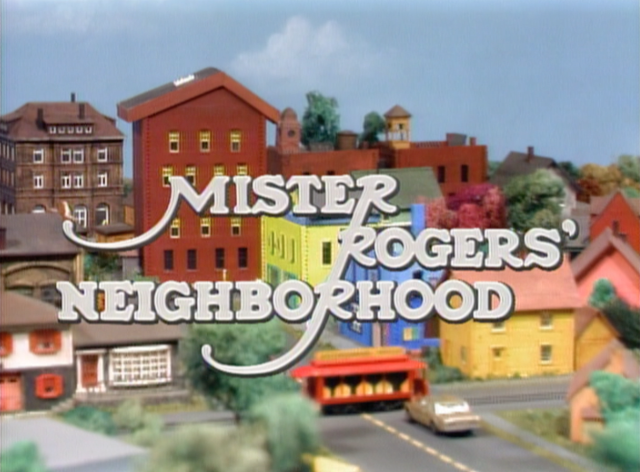
By curating playlists that focus on the Neighborhood of Make-Believe or musical segments, the new official channel creates a digital “third space.” This isn’t just about nostalgia; it’s about providing a psychological anchor for children who are growing up in an increasingly fragmented digital environment. According to recent reports from the Common Sense Media, parents are actively looking for high-quality, prosocial media that mirrors real-world emotional intelligence.
Did you know? Fred Rogers wrote, composed, and performed much of the music for the show himself. This level of authentic, creator-led production is a rarity in modern children’s television, which often relies on massive writing teams and market-tested formulas.
Why Legacy Brands Are Doubling Down on YouTube
Why move to YouTube instead of keeping the content locked behind a subscription wall? The answer lies in accessibility. YouTube acts as a massive top-of-funnel discovery engine. By offering free, high-quality, long-form episodes, Fred Rogers Productions is ensuring that the brand remains relevant to Gen Alpha, even as their parents might be the ones clicking “play.”
Other legacy brands, such as Sesame Workshop, have long utilized this hybrid strategy. The future of digital education and entertainment lies in this “freemium” model: providing the core values for free to build community, while offering deeper, curated experiences for those who want to engage more deeply.
Pro Tips for Mindful Co-Viewing
If you’re looking to bring the spirit of the Neighborhood into your own home, consider these expert tips for making the most of your screen time:

- Watch together: The magic of Fred Rogers was his ability to address the “grown-ups” as much as the children. Use the episodes as conversation starters about big feelings.
- Curate the experience: Don’t just let the autoplay run. Use the official playlists to select episodes that match your child’s current interests or emotional needs.
- Create a routine: Much like the original show, consistency is key. Make “Neighborhood time” a specific part of the day to help children transition between activities.
Frequently Asked Questions
- Where can I find the official Mister Rogers YouTube channel?
- You can find the official channel here, featuring full episodes, clips, and special compilations.
- Is the content free to watch?
- Yes, the channel is free for all viewers, aligning with the show’s original mission to be accessible to everyone, regardless of their background.
- Are there still ways to watch on PBS?
- Absolutely. The series remains a cornerstone of public broadcasting. You can continue to find episodes on your local PBS station and through the PBS KIDS Video app.
What is your favorite memory from Mister Rogers’ Neighborhood? Do you think this shift toward “slow media” will change how we consume content in the future? Share your thoughts in the comments below, or subscribe to our newsletter for more insights into the intersection of technology, and culture.