

The Future of the Blue Economy: AI, Energy, and Maritime Innovation
The global ocean economy is evolving into a critical strategic asset, with OECD estimates suggesting it could reach $3 trillion annually by 2026. Driven by AI, energy demands, and geopolitical shifts, the maritime domain is expanding beyond shipping and fishing into digital infrastructure, renewable energy, and biotechnology.
According to Hila Ehrenreich, CEO of the Israeli National Center of Blue Economy, the ocean is no longer just a trade route or food source. The COVID pandemic, supply chain disruptions, and the AI revolution have highlighted how dependent the global economy is on subsea resources and infrastructure.
Why is the maritime domain becoming a strategic economic asset?
The surge in computing loads from AI and cloud computing is driving an unprecedented need for energy and communication infrastructure. Coastal areas are naturally suited to become hubs for renewable energy generation and large-scale storage.

Ports and coastal cities are shifting from simple logistics gateways into strategic hubs for innovation. This transition is fueled by the need for subsea communications networks and energy-intensive industries that can leverage coastal proximity.
How are AI and energy transforming ocean infrastructure?
The “Blue Economy” of 2026 is likely to be defined by the convergence of AI, energy, and infrastructure. Significant global investment is flowing into marine energy generation, subsea HVDC cables, and offshore power grids.

Underwater data centers are emerging as a new class of digital infrastructure. These facilities offer natural seawater cooling and direct access to intercontinental communication lines, reducing the overhead for AI computing power.
What role do “Smart Oceans” and biotechnology play?
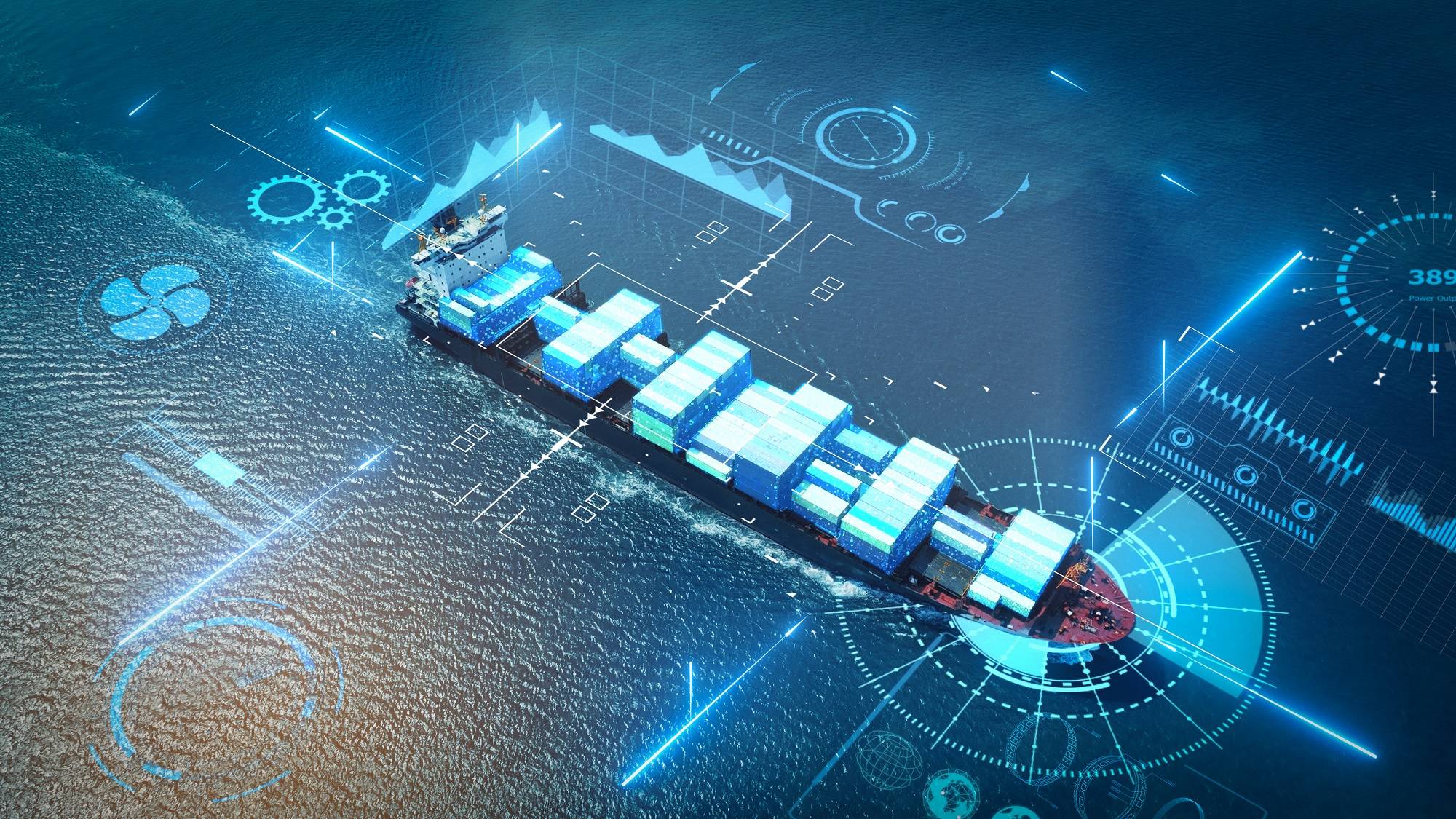
The rise of the Smart Ocean involves integrating satellites, sensors, and autonomous vessels to create real-time situational awareness. This technology enables better subsea infrastructure protection, resource detection, and smart port management.
Marine biotechnology is also advancing through the use of synthetic biology and algae. This intersection of science is unlocking new ways to produce pharmaceuticals, enzymes, and sustainable proteins for the healthcare and food industries.
How is Israeli innovation impacting the Blue Economy?
Israel is leveraging its leadership in AI, cybersecurity, and robotics to enter the maritime space. The country is adapting technologies originally built for defense and healthcare to solve oceanic challenges.
Several startups are already active in this sector. Newlight has created a system to integrate hydrogen into ship engines to lower emissions. Quanomaly is developing quantum sensors for maritime security and resource exploration.
Additionally, Deep Signals uses geophysics and AI to optimize offshore energy projects. This approach may reduce the need for unnecessary drilling and minimize environmental risks.
What happens next for the global ocean economy?
Capital and entrepreneurship may flow toward the maritime domain in a manner similar to the previous decade’s investment in fintech and cybersecurity. This influx of technology could accelerate the digitalization of the sea.
As activity increases, innovation will likely focus on managing environmental constraints. The ability to optimize marine space through AI and robotics could determine which nations secure a dominant stake in this growth engine.
Frequently Asked Questions
What is the estimated value of the global ocean economy by 2026?
According to OECD estimates, the global ocean economy is expected to approach $3 trillion annually by 2026.
Which countries are leading the development of subsea data centers?
Microsoft has deployed Project Natick off the coast of Scotland, and China is advancing commercial facilities off Hainan Island.
What are some specific examples of maritime tech innovation?
Examples include Newlight’s hydrogen-integrated ship engines, Quanomaly’s quantum sensors for magnetic anomalies, and Deep Signals’ AI-driven geophysics for offshore energy.
Do you believe the shift toward underwater digital infrastructure will fundamentally change how we manage global data privacy and security?