
The Garish Spectacle of American Decline: Trump, Iran, and the New Colosseum
The Trump administration has concluded a diplomatic arrangement with Iran following a period of military engagement, while simultaneously hosting a televised mixed martial arts event on the White House lawn. According to reports, the agreement remains unpublished and lacks a formal nuclear accord, leaving Iran’s ballistic missile program and support for regional groups like Hezbollah intact. Critics, including analysts from the International Crisis Group, describe the outcome as a failure to meet strategic objectives.
The Strategic Outcome in Iran
The military conflict between the United States and Iran has concluded with a memorandum of understanding, though the specific terms have not been made public. Ali Vaez, director of the Iran project at the International Crisis Group, stated that the failure of the U.S. and its intelligence partners to achieve strategic goals against a regional power is “striking.” While the agreement appears to focus on the reopening of the Strait of Hormuz, the waterway remained operational prior to the hostilities. Iran has reportedly maintained its existing missile capabilities and regional influence, securing a level of deterrence it did not previously possess.
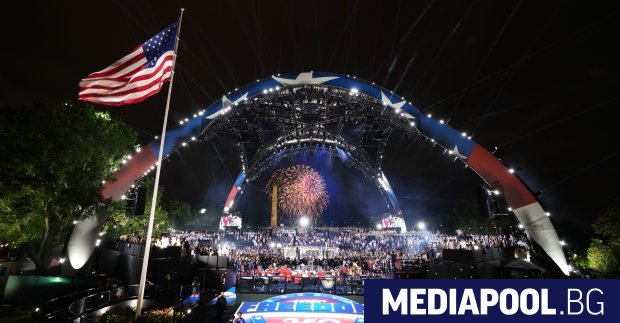
The White House event featured a 30-meter steel structure erected on the grounds, which served as a backdrop for a mixed martial arts competition hosted by the UFC.
Commercialization of the White House Spectacle
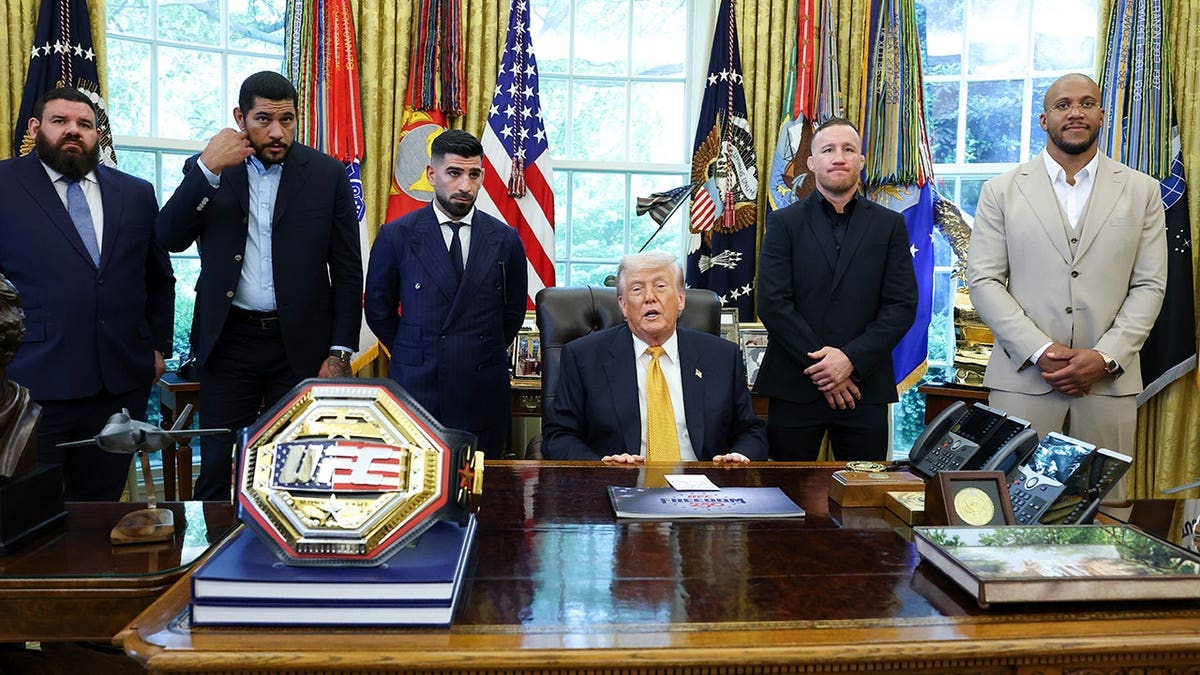
The Sunday event at the White House integrated professional fighting with private corporate interests. Donald Trump, who acquired shares in the UFC’s parent company in March, oversaw the broadcast, which required a subscription to Paramount+. The network is controlled by David Ellison, who recently acquired CBS. Reports indicate that the administration’s focus on the event, which drew comparisons to the Roman Colosseum from attendees, occurred as officials worked to frame the concurrent foreign policy developments as a success.
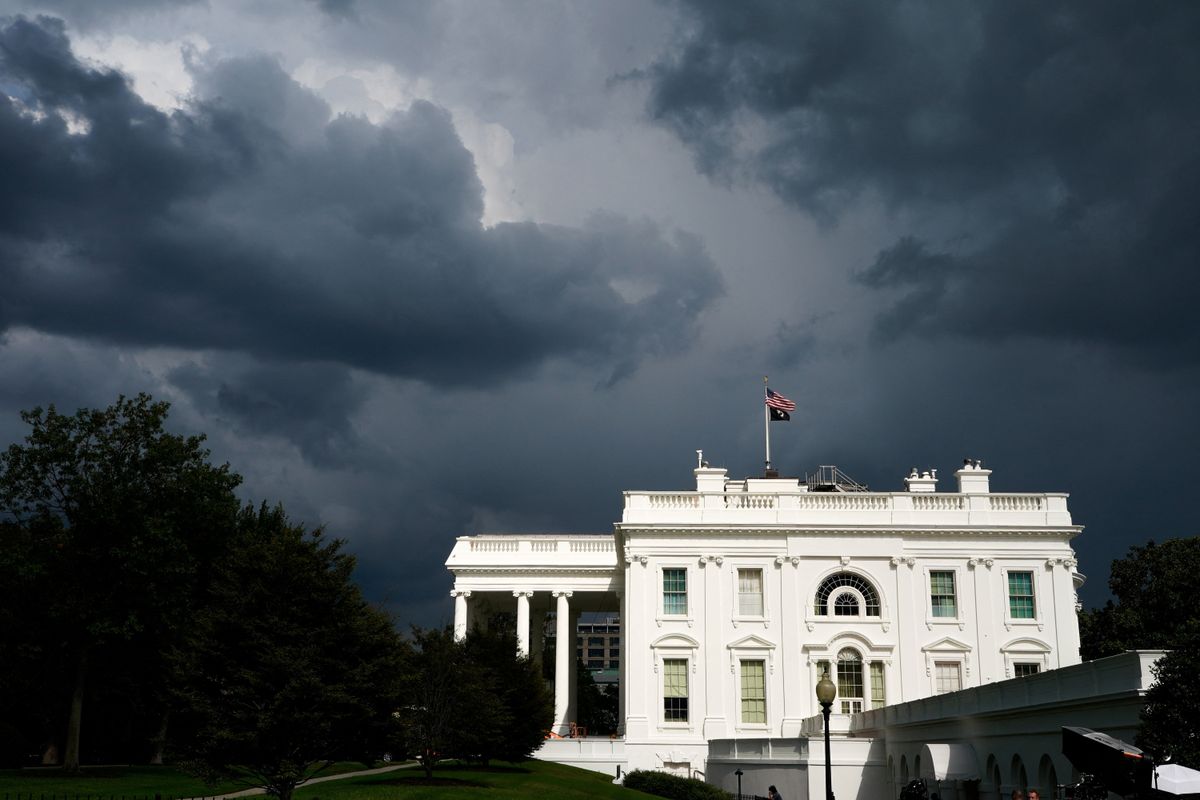
The juxtaposition of a military stalemate in Iran with a high-profile, monetized entertainment event suggests a shift in how the current administration manages domestic perception. Historically, such spectacles have been used to project strength, yet the lack of substantive policy gains in the Iran deal may lead to future questions regarding the administration’s long-term geopolitical efficacy.
Potential Future Implications
Analysts suggest that the administration may face challenges in maintaining the current narrative surrounding the Iran agreement. As the details of the memorandum of understanding become clearer, the lack of constraints on Iran’s missile program could influence future regional stability. Furthermore, the reliance on spectacle to manage public discourse may be subject to continued scrutiny as the country approaches its 250th anniversary. Observers remain focused on whether the administration can pivot from managing events to addressing the underlying foreign policy results.
Frequently Asked Questions
What were the primary results of the U.S.-Iran agreement?
According to reports, the main outcome is the opening of the Strait of Hormuz. There is no nuclear deal, and Iran has not been forced to end its ballistic missile program or its support for groups like Hezbollah.
Who organized the event at the White House?
The event was a UFC-organized mixed martial arts tournament. Donald Trump holds a financial stake in the company that owns the UFC.
How did the public access the event?
Viewers were required to have a subscription to Paramount+, which is controlled by David Ellison, an ally of the administration who recently acquired CBS.
Is the use of high-profile entertainment spectacles an effective tool for managing public perception of foreign policy outcomes?