
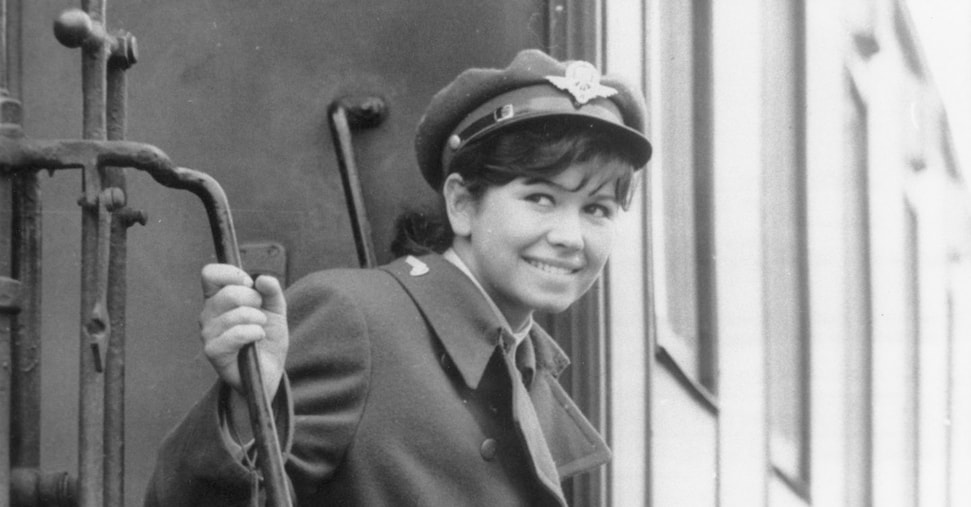
The Golden Age of Czechoslovak New Wave Cinema
In 1966, the Czechoslovak New Wave—or Nová Vlna—emerged as a major force in international cinema, capturing the attention of the Hollywood Academy. This period of intense creative output saw Czechoslovak films, such as Ján Kadár and Elmar Klos’s The Shop on Main Street and Jiří Menzel’s Closely Watched Trains, secure back-to-back Academy Award recognition, signaling a shift in global interest away from traditional Italian and French dominance.
Did You Know?
The Czechoslovak New Wave flourished despite strict political constraints, as filmmakers used allegory and metaphor to address historical trauma and existential themes, often in direct conflict with the state’s official socialist realism.
The Rise of the Nová Vlna
The success of the Czechoslovak film movement in the mid-1960s was driven by a unique confluence of political instability and artistic collaboration. As the regime faced economic depression and a decline in institutional credibility, filmmakers gained temporary space to experiment. This movement was bolstered by the contributions of literary figures including Milan Kundera, Bohumil Hrabal, and Ladislav Fuks, who provided the narrative foundations for these films.
Věra Chytilová was instrumental in this development, directing Something Different (1962) and Daisies (1966). While her work faced domestic censorship, it simultaneously represented the state at international festivals. Similarly, Miloš Forman gained early acclaim for Black Peter (1964) and The Loves of a Blonde (1967) before eventually relocating to the United States following the Prague Spring, where he later directed acclaimed films such as One Flew Over the Cuckoo’s Nest (1975).
Cinematic Themes and Political Resistance
The movement’s aesthetic often relied on dark humor and anti-heroic figures to challenge the prevailing political climate. In The Shop on Main Street (1965), directors Kadár and Klos examined the Holocaust through the lens of a “pure-blood” supervisor who develops an unexpected bond with the Jewish community. Menzel’s Closely Watched Trains (1966) employed a similar strategy, using the sexual awakening of a young station apprentice to explore the absurdity and oppression of the Nazi regime.
Expert Insight:
Samantha Carter notes that the “passive resistance” seen in these films—much like the character of Švejk—allowed directors to bypass state censors while critiquing the rigidity of authority. By focusing on the personal and the existential, these filmmakers created a distinct counter-narrative to the Soviet preference for purely realistic, non-metaphorical storytelling.
Legacy and Future Outlook
The impact of the Nová Vlna remains significant for film historians and international archives. While directors like Menzel faced prolonged professional setbacks—such as the suppression of Larks on a String (1968) until its 1990 Berlinale success—the movement’s films continue to circulate in contemporary festivals and digital platforms. Analysts expect that these works will continue to serve as a primary reference point for the study of 20th-century political cinema, particularly as restoration projects increase the availability of these titles for future generations of viewers.
Frequently Asked Questions
Why did Hollywood suddenly focus on Czechoslovak cinema in 1966?
The Academy’s interest was driven by the critical success of films like The Shop on Main Street and Closely Watched Trains, which offered a fresh perspective compared to the Italian and French films that had previously dominated the awards.

How did the political climate affect these filmmakers?
While the regime’s declining credibility allowed for a temporary “thaw” in censorship, many directors ultimately faced repression, censorship, or exile, as seen in the experiences of Věra Chytilová and Miloš Forman.
What role did literature play in the movement?
The movement relied on a collaboration between directors and a new generation of writers, including Milan Kundera and Bohumil Hrabal, whose complex, metaphorical language helped define the unique tone of the Nová Vlna.
Which elements of the Nová Vlna’s “passive resistance” do you find most relevant to contemporary storytelling?