
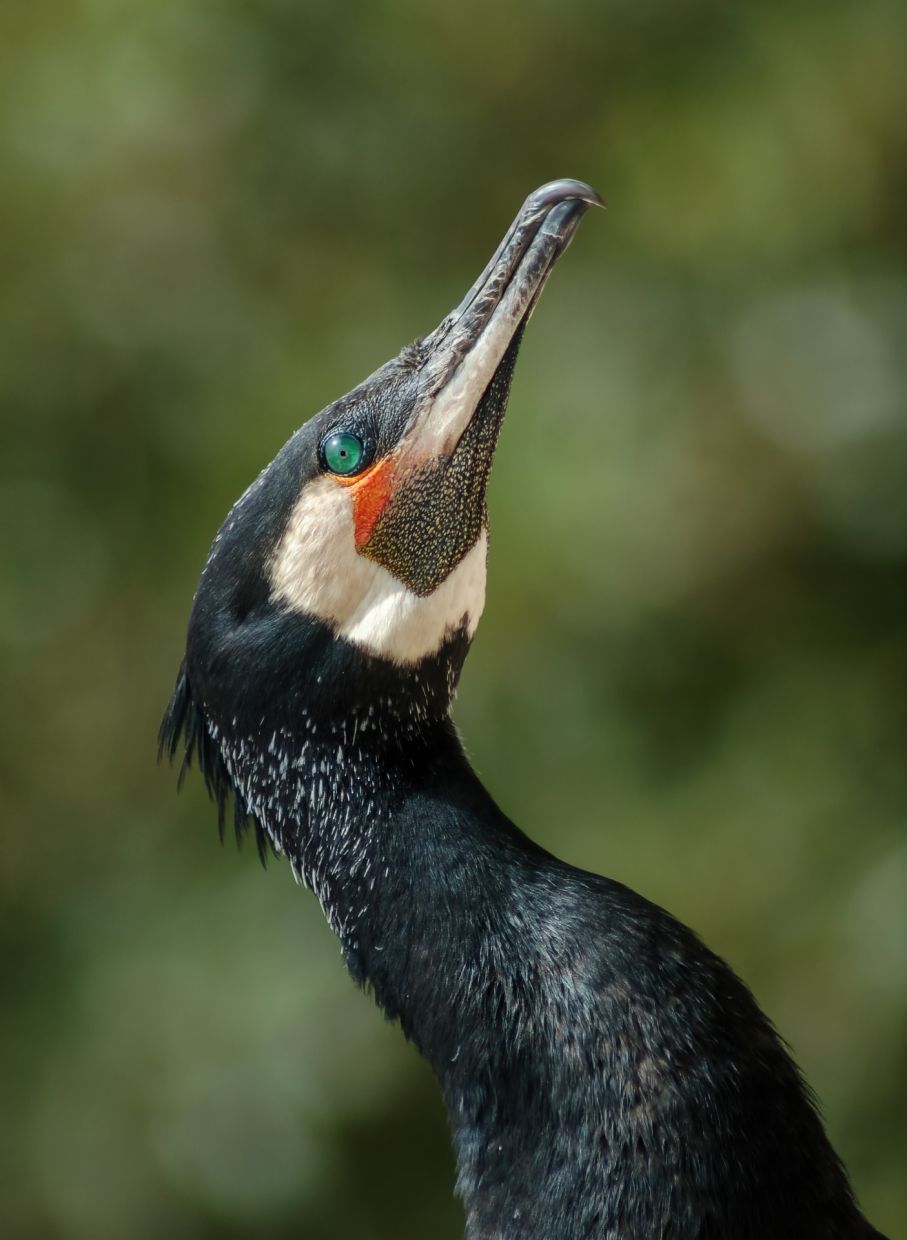
The great cormorant bird is eating too much fish, with some calling for a cull
A coalition of nine European Union nations is pushing to lower the protected status of the great cormorant, citing rising population numbers and declining fish stocks. According to a joint note submitted to EU agriculture and fisheries ministers in Brussels, member states argue the bird’s current conservation status prevents necessary population management. Conservation groups, including BirdLife International, oppose the move, asserting that cormorants are native predators and not the primary cause of industrial-scale fish stock depletion.
Why Are EU Nations Calling for a Cormorant Cull?
The push for a cull stems from the economic conflict between the protected bird and commercial fishing interests. According to the Czech Republic, Sweden, and seven other EU member states, an adult great cormorant consumes approximately 180kg of fish annually. This figure is contrasted against the average European Union citizen, who consumes roughly 23kg per year. Finnish Agriculture Minister Sari Essayah stated that the species is causing significant problems in the Baltic Sea, prompting the call to maintain population levels that are “ecologically and economically acceptable.”
The great cormorant was driven to the brink of extinction in the mid-20th century. According to a European Parliament report, there were only a few thousand breeding pairs remaining in the early 1960s before the species received formal protection in 1979.
What Is the Precedent for Changing Species Protection?
Proponents of the cormorant management plan may look to the recent shift in wolf protection policies as a roadmap. According to reports from AFP, the European Union successfully lowered the protection status of the wolf last year following similar arguments regarding livestock predation and population density. By following this established legal framework, member states hope to secure the necessary majority vote to allow for regulated hunting of the cormorant, which currently boasts a population of up to two million birds in Europe.

How Do Conservationists View the Proposal?
Conservation groups argue that the cormorant is being unfairly scapegoated for broader environmental issues. Marion Bessol of BirdLife International stated that nature should not be viewed as belonging exclusively to humans and that native predators possess an inherent right to their food sources. Opponents of the cull claim that reducing the bird population will not effectively restore fish stocks, as industrial overfishing and habitat degradation remain more significant factors in stock decline.
Pro Tip: Tracking Biodiversity Policies
For those interested in the intersection of environmental law and agriculture, monitor the European Commission’s official meeting minutes from the Brussels agriculture and fisheries sessions. These documents provide the most accurate timeline on whether the proposal moves from a discussion point to a formal legislative motion.
Frequently Asked Questions
How many great cormorants are in Europe today?
There are currently up to two million great cormorants in Europe, according to data cited by the European Parliament.
Why is there conflict between fishers and cormorants?
Fishers argue that the high daily consumption rate of the birds threatens local fish stocks and, by extension, the economic viability of commercial fishing operations in the Baltic Sea and other regions.

What is the current legal status of the great cormorant?
The great cormorant has been a protected species in Europe since 1979, a status that has allowed its population to rebound from a few thousand to two million over several decades.
Will a cull definitely happen?
Not necessarily. Proponents must first persuade a majority of EU states to support the proposal to lower the bird’s protection status.
What is your take on the balance between wildlife protection and commercial interests? Join the conversation by leaving a comment below or subscribe to our newsletter for updates on European biodiversity policy.