

The Greatest One Club Men in Football History
In the modern era of professional football, where transfer windows often dictate the movement of talent, a rare breed of player remains defined by a singular commitment. The “One Club Man” represents an increasingly elusive ideal: athletes who dedicate their entire professional careers to the colours of a single institution, becoming synonymous with the history and identity of their respective clubs.
From the legendary Lev Yashin, the only goalkeeper in history to claim the Ballon d’Or, to modern icons like Koke, these individuals have resisted the allure of the global transfer market. Their loyalty has not only shaped their personal legacies but has fundamentally altered the trajectory of the teams they served for decades.
The Architecture of Loyalty
The impact of these players is best measured through their longevity and the silverware secured during their tenure. Ryan Giggs, for instance, accumulated an extraordinary 35 titles with Manchester United, standing as the most decorated player in British football history. Similarly, Paolo Maldini’s twenty-five-season tenure at A.C. Milan resulted in over twenty major trophies, including five European Cups.

For players like Francesco Totti, who famously declined a move to Milan to remain at Roma, the choice to stay became a central pillar of the club’s identity. These careers demonstrate that sustained success is often built upon the stability that only long-term, singular dedication can provide.
Did You Know? Francesco Totti arrived at Roma’s youth system in 1989 after his mother personally rejected a significant offer from Milan, ultimately leading to a career that spanned 785 matches and 307 goals for the Roman side.
Historical Significance and Future Prospects
The significance of these careers lies in the continuity they provide. When a player like Carles Puyol or Jose Antonio Camacho anchors a defense for over a decade, they provide a tactical and emotional consistency that is difficult to replicate through short-term acquisitions. This deep-rooted connection often creates a bridge between different generations of fans and players.
Expert Insight: The “One Club Man” phenomenon serves as a stabilizing force in high-pressure environments. While the modern game incentivizes frequent movement, the presence of a long-term leader allows a club to maintain its tactical philosophy and cultural values across multiple managerial cycles, effectively serving as the heart of the organization.
Looking ahead, the landscape of professional football may see fewer of these figures due to the rising financial incentives and the competitive nature of global transfers. However, it is likely that clubs will continue to prioritize the development of homegrown talent, potentially fostering the next generation of players who choose to define their entire careers by a single badge.
Frequently Asked Questions
Who is the only goalkeeper to win the Ballon d’Or?
Lev Yashin, known as ‘The Black Spider,’ is the only goalkeeper to have won the award, achieving the honor in 1963 while playing for Dynamo Moscow.
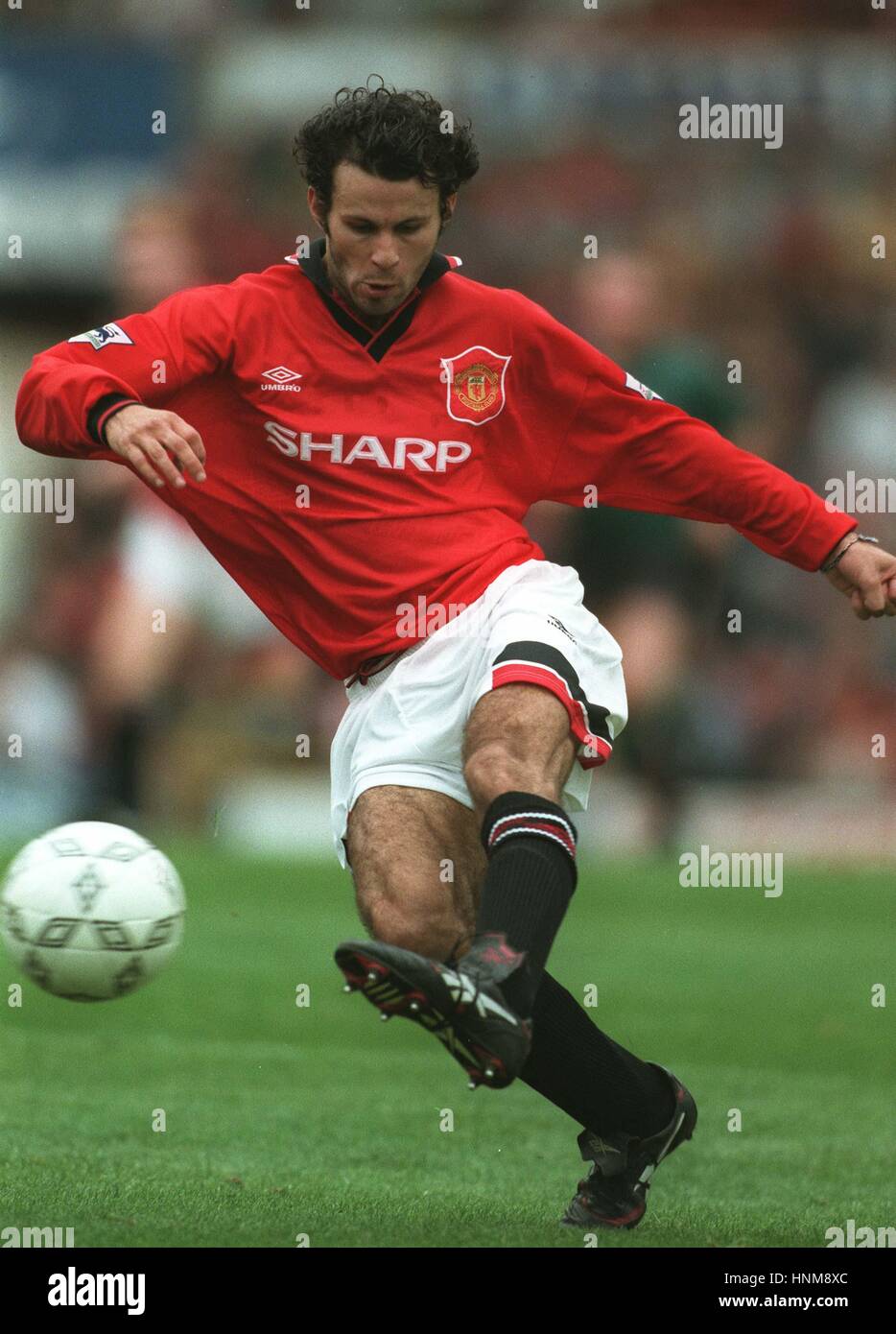
Which player holds the record for the most titles in British football history?
Ryan Giggs is the most decorated player in British football, having secured 35 titles during his twenty-four seasons with Manchester United.
Is there any player on this list still active in professional football?
Yes, Koke remains the only player mentioned who is still active, continuing his long-standing career with Atlético de Madrid.
In an age of constant change, does the legacy of a “One Club Man” hold more value for a team than the acquisition of high-profile international talent?