

The Health Benefits of Walking: Why It Is the Best Natural Medicine
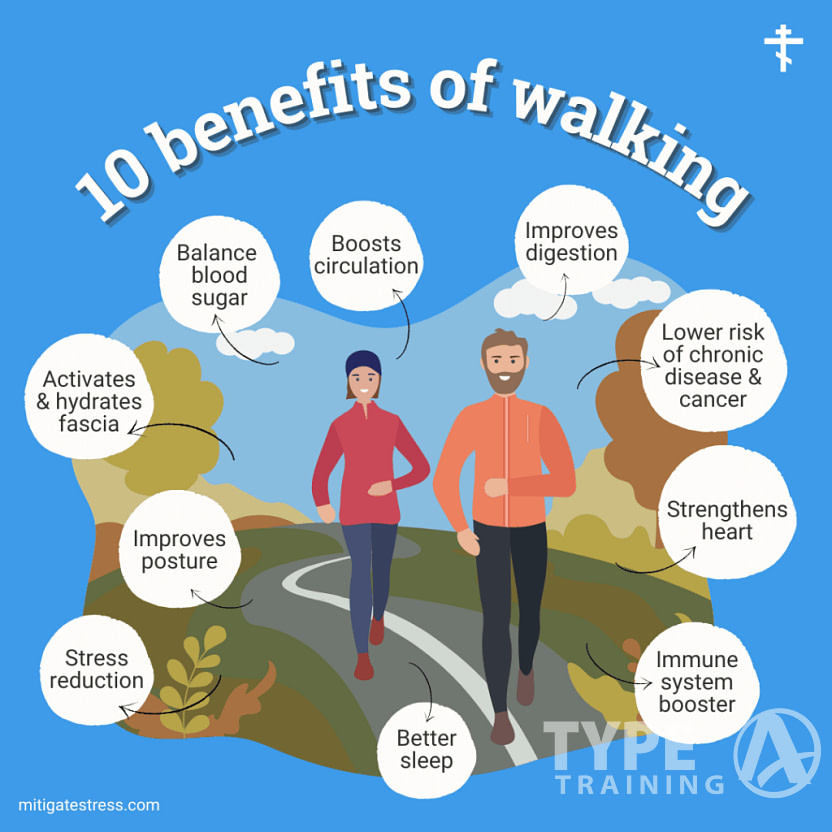
Daily brisk walking for as little as five minutes can prevent up to 6% of all deaths among inactive individuals, according to a study published in The Lancet. Researchers monitoring over 135,000 adults across Europe and the U.S. found that increasing physical activity from one to six minutes per day correlates with a 30% reduction in mortality risk. This simple, accessible movement triggers the release of myokines, substances that regulate metabolism and protect against cardiovascular disease, diabetes, and certain cancers.
Why walking functions as a physiological medicine
Walking is a fundamental biological requirement for human health, according to Gianfranco Beltrami, cardiologist and vice president of the Federazione Medico Sportiva Italiana. When muscles contract during movement, they release myokines into the bloodstream, which help control blood glucose levels and reduce visceral fat. This process effectively lowers the risk of heart attack and stroke by managing blood pressure and cholesterol levels, while simultaneously stimulating bone tissue production to prevent fractures.
Did You Know? The widely cited 10,000-step daily goal originated as a marketing strategy for a Japanese pedometer company in the 1960s, rather than emerging from a clinical study.
How nature impacts cognitive health
Walking in natural environments reduces stress and improves mood more effectively than urban movement, according to a study in Neuroscience and Biobehavioral Reviews. By analyzing 108 neuroimaging studies, researchers observed that exposure to nature shifts brain activity toward “relaxed alertness” and decreases cognitive load. Marcello Massimini, a neurophysiologist at the University of Milan, explains that natural environments contain “fractal” patterns—such as the geometry of leaves or coastlines—that the brain processes more efficiently than the chaotic stimuli of urban traffic and noise.

The impact of sedentary behavior on long-term health
Modern industrial society has created an “evolutionary mismatch,” where humans, biologically adapted for high levels of activity, remain largely sedentary, according to research in Current Biology. While historical hunter-gatherer populations like the Hadza or Tsimane maintain 10,000 to 18,000 steps daily, the average person in industrialized settings records only 5,000 steps—a level comparable to chimpanzees. This lack of movement prevents the body from triggering necessary repair processes, a phenomenon evolutionary anthropologist Daniel Lieberman describes as the “active grandparent hypothesis.”
Expert Insight: The distinction between “passive” and “active” sedentary time is critical. Mats Hallgren of the Karolinska Institutet notes that while sitting to watch television is linked to higher dementia risks, sitting to perform cognitively stimulating tasks, such as reading or solving puzzles, may offer a protective effect.
What happens next for urban planning and public health
Future shifts toward “walkable” cities could significantly improve public health outcomes. Research published in Nature indicates that moving to pedestrian-friendly environments leads to an average increase of 1,100 steps per day. Luca Daconto, a sociologist at the University of Milano-Bicocca, suggests that prioritizing walkability is a matter of urban justice, as it serves as the most universal form of mobility for vulnerable populations. As cities potentially adapt to these findings, planners may focus on inclusive infrastructure to reduce the reliance on automobiles, even for short-distance trips.
Frequently Asked Questions
How many steps should I take per day?
There is no universal number, but experts generally suggest 8,000 steps for those over 60 and 5,000 for those over 70. Factors such as age, weight, and existing health conditions determine the ideal target.
Is it better to walk all at once or in intervals?
Fractions of 30 minutes, performed three to five times a week, are as effective as a single session. Breaking activity into smaller segments throughout the day is an effective starting point for those who are inactive.
Does the type of sedentary activity matter?
Yes. Research indicates that passive sedentary behavior, such as watching television, is associated with a higher risk of dementia compared to cognitively stimulating sedentary activities like reading.
How will you incorporate more movement into your daily routine starting today?