

The Importance of Prenatal Care in Preventing Congenital Syphilis
Prenatal care serves as a critical foundation for maternal and infant health, providing a window for medical professionals to detect and manage conditions that could otherwise jeopardize a pregnancy. By engaging with care early, patients can receive timely interventions—such as antibiotics for urinary tract infections, dietary adjustments for elevated blood sugar, or daily baby aspirin for those at risk of pre-eclampsia, a condition marked by dangerously high blood pressure in the final stages of pregnancy.
The Growing Challenge of Congenital Syphilis
Beyond standard health screenings, prenatal care is essential for preventing the transmission of infectious diseases. Syphilis, a bacterial infection, can be passed from a pregnant patient to their baby, resulting in congenital syphilis. This condition is particularly dangerous, as it can lead to miscarriage, stillbirth, or infant death, and may cause lifelong medical complications for survivors.
Public health experts currently recommend that all pregnant patients be tested for syphilis at their initial prenatal visit and again before delivery. Because the infection is treatable with antibiotics, early detection is the most effective way to prevent transmission to the fetus.
Barriers to Essential Care
Despite the known benefits of early intervention, access to prenatal care is declining for many. A 2024 March of Dimes report highlights the emergence of “maternity care deserts,” identifying that over a third of U.S. Counties currently lack a single obstetrician, nurse, midwife, or medical center specializing in maternity services.
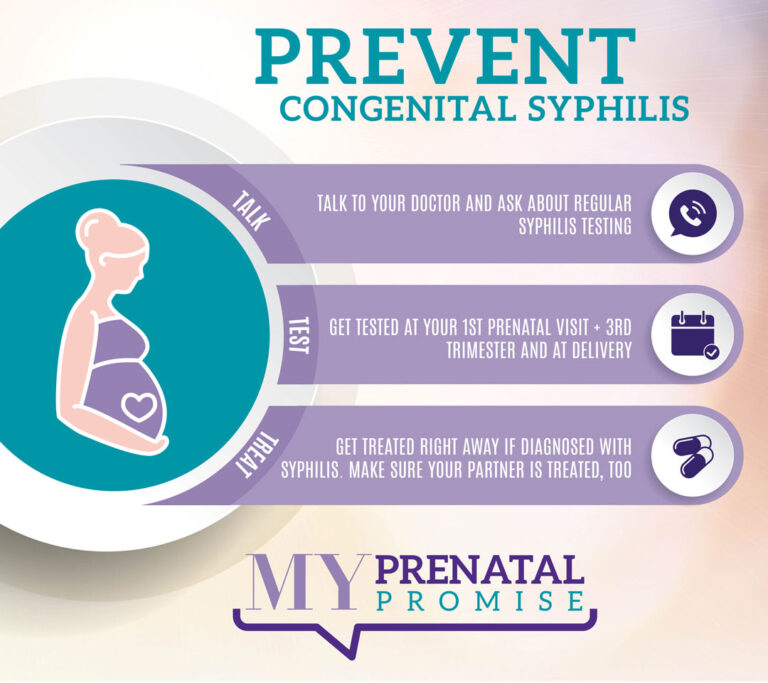
The implications of these gaps in care are significant. If access to facilities continues to diminish, it is likely that fewer patients will be able to receive the necessary screenings and treatments, potentially leading to a continued rise in preventable complications. As a possible next step, public health experts are urging states and the federal government to address these structural barriers to ensure that all pregnant patients can secure the care they need.
Frequently Asked Questions
What is congenital syphilis?
Congenital syphilis occurs when a pregnant patient with a syphilis infection passes the bacteria to their baby. It is a dangerous condition that can lead to miscarriage, stillbirth, infant death, or lifelong medical issues for the child.
Why is prenatal care considered essential?
Prenatal care allows doctors to identify and treat health issues early. This includes managing conditions like urinary tract infections, high blood sugar, and the risk of pre-eclampsia, as well as screening for infections that could be passed to the baby.
What are maternity care deserts?
These are areas, specifically defined as over one-third of U.S. Counties, that do not have a single doctor, nurse, midwife, or medical center specializing in maternity care.
How can communities better support expectant parents in accessing the essential healthcare services they need?