

The Legacy of Rafael Calleja: The Story Behind the Burgos Anthem
Rafael Calleja, a prominent 20th-century Spanish composer, remains a defining figure in the nation’s lyrical history, known for his prolific career and his enduring connection to his birthplace, Burgos. Following his death in Madrid in 1938, his remains were eventually moved to Burgos to fulfill his final testamentary wish. While a long-standing family legend suggests that musical documents were buried alongside him, there is no documentary evidence to confirm this account.
The Legacy of Rafael Calleja
Calleja’s contributions to the Spanish lyrical genre were extensive, spanning over 300 works, including zarzuela, operettas, and various short pieces. According to his grandson, Emilio Calleja, the composer maintained a deep pride in his origins throughout his life. During his career, he collaborated with notable authors such as Carlos Arniches, Álvarez Quintero, and Muñoz Seca, while also directing orchestras and managing theaters during the height of the zarzuela’s popularity as a primary form of social entertainment.
Did You Know?
The Himno a Burgos was originally commissioned by Mayor Ricardo Amézaga and poet Marciano Zurita as a school song before being officially adopted as the city’s anthem during the 1926 San Pedro and San Pablo festivities.
The Future of the Composer’s Archive
Emilio Calleja has spent several decades documenting the life and artistic output of his grandfather. He is currently working on a book that aims to consolidate a significant portion of the composer’s biographical and artistic production. As this project progresses, it is likely to offer a more comprehensive view of Calleja’s influence on Spanish music, potentially clarifying the historical record regarding his personal archives and professional legacy.
Expert Insight:
The persistence of the family legend regarding the buried documents highlights the cultural weight of Calleja’s work. While the lack of physical evidence keeps the story in the realm of myth, it serves as a testament to the emotional bond between the artist and his local community, which continues to find profound meaning in his musical compositions nearly a century later.
Frequently Asked Questions
Where was Rafael Calleja buried?
Although he died in Madrid in 1938, his remains were later transferred to Burgos to honor the request he made in his will.
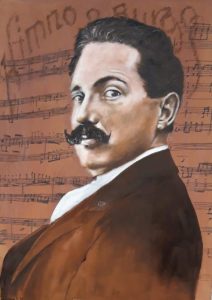
What is the origin of the Himno a Burgos?
It was commissioned by Mayor Ricardo Amézaga and poet Marciano Zurita. Initially intended as a school song, it was officially proclaimed the Himno a Burgos during the 1926 festivities of San Pedro and San Pablo.
Is there evidence that musical documents were buried with the composer?
No. While a family legend claims that documents related to his work were included in his final journey, there is no documentary evidence to support this.
How does the preservation of local artistic legacies, such as the Himno a Burgos, shape a city’s identity over the course of a century?