
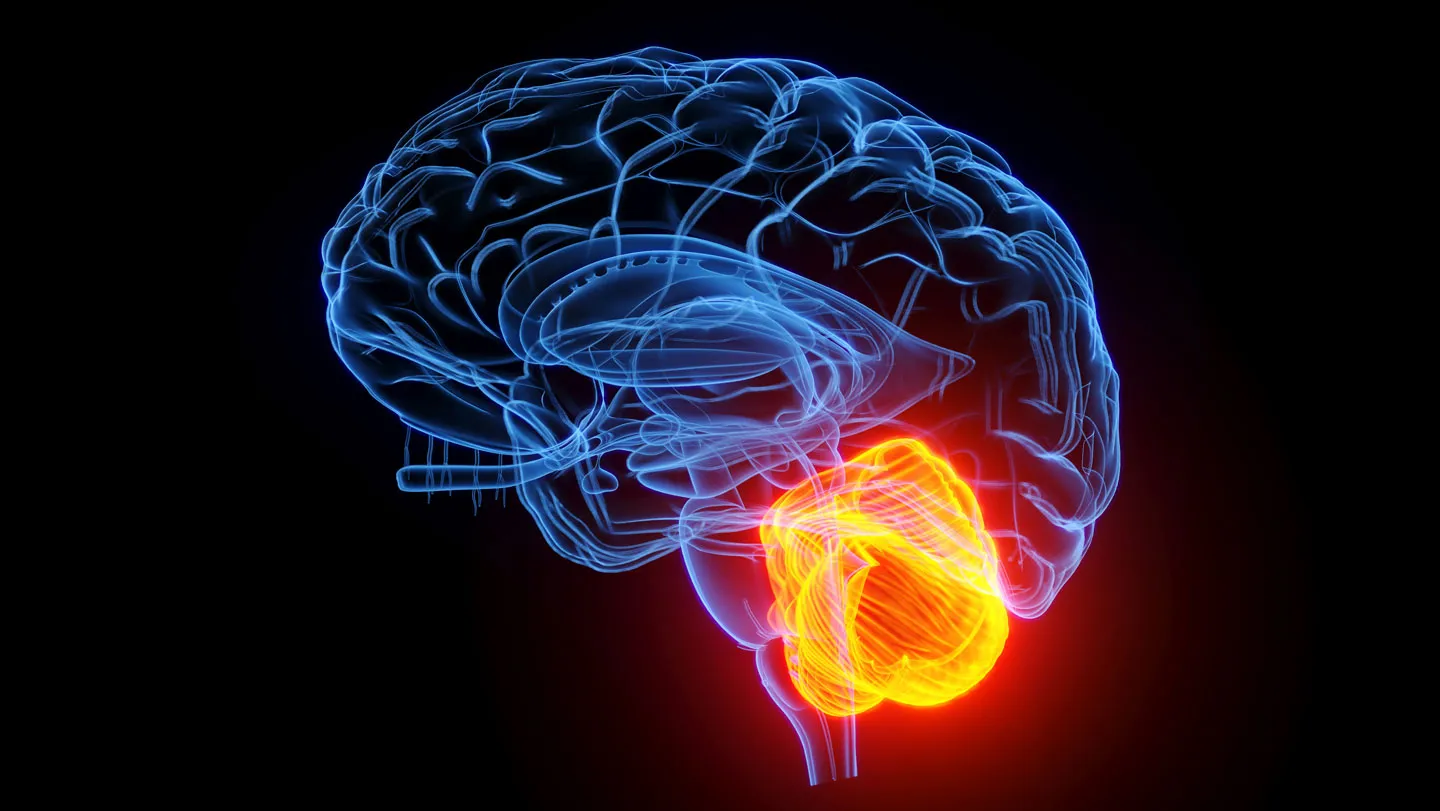
The ‘little brain’ may give the aging mind a big boost
The cerebellum, a region of the brain traditionally associated with the coordination of physical movement, may play a broader role in human cognition than previously understood. Recent evidence suggests that this structure could serve as a compensatory mechanism, stepping in to support mental functions when other areas of the brain experience decline.
The Role of the Cerebellum in Cognitive Health
Researchers are investigating the possibility that the cerebellum acts as a functional backup system. When primary cognitive centers in the brain face challenges or diminished capacity, the cerebellum may assist in maintaining mental performance.
What Happens Next for Brain Research
As scientists continue to map these compensatory pathways, the focus is likely to shift toward how this mechanism influences long-term brain resilience. Future research may determine if the cerebellum’s involvement can be strengthened or if its capacity to compensate is limited by the severity of decline in other regions.
Frequently Asked Questions
Is the cerebellum only responsible for physical movement?
No, while it is most known for its role in movement, the cerebellum may also compensate for flagging mental functions in other parts of the brain.
How does the cerebellum interact with other brain functions?
The cerebellum may provide support for cognitive processes when other areas of the brain are not functioning at full capacity.
What is the significance of this discovery?
This understanding of the cerebellum suggests it serves as a compensatory mechanism, potentially helping to maintain cognitive performance during periods of brain decline.
How might this shift in understanding the cerebellum change the way we approach the treatment of cognitive decline?