
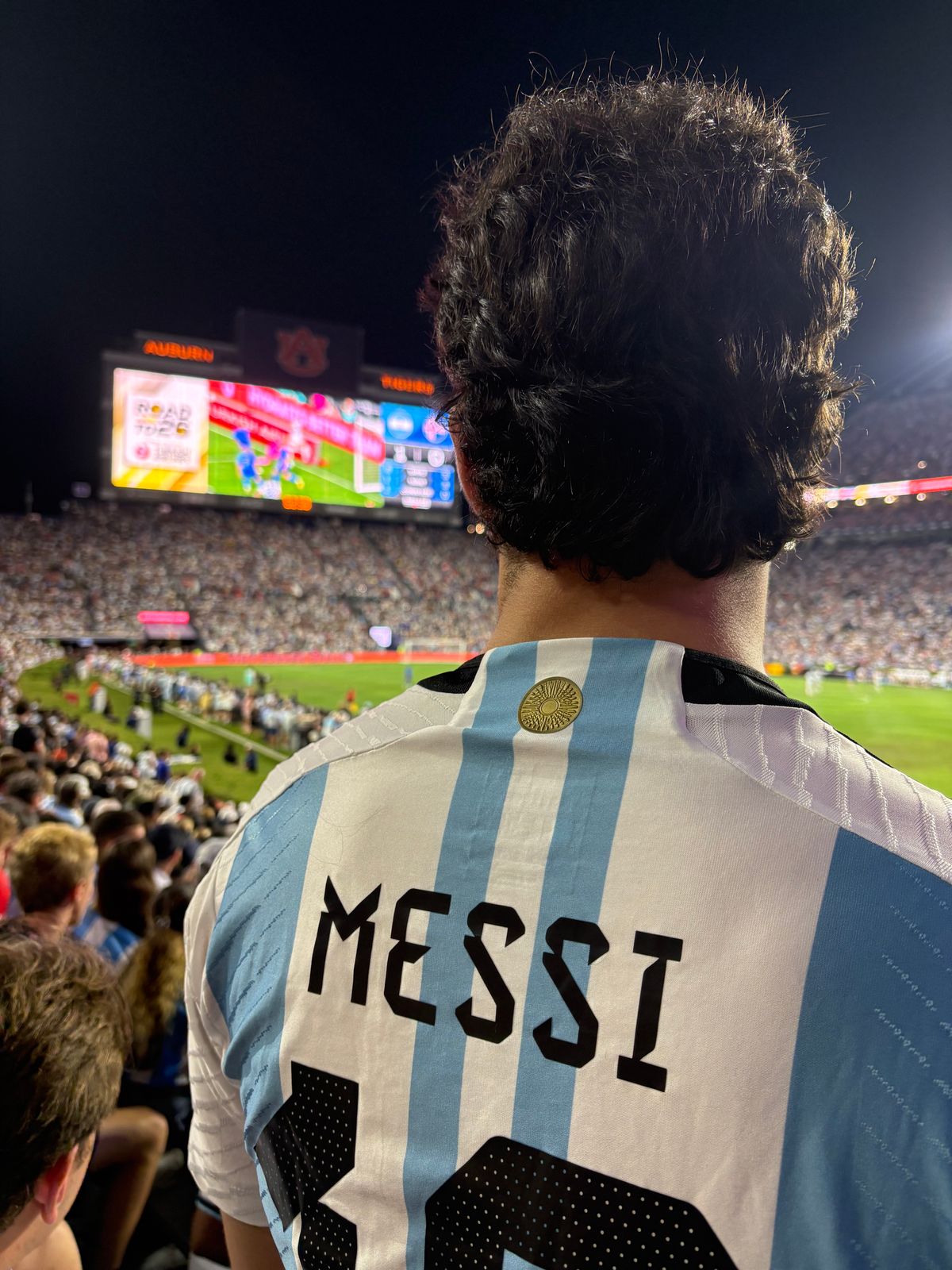
The Messi Effect: When Auburn Became Argentina
Lionel Messi’s appearance in Auburn, Alabama, signals a rise in “hyper-celebrity sports tourism,” where a single athlete’s global brand can temporarily redefine a city’s cultural and economic identity. According to eyewitness reports from a recent match, the 38-year-old’s presence transformed a traditional American college town into a “home game for Argentina,” drawing fans from over 5,000 miles away.
How does the “Messi Effect” impact non-traditional sports markets?
The ability of a single player to shift the atmosphere of a city is a growing trend in global sports. In Auburn, fans began chanting Messi’s name within five minutes of kickoff, even while he remained on the bench. This suggests that the draw is no longer the team or the sport itself, but the individual celebrity.
According to match reports, the crowd’s reaction to Messi’s image on the 10,830 square foot scoreboard mirrored the intensity of a goal being scored. This level of engagement indicates that “player-centric” fandom is eclipsing traditional team loyalty, allowing sports entities to monetize markets that previously had little interest in the game.
Why is soccer penetrating traditional American football strongholds?
The intersection of soccer and the Southeastern Conference (SEC) culture represents a significant shift in U.S. sports consumption. While Auburn is historically dominated by American football, the Messi match brought together a diverse demographic, from Argentine teenagers to local residents learning the rules of soccer in real-time.
This contrast highlights a trend where global icons serve as the “entry point” for new fans. When Messi entered the match in the 70th minute at 8:10 p.m., the crowd noise reportedly matched that of a high-stakes SEC touchdown. By anchoring the sport to a recognizable face, leagues are bypassing the slow process of organic growth and instead using “superstar catalysts” to create instant demand.
Comparison: Team Loyalty vs. Individual Brand
Historically, sports tourism revolved around the venue or the team. The Auburn event flips this model:
- Traditional Model: Fans travel to see the Auburn Tigers play a rival.
- Messi Model: Fans travel to see a specific human being, regardless of the city or the opposing team.
What happens when individual brands eclipse team loyalty?
The trend toward “nomadic fandom” means athletes now carry their own ecosystems. Messi’s ability to secure a 3-0 victory for Argentina, highlighted by a successful penalty kick, serves as a tangible product that fans will pay to see anywhere in the world.
Industry analysts suggest this will lead to more “pop-up” sporting events in cities without professional soccer infrastructure. If a player can transform a city’s identity for a single night, the financial incentive for exhibition matches in non-traditional markets increases. This reduces the reliance on permanent stadium leases and increases the value of short-term, high-impact appearances.
Frequently Asked Questions
Can one athlete really change a city’s economy?
Yes. According to observed trends, the influx of international travelers and the surge in local interest during a Messi appearance drive immediate revenue for hotels, transport, and local vendors, effectively creating a temporary “sports bubble.”
Is this trend limited to soccer?
While most prominent in soccer due to its global reach, similar patterns are appearing in Formula 1 and tennis, where specific stars drive ticket sales in regions where the sport was previously niche.
How does this affect local sports culture?
It creates a hybrid environment. In Auburn, the “passion” of Argentine fans blended with the curiosity of locals, expanding the sports literacy of the community without erasing existing local traditions.
For more insights on the globalization of sports, visit FIFA or explore our latest analysis on emerging sports markets.