
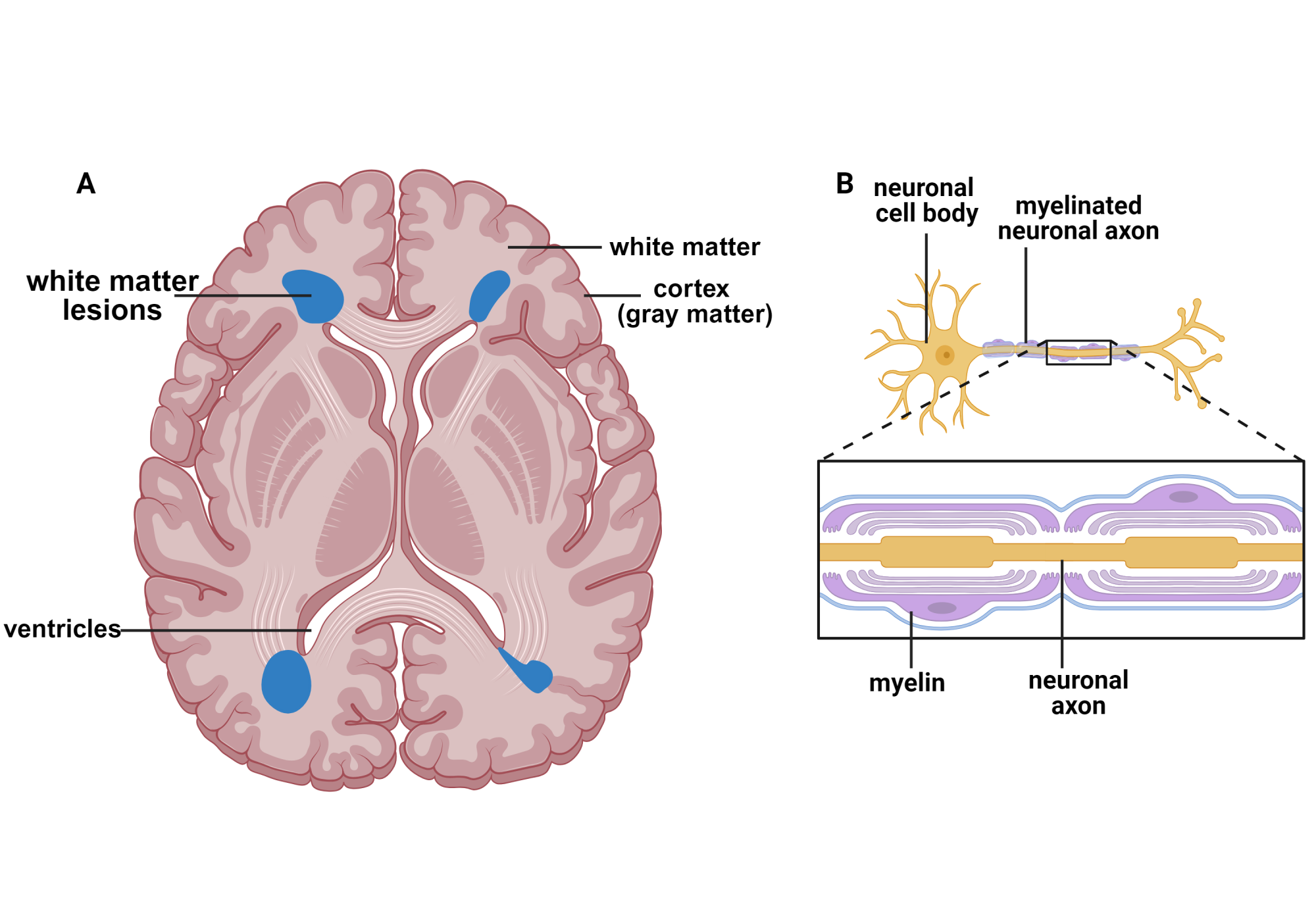
The micro-structural changes in white matter fibers associated with anxiety and depression in moderate-severe obstructive sleep apnea
Researchers have identified a more sensitive method for detecting white matter changes in the brains of individuals suffering from moderate-to-severe obstructive sleep apnea (OSA). By comparing two different imaging analysis techniques, the study highlights a critical link between brain structure and mental health challenges.
Comparing Imaging Technologies
The study involved 33 untreated patients with moderate-to-severe OSA and 28 individuals identified as good sleepers without sleep disorders. All participants underwent 3.0T MRI scans to evaluate their brain health.
Two specific methods were tested: Tract-Based Spatial Statistics (TBSS) and Automated Fiber Quantification (AFQ). While TBSS was used to construct white matter skeletons, AFQ extracted 20 major fiber tracts, dividing each into 100 nodes for precise localization.
Key Findings in Brain Structure
The results revealed a stark difference in sensitivity between the two methods. TBSS showed no significant group differences after correction, meaning it failed to detect the alterations present in the OSA group.

In contrast, AFQ successfully identified significant changes. These included decreased fractional anisotropy at nodes 77–78 of the forceps major and increased mean diffusivity at nodes 23–24 of the right thalamic radiation.
AFQ found increased axial diffusivity in nodes 66–68 of the right superior longitudinal fasciculus and nodes 54–57 of the right inferior fronto-occipital fasciculus.
The Link to Anxiety and Depression
The study explored how these physical brain changes correlate with psychological symptoms. Researchers found that the decreased fractional anisotropy in the forceps major was positively correlated with anxiety scores.
the increased axial diffusivity in the right inferior fronto-occipital fasciculus showed a negative correlation with both anxiety and depression scores.
These findings suggest that white matter alterations, particularly in the corpus callosum and right inferior fronto-occipital fasciculus, are linked to the neuropathological mechanisms of anxiety and depression in OSA patients.
Potential Implications
Because AFQ is more sensitive than TBSS, it may become a preferred tool for investigating focal white matter changes in sleep-related disorders.
This precision could lead to a deeper understanding of how OSA impacts the brain. Future research may use these insights to better explore the biological drivers of mood disorders in patients with sleep apnea.
Frequently Asked Questions
Which MRI analysis method proved more effective for detecting changes in OSA patients?
Automated Fiber Quantification (AFQ) was more sensitive than Tract-Based Spatial Statistics (TBSS), as it could precisely localize focal white matter changes that TBSS failed to detect.
Who participated in this brain imaging study?
The study included 33 untreated patients with moderate-to-severe obstructive sleep apnea and 28 good sleepers who did not have sleep disorders.
How are brain changes in OSA linked to mental health?
White matter alterations in the corpus callosum and the right inferior fronto-occipital fasciculus were linked to anxiety and depression, providing insight into the neuropathological mechanisms of these conditions in OSA patients.
How might more precise brain imaging change the way we approach the treatment of sleep-related mental health challenges?