

The Mystery of the English Letters Purportedly Signed by El Chapo
The U.S. District Court for the Eastern District of New York has received more than 20 letters purportedly written by imprisoned Sinaloa cartel leader Joaquín “El Chapo” Guzmán since April 10, 2026. While the letters claim to be from the drug kingpin, his defense attorney, Mariel Colón Miró, and U.S. law enforcement sources have dismissed the correspondence as fraudulent, noting that the envelopes were postmarked in Mississippi rather than the Colorado facility where Guzmán is held in isolation.
Did You Know? Despite his reputation for running a multinational drug-smuggling enterprise, Joaquín “El Chapo” Guzmán was functionally illiterate, having left school around the third grade, and historically communicated with underlings by scribbling messages in broken Spanish.
Who is sending the letters to the court?
Attorneys for the Sinaloa cartel leader have confirmed they are investigating the origin of the letters, which have been arriving at the Brooklyn federal court with increasing frequency. Defense attorney Mariel Colón Miró stated that she and her team played no part in sending the messages, calling the author “somebody crazy.” A U.S. law enforcement source familiar with the case similarly dismissed the documents as “complete bull—” and suggested they may be the work of a mentally ill individual.
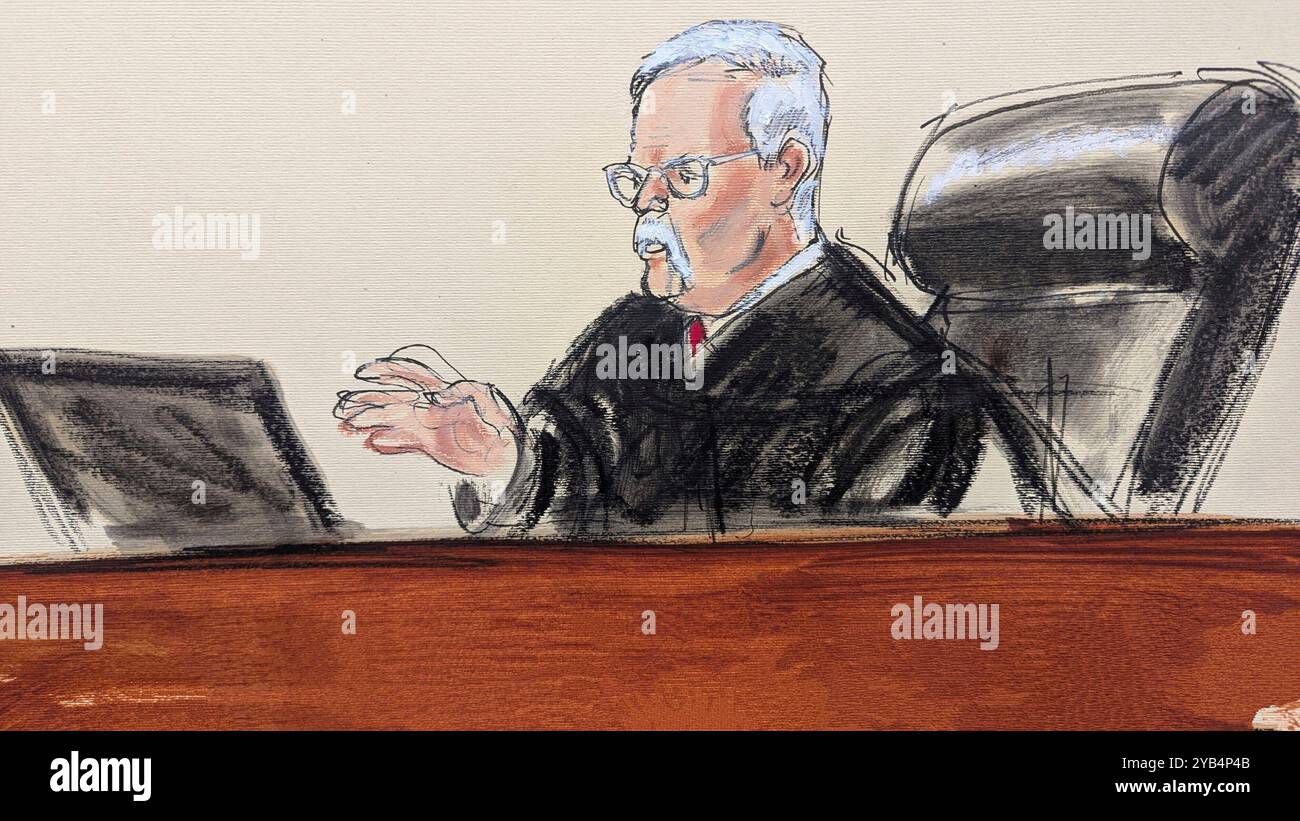
One document postmarked June 10 appears to link the correspondence to an individual named Aubrey Gideon, who resides in Greenwood, Mississippi. Public records confirm that a man by that name has a prior 2009 conviction for cocaine possession. Judge Brian Cogan, who presided over Guzmán’s 2019 trial, has already issued a May 4 order denying the requests made in the letters, stating that they hold no legal merit.
How does the isolation affect the prisoner?
The letters arrive against the backdrop of Guzmán’s ongoing legal battle regarding his incarceration conditions at ADX Florence. In a civil rights lawsuit filed in July 2024, the former cartel leader alleged that he is held in such strict isolation that he has no contact with anyone who speaks his language. He further claimed that he suffers from severe sleep deprivation and physical pain caused by hot air being pumped into his cell.
Expert Insight: The legal challenges surrounding Guzmán’s imprisonment highlight the tension between strict Special Administrative Measures (SAMs) and the constitutional protections afforded to inmates. While defense attorney David Lane argues that the conditions violate the 8th Amendment’s prohibition on cruel and unusual punishment, courts have thus far upheld the current restrictions on his contact with the outside world.
What happens next in the case?
While a judge dismissed Guzmán’s civil rights lawsuit on June 9, his pro bono attorney, David Lane, has indicated plans to file a new complaint. The legal team maintains that the current level of isolation, which prevents the prisoner from seeing direct sunlight, is unconstitutional. Meanwhile, the court continues to receive unsolicited correspondence referencing the imprisoned leader, with the most recent messages mentioning current Mexican leadership and asserting that he has not attempted to escape from U.S. custody.
Frequently Asked Questions
Are the letters actually from El Chapo?
No. His defense attorney, Mariel Colón Miró, and U.S. law enforcement sources have stated the letters are not from him, noting they are postmarked in Mississippi rather than the Colorado prison where he is held.

Why are these letters being sent to the court?
The letters contain complaints about the fairness of Guzmán’s prosecution and requests for his return to Mexico. Some documents appear to be linked to an individual named Aubrey Gideon, who has a history of sending legal petitions to courts.
Can Guzmán communicate with other prisoners?
No. While court filings indicate he previously communicated with a neighboring inmate, James “Jimmy” Sabatino, by shouting through walls, those two individuals have since been separated by prison officials.
Do you believe the public nature of these court filings could be used to influence the perception of high-profile inmates?