

The New Era of Warfare: How Low-Cost Drones and AI Are Changing the Battlefield
The conflict involving Iran has introduced a new era of warfare where traditional firepower is no longer the sole determinant of success. According to reports, the integration of low-cost suicide drones and advanced artificial intelligence systems has fundamentally redefined the cost and speed of modern military engagements.
The cost disparity between offensive drones and defensive systems is significant: an Iranian Shahed-series drone costs between $20,000 and $50,000, while a single U.S. Patriot interceptor missile is valued at approximately $4 million.
The Shift Toward Cost-Efficient Warfare
Iran utilized a strategy of mass-deploying affordable Shahed-series drones to overwhelm sophisticated air defense networks. During the first week of the conflict starting February 28, Iran launched over 1,000 drones alongside hundreds of missiles against Israel and U.S. allies in the Gulf. This tactic forced a surge in operational costs for the U.S., with the Financial Times reporting in April that American forces were spending roughly $500 million per day on the conflict.

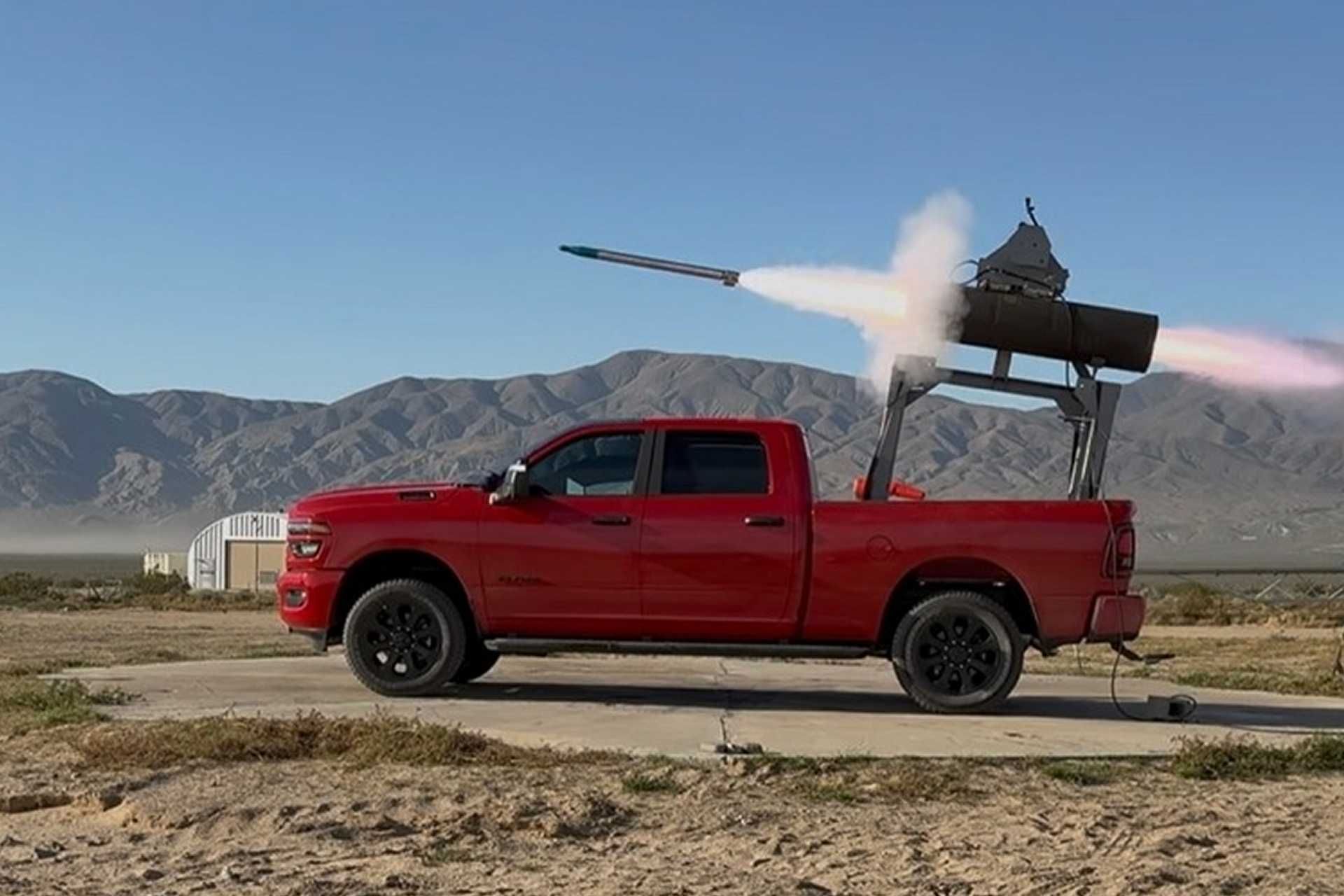
The effectiveness of these low-cost assets has prompted shifts in military procurement. Gulf nations have begun expressing interest in low-cost, Ukrainian-style interceptor drones, while the U.S. has introduced the LUCAS unmanned combat system into active service. This transition marks a departure from reliance on high-end platforms as military commanders increasingly prioritize expendable, low-cost weaponry.
Samantha Carter notes that the reliance on low-cost swarms forces a strategic trade-off for established powers. By forcing militaries to expend multi-million dollar interceptors on inexpensive drones, current combatants are successfully inflating the economic burden of defense, a trend that may lead to a permanent restructuring of how nations maintain air superiority.
The Role of Artificial Intelligence in Targeting
The U.S. military relied heavily on AI to manage the pace of strikes, processing 1,000 targets within the first 24 hours of combat. Systems such as Palantir’s Maven Smart System were used to aggregate satellite imagery and surveillance data to prioritize targets, while Anthropic’s Claude was employed for information summarization and damage assessment.
General Brad Cooper, commander of U.S. Central Command, stated that AI assists commanders by filtering vast amounts of data in seconds to facilitate faster decision-making. However, this increased speed carries inherent risks. A U.S. internal investigation revealed that an AI-driven strike on an Iranian girls’ school, which resulted in 170 deaths, occurred because the system relied on outdated coordinate data. The AI failed to identify that the facility had been separated from a nearby Islamic Revolutionary Guard Corps (IRGC) naval base.
Future Implications for Global Conflicts
As AI and low-cost drones become standard, future military scenarios are likely to involve even faster, more automated engagement loops. Analysts expect that nations will face mounting pressure to refine AI data accuracy to avoid catastrophic targeting errors. Furthermore, the reliance on high-cost interceptors may continue to decline as defense budgets are forced to adapt to the economic reality of drone-swarm warfare.
Frequently Asked Questions
What is the primary advantage of the drones used by Iran?
The primary advantage is cost-effectiveness. By using drones that cost between $20,000 and $50,000, Iran can overwhelm expensive defensive systems like the $4 million Patriot missile, forcing a massive disparity in military spending.
How did AI contribute to U.S. military operations?
AI systems like Maven and Claude were used to categorize targets, prioritize strike lists, summarize intelligence, and conduct post-strike damage assessments, allowing for the processing of 1,000 targets in the first 24 hours of the conflict.
What caused the accidental strike on the girls’ school?
According to U.S. government internal investigations, the strike resulted from an AI system relying on outdated coordinate information. The system failed to recognize that the school was no longer part of an IRGC naval facility.
How might the integration of AI-driven combat systems change the way civilian safety is managed in future high-speed conflicts?