
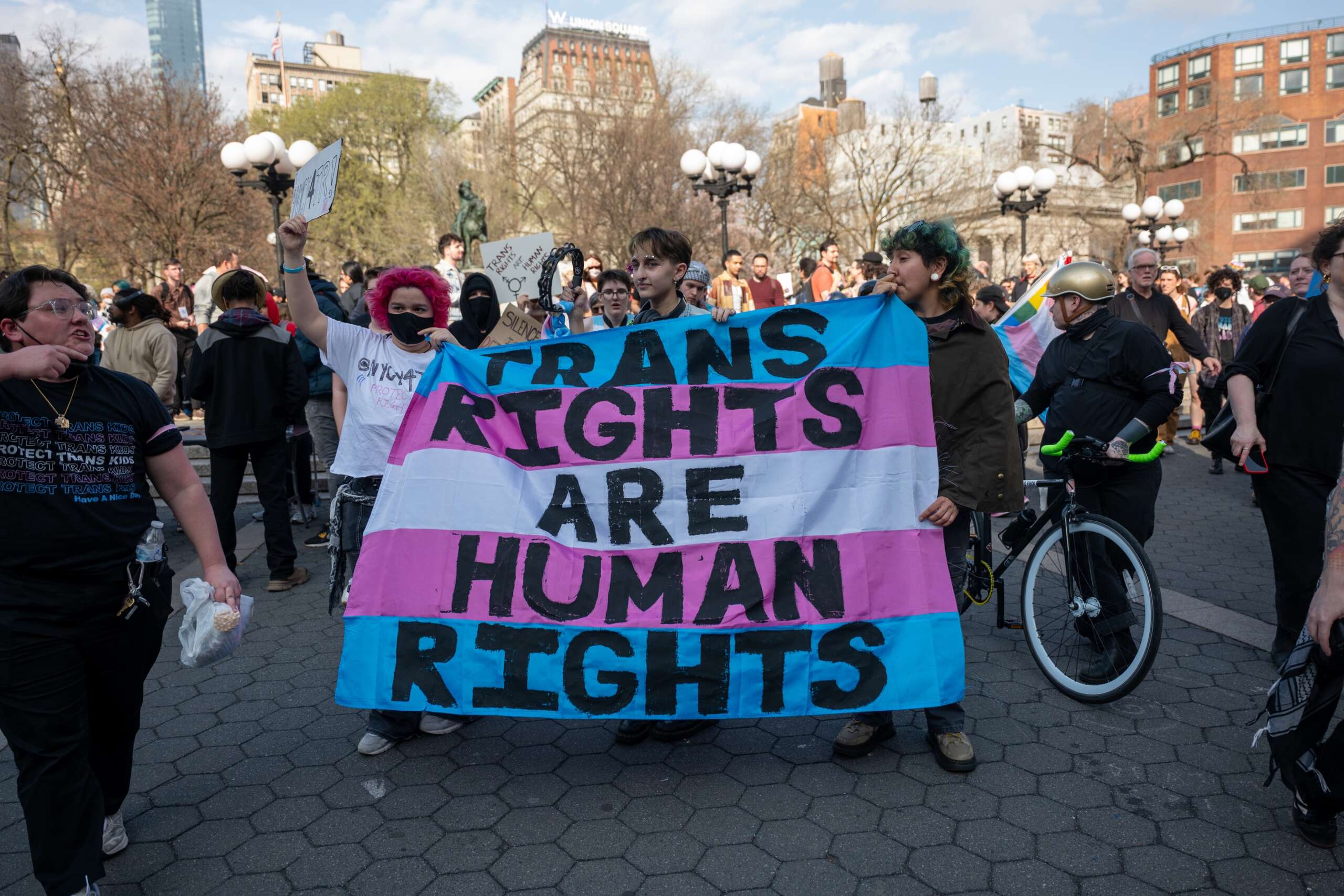
The New Red Scare: The Government’s Campaign Against Transgender Healthcare
The federal government has initiated a legal campaign against the World Professional Association for Transgender Health (WPATH), alleging the nonprofit organization violated the FTC Act by providing medical providers with the means to make unsubstantiated claims regarding pediatric transition services. This action, brought by the Federal Trade Commission and the attorneys general of Texas, Alaska, Iowa, and Nebraska, marks a significant escalation in federal efforts to regulate transgender healthcare and the institutions that support it.
The Legal Strategy Behind the WPATH Lawsuit
The lawsuit against WPATH utilizes consumer protection laws typically reserved for curbing deceptive commercial practices, such as the sale of fake cancer cures. According to the complaint, the organization’s publication of clinical guidelines for transgender healthcare constitutes a violation of the FTC Act. However, WPATH operates as a nonprofit medical advocacy group rather than a commercial vendor, and its guidelines have historically informed medical standards used by major American health organizations to expand insurance coverage and care for transgender patients.
Did You Know? WPATH was originally incorporated in Texas in 1980, a 46-year-old filing that the government is now using as the basis for venue justification to bring the case before a specific court in the Northern District of Texas, despite the organization’s principal place of business being in East Dundee, Illinois.
Comparison to Historical Government Overreach
The current federal approach mirrors the investigative tactics employed by the House Un-American Activities Committee and Senator Joseph McCarthy during the Red Scare of the 1940s and 1950s. Much like the government’s past use of subpoenas and threats of institutional destruction to target individuals based on their associations and published views, critics argue the administration is now using similar mechanisms to pressure hospitals and nonprofits. During the Red Scare, academics like Owen Lattimore faced professional ruin based on their scholarly work; today, federal authorities are similarly investigating organizations that offer support or advocacy for transgender populations.
Expert Insight: Samantha Carter suggests that the administration’s strategy of “forum shopping”—moving cases from courts that have previously rejected their justifications to specific districts known for conservative appointees—represents a calculated effort to bypass judicial checks and normalize the use of federal power to pressure medical and social institutions into compliance.
Future Implications for Institutional Support
The government’s regulatory campaign extends beyond medical providers to include a broad range of institutions. A proposed federal rule would evaluate grant recipients for their promotion of “gender ideology,” defined as any acknowledgment that gender identity differs from sex assigned at birth. If implemented, this could lead to the loss of federal funding for any organization that maintains inclusive policies or references transgender health, effectively creating a regulatory blacklist similar to the “subversive organizations” lists maintained during the mid-20th century.
Frequently Asked Questions
What is the primary allegation against WPATH?
The FTC and several state attorneys general allege that WPATH violated the FTC Act by engaging in deceptive practices and providing medical providers with the means to make false claims to parents regarding pediatric medical transition services.
Why is the venue of the lawsuit considered significant?
The government filed the lawsuit in the Northern District of Texas, a venue known for handling civil cases in a manner favorable to the administration’s legal campaigns. Critics, including Alejandra Caraballo of Harvard Law, have characterized this as an effort to engage in judge and forum shopping after failing to secure favorable rulings in other jurisdictions.
How does this campaign affect other organizations?
The government has already pressured organizations such as the National Center for Missing and Exploited Children and RAINN to remove references to transgender people or support for LGBTQ+ survivors. The proposed regulatory framework threatens to penalize any federal grant recipient that acknowledges gender identity, potentially forcing widespread institutional changes.
How might the expansion of these regulatory investigations change the way medical institutions approach standardized care guidelines in the coming years?