
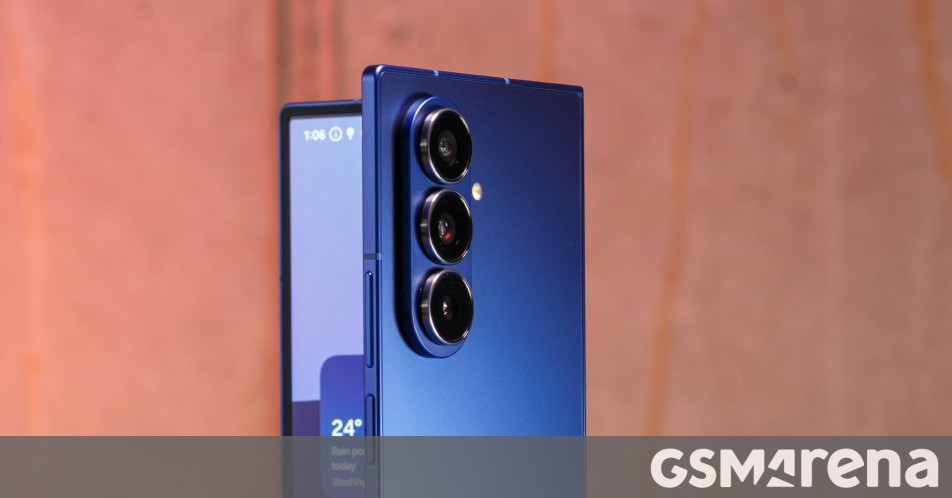
The official Galaxy Z Fold8 and Z Fold Wide names surface online
The Great Foldable Pivot: Why Samsung is Redefining the Z Series
For years, the foldable market has been a game of incremental gains. We’ve seen slightly thinner hinges, marginally brighter screens, and a slow crawl toward better battery life. But the latest leaks regarding the Galaxy Z Fold8 and the introduction of a “Z Fold8 Ultra” suggest that Samsung is no longer playing it safe. They are shifting their entire strategy.
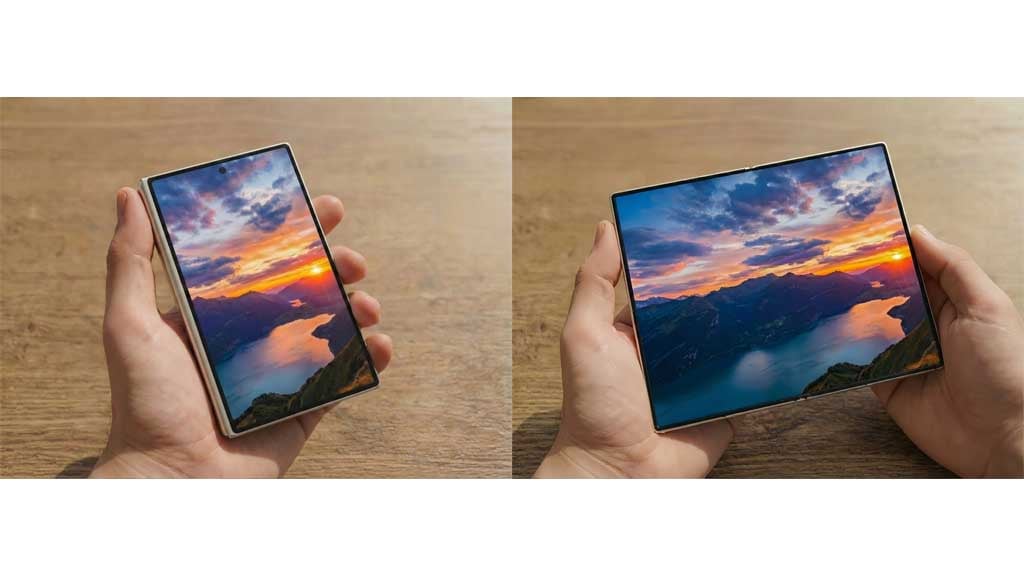
The most striking change isn’t just the naming—it’s the geometry. By introducing a wider aspect ratio for the standard Fold8, Samsung is finally addressing the “remote control” problem. For too long, the cover screen of the Z Fold series felt too narrow for comfortable typing, forcing users to unfold the device for even the simplest tasks.
The Rise of the “Ultra” Foldable
The introduction of the Galaxy Z Fold8 Ultra marks a pivotal moment in mobile hardware. Historically, foldable users had to make a compromise: you got the futuristic screen, but you sacrificed the top-tier camera systems and massive batteries found in the S-Ultra series.
The Z Fold8 Ultra aims to kill that compromise. With rumors of a 5,000 mAh battery and a professional-grade triple-camera setup, Samsung is positioning this device not as a “foldable version of a phone,” but as a “powerhouse that happens to fold.”
This tiered approach—separating a standard “Wide” model from a high-spec “Ultra” model—mirrors the successful strategy used in the Galaxy S series. It allows the brand to capture two distinct audiences: the lifestyle user who wants a portable, usable foldable, and the power user who demands zero compromises on specs.
Beyond the Hinge: Future Trends in Foldable Tech
The shift we are seeing with the Z Fold8 is part of a larger industry trend toward form-factor diversification. We are moving away from the “one size fits all” foldable and toward specialized devices.
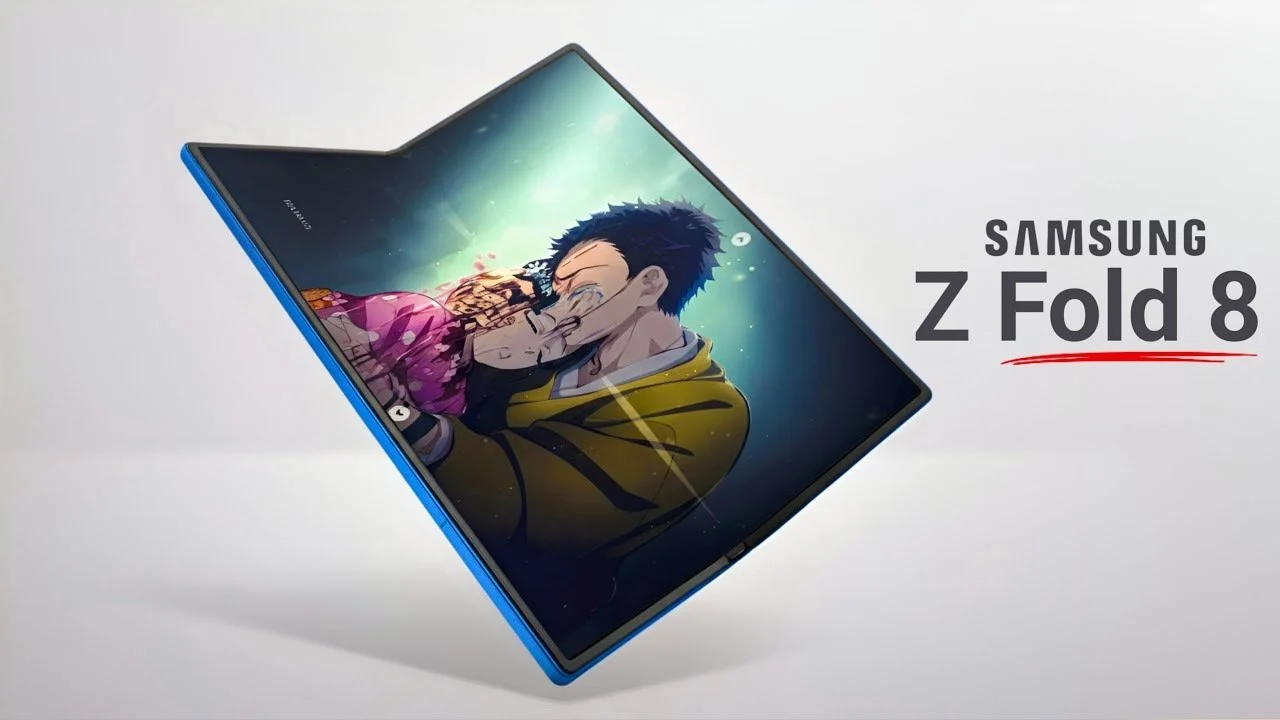
1. Aspect Ratio Optimization
We are seeing a race toward the “Golden Ratio” for cover screens. Competitors like Google and OnePlus have already experimented with wider front displays. By pivoting the standard Fold8 to a wider frame, Samsung is acknowledging that the “phone half” of the foldable must be as functional as a traditional slab phone.
2. Battery Density and Thermal Management
Fitting a 5,000 mAh battery into a foldable chassis is a feat of engineering. The trend is moving toward silicon-carbon batteries, which offer higher energy density in smaller volumes. This is essential for the “Ultra” tier to maintain a slim profile without sacrificing endurance.
3. The “Apple Pressure” Effect
It is no secret that the industry is waiting for the iPhone foldable. When Apple enters a category, they rarely do so first; they wait until the tech matures and then refine the user experience. Samsung’s sudden pivot to a more diverse lineup is a preemptive strike to lock in users before a potential “iPhone Ultra” foldable disrupts the market.
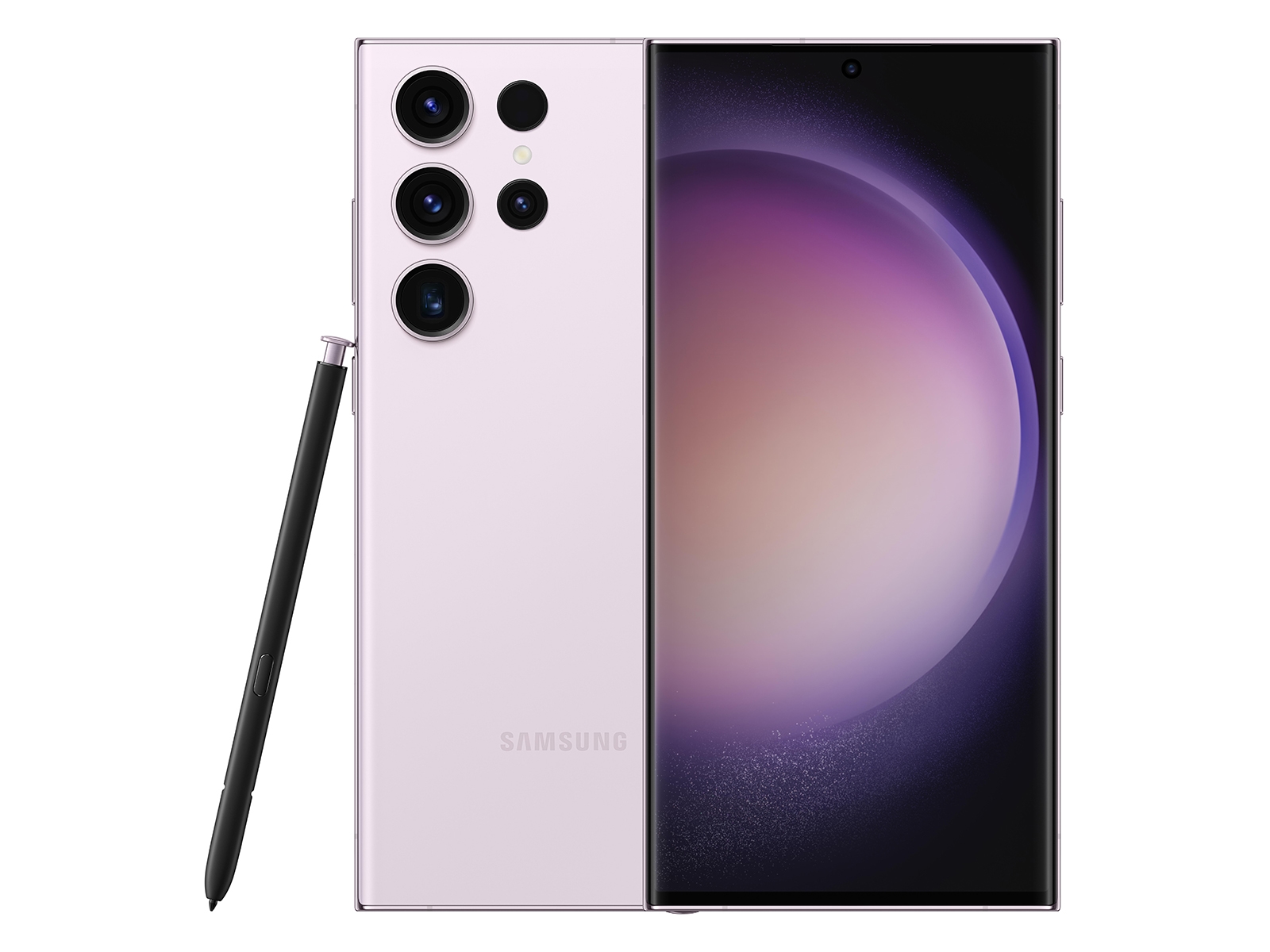
Comparing the New Foldable Hierarchy
To understand where the market is heading, we have to look at how the lineup is splitting. We are no longer looking at a “Fold” and a “Flip,” but a sophisticated ecosystem:
- Galaxy Z Flip8: The fashion-forward, compact choice for the general consumer.
- Galaxy Z Fold8 (Wide): The productivity-focused device with a usable cover screen for the everyday professional.
- Galaxy Z Fold8 Ultra: The “no-compromise” workstation with elite cameras and maximum battery life for creators and executives.
This segmentation allows Samsung to compete with both the budget-friendly foldables emerging from China and the high-end luxury devices from the West.
Frequently Asked Questions
Will the Z Fold8 Ultra be significantly more expensive?
Likely, yes. Given the upgraded camera sensors and larger battery, the Ultra will likely sit at a higher price point than the standard Fold8, mirroring the S-series pricing structure.
Does a wider aspect ratio mean a bulkier phone?
Not necessarily. By optimizing the internal layout and using thinner bezels, Samsung can increase the width of the screen without significantly increasing the overall footprint of the device.
When can we expect these devices to hit the market?
Following Samsung’s historical patterns, the next generation of foldables typically debuts during the summer Unpacked event, usually around July.
What do you think about Samsung’s move to an “Ultra” foldable? Is a wider cover screen the feature you’ve been waiting for, or are you holding out for the Apple foldable? Let us know in the comments below!
Want to stay ahead of the curve on mobile tech? Subscribe to our newsletter for deep dives into the latest leaks and expert buying guides.