
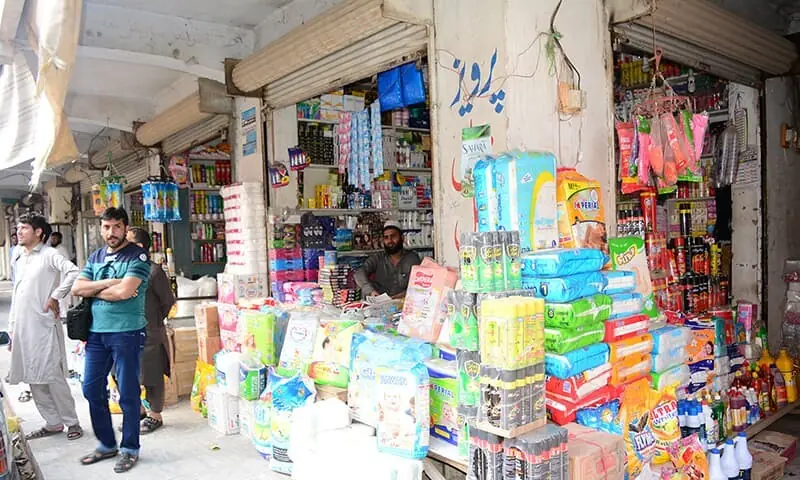
The Politics of Tax Reform
Pakistan is currently navigating a high-stakes political deadlock over tax reforms required by the International Monetary Fund (IMF). The government must widen the tax base to secure essential financial aid, but powerful lobbies in the retail, wholesale, and agricultural sectors are resisting these changes to maintain their exempt status.
Why is the government struggling to implement tax reforms?
The government is under intense pressure to expand the tax net to satisfy conditions for an IMF bailout program. According to the report, this effort is meeting stiff resistance from influential groups, particularly the retailers’ lobby.
These sectors have historically remained outside the tax net. Bringing them into the system is necessary for economic stability, but it carries a high political cost for the administration.
What are the implications of this political resistance?
The struggle represents a clash between economic necessity and political survival. If the government fails to tax these exempt sectors, it may struggle to meet the targets required by the IMF.

This failure could jeopardize the bailout program, which is critical for the country’s financial viability. It also means the burden of taxation remains on a limited group of existing taxpayers rather than being shared across the economy.
What may happen next in the tax reform process?
The government could attempt to negotiate modified terms with the IMF to soften the impact on sensitive sectors. This may involve a slower phase-in of tax requirements to avoid immediate political backlash.
Alternatively, the IMF may insist on strict adherence to the original terms. Such a scenario is likely to increase tension between the state and the retail and agricultural lobbies, potentially leading to protests or further political friction.
Frequently Asked Questions
Which sectors are resisting the new tax reforms?
The primary resistance comes from the retail, wholesale, agriculture, and real estate sectors.
Why are these reforms necessary for Pakistan?
Tax reforms and the widening of the tax base are explicit conditions required by the IMF for the country to receive a bailout program.
What is the main risk the government faces?
The government faces a dual risk: failing to meet IMF conditions and losing financial aid, or facing political instability by taxing powerful lobbies.
How should a government balance international financial requirements with domestic political pressure?