
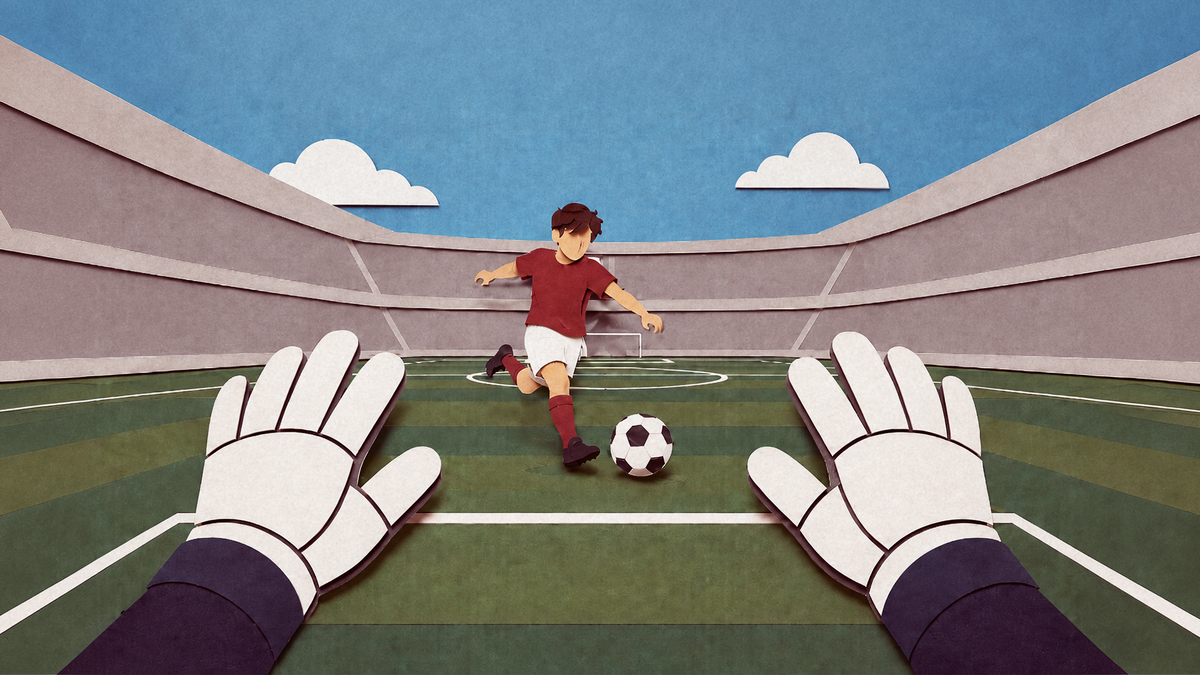
The Psychology and Physics of the Penalty Kick: Why Keepers Still Dive
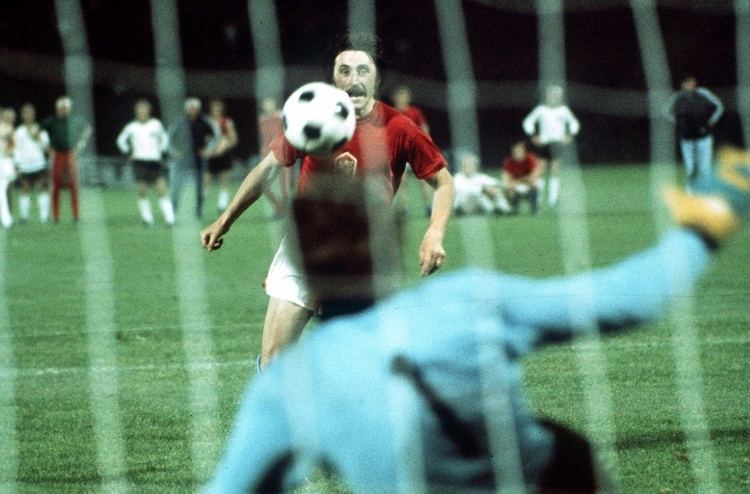
The penalty kick is a high-pressure psychological duel between a single shooter and a goalkeeper, where the attacker holds a significant physical advantage. Antonín Panenka, who famously secured the 1976 European Championship title with a chip shot to the center of the goal, described the penalty as a private game that can overshadow an entire career of achievements. While physical training can improve technique, the outcome is often determined by mental fortitude and the ability to handle the isolation of the moment.
Did You Know? The penalty kick was proposed in 1890 by William McCrum, an Irish businessman and goalkeeper for FC Milford, who believed that excluding a player for a foul was insufficient punishment when a goal-scoring opportunity was deliberately thwarted.
The Physics of the Penalty
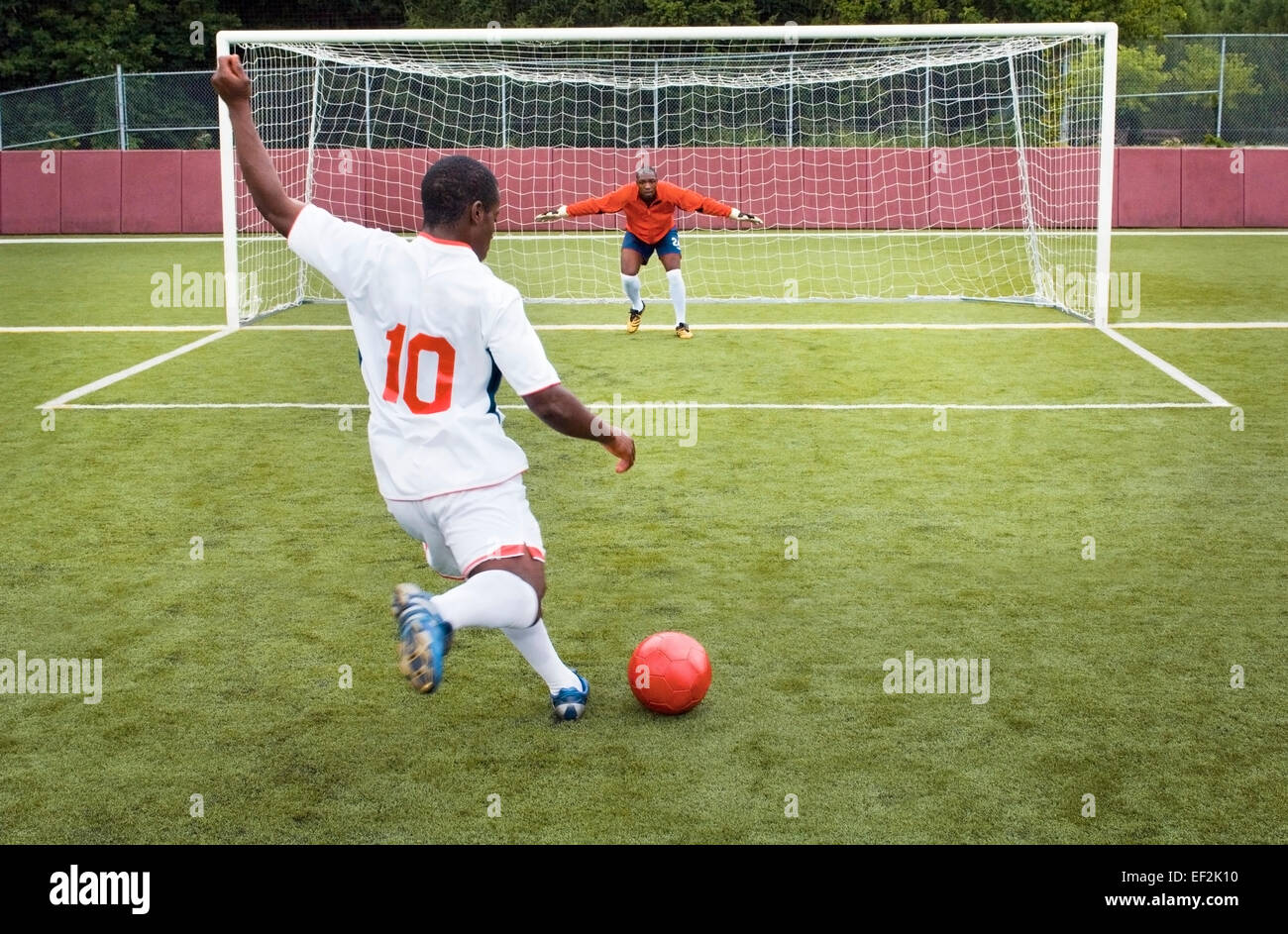
A penalty kick is physically weighted against the goalkeeper, who must remain on the goal line until the ball is struck from just 11 meters away. According to František Zahálka, a biomechanic and prorector at the Faculty of Physical Education and Sport at Charles University, a shot struck with a direct instep can exceed 100 km/h, reaching up to 115 km/h. At these speeds, the ball reaches the net in less than half a second, leaving the goalkeeper little time to react after accounting for a roughly 0.2-second delay in human response.

Evolution of the Rules
Originally labeled the “Irish proposal” or the “death kick,” the penalty rule faced significant resistance upon its 1891 adoption. Critics, such as British athlete and commentator Charles Fry, viewed the rule as an insult to the “game of gentlemen” because it assumed players would intentionally foul their opponents. Over time, the rule became a standard element of the game, with officials gradually tightening restrictions on goalkeepers to ensure the penalty functions as a near-certain goal for the attacking team.
Expert Insight: The transition from deciding matches via coin toss—a practice used in the 1968 European Championship—to the modern penalty shootout demonstrates a shift toward prioritizing athletic outcomes over chance. As noted by Michael Almog, former president of the Israeli Football Association, the shootout was proposed to replace the “immoral” and “cruel” nature of the coin toss, eventually gaining approval from the International Football Association Board (IFAB) in 1970.
The Psychology of the Keeper
Goalkeepers frequently face an “action bias,” where they feel compelled to dive to one side rather than standing still, even when statistics suggest that remaining in the center is a viable strategy. Antonín Panenka noted that if a goalkeeper remains motionless and concedes a goal, they are often criticized for not attempting a save. Consequently, goalkeepers continue to dive despite data indicating that approximately 20% of penalties are aimed at the center, with a high success rate for the shooter.
Future of the Penalty Kick
As teams increasingly rely on data and scouting reports—sometimes keeping “cheat sheets” on water bottles or towels—the strategic battle between shooter and keeper is likely to intensify. Future match outcomes may hinge on whether players can overcome the “action bias” or if they will continue to prioritize traditional, high-pressure maneuvers. The mental strain identified by sports psychologist Michal Šafář, which arises from the contrast between the technical simplicity of a kick and the high stakes of a decisive moment, suggests that the penalty will remain the most mentally demanding situation in professional football.
Frequently Asked Questions
Who invented the penalty kick?
The penalty kick was proposed in 1890 by William McCrum, an Irish businessman and goalkeeper for FC Milford, to punish frequent fouls that prevented clear scoring opportunities.
Why is the penalty considered unfair to goalkeepers?
Physically, the speed of the shot—often exceeding 100 km/h—means the ball reaches the goal in under 0.5 seconds, which is faster than a goalkeeper’s reaction time and physical movement to the corner.
What is the “Panenka” kick?
It is a penalty shot chipped into the center of the goal, designed to deceive a goalkeeper who has already committed to diving to one side. It is named after Antonín Panenka, who famously used it to win the 1976 European Championship.
How do you think the psychological pressure of a penalty shootout changes if the rules are further modified in the future?