

The Psychology and Science of Blue Food
Blue food often triggers a psychological warning of danger or decay because the color is rare in nature, according to experts like Samuel Sirois and Van Troi Tran. While blue meat is typically rejected, the color is widely accepted in desserts and nutrient-dense “superfoods” like wild blueberries and blue corn.
Why is blue food often perceived as unappetizing?
The human brain may have developed an evolutionary mistrust of blue foods, according to Van Troi Tran, a professor at the Université du Québec à Montréal (UQAM). Tran notes that blue is frequently associated with rot or spoiled food, though he admits this is difficult to demonstrate scientifically.
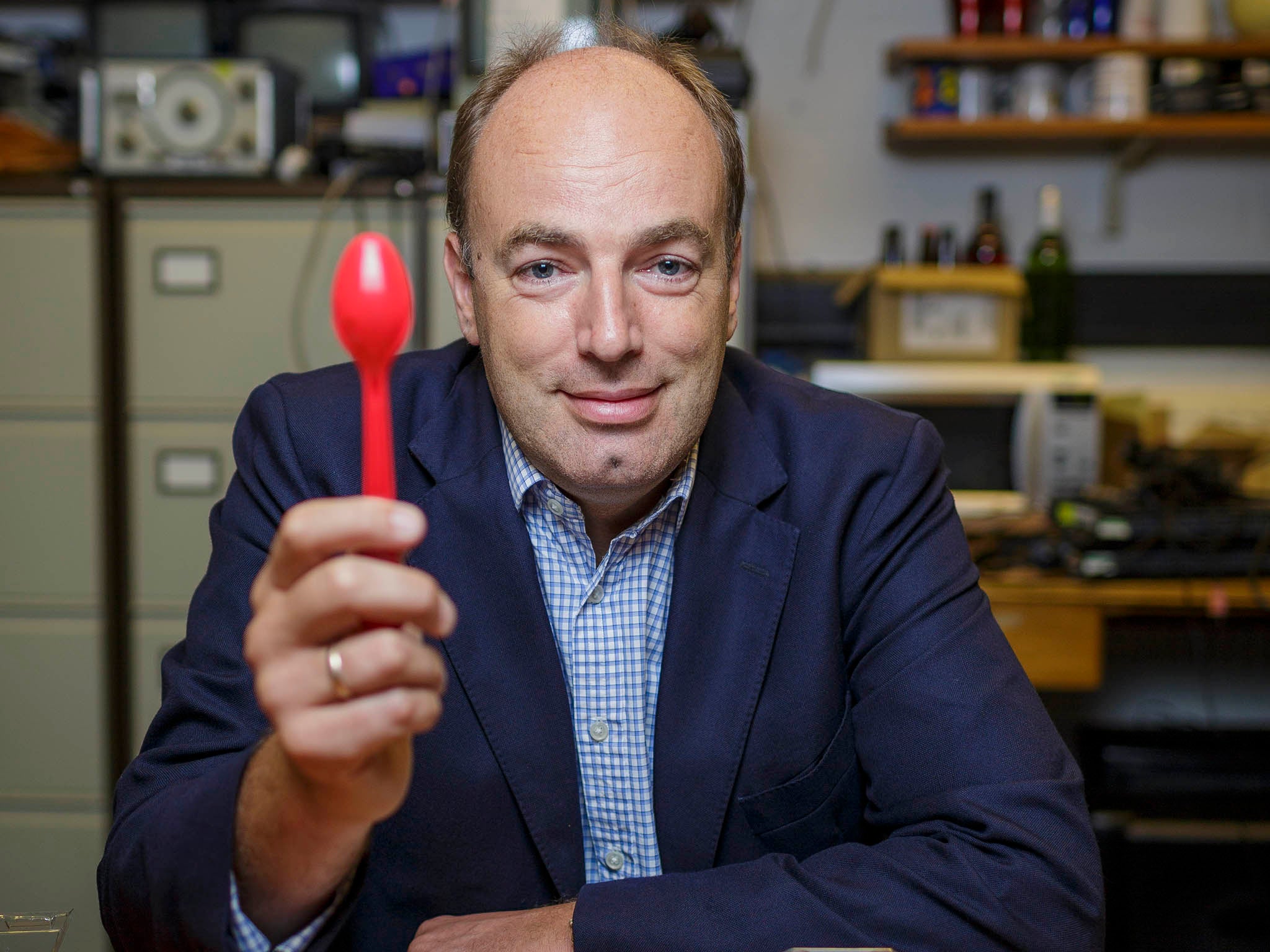
Samuel Sirois, a chef and teacher at the Institut de tourisme et d’hôtellerie du Québec (ITHQ), states that bright blue and red often serve as signals of danger in nature. This visual cue strongly influences taste perception.
Psychologist Charles Spence, author of Gastrophysique, writes that blue triggers a “clearly negative” behavior when appearing in meat or fish. Spence, a professor at the University of Oxford, argues that what people taste is heavily influenced by what they see.
Which blue foods provide health benefits?
Nutritionist Vanessa Daigle identifies blueberries as a “superfood” rich in antioxidants. She notes that berries—including blueberries, strawberries, raspberries, and blackberries—are among the fruits lowest in sugar and highest in fiber, with wild blueberries being the most nutritious.

Blue spirulina, a derivative of nutrient-rich algae, is another health-focused option. Josianne Marcoux, co-owner of the vegan restaurant Archway, uses it in the “B12” drink for its nutritional value. Daigle describes this compound as highly antioxidant and a viable alternative to artificial dyes, which are authorized by Health Canada but suspected of having harmful effects on the body.
In Mexico, blue corn is used for tortillas. Chef Geoffrey Emiliano Moreau, who operates Barrio Chino and La Capital Tacos, states that blue corn possesses more nutritional properties than other varieties. Moreau describes the product as creamier and softer, though it comes at a higher cost.
How is blue used in global culinary traditions?
Thai cuisine utilizes the butterfly pea flower to color desserts and drinks. Jitsuda Jiralarppol, owner of the restaurant Siwalee, explains that dried flowers are soaked in hot water for 90 minutes to extract the pigment, which is then used to soak rice overnight for dishes like mango sticky rice.
In Mexico, blue corn is a regional staple. Chef Geoffrey Emiliano Moreau notes that consumers in Mexico and at his Montreal restaurants do not find the color strange, as they appreciate the visual appeal and nutritional profile of the corn.
How does color affect the dining experience?
Consumer acceptance of blue depends on the type of dish. Samuel Sirois observes that colorants are more socially accepted in pastry and desserts than in main courses. He notes that violet-blue tones, such as those in crushed blueberries, are viewed more favorably than vivid blues.
Beyond the food, blue is common in packaging to evoke water, freshness, and cold. Van Troi Tran points out its frequent use on seafood and fish packaging.
Because of this association with cold, Sirois advises students against serving hot dishes on blue plates. He argues that serving a hot blue broth creates a sensory incongruity between visual perception, taste, and thermal perception, which could confuse the diner.
What may happen next?
As consumers seek alternatives to artificial dyes, the use of natural pigments like blue spirulina or butterfly pea flower may increase in commercial food production. Restaurants could further experiment with “visual contradictions” to challenge how diners perceive temperature and flavor.
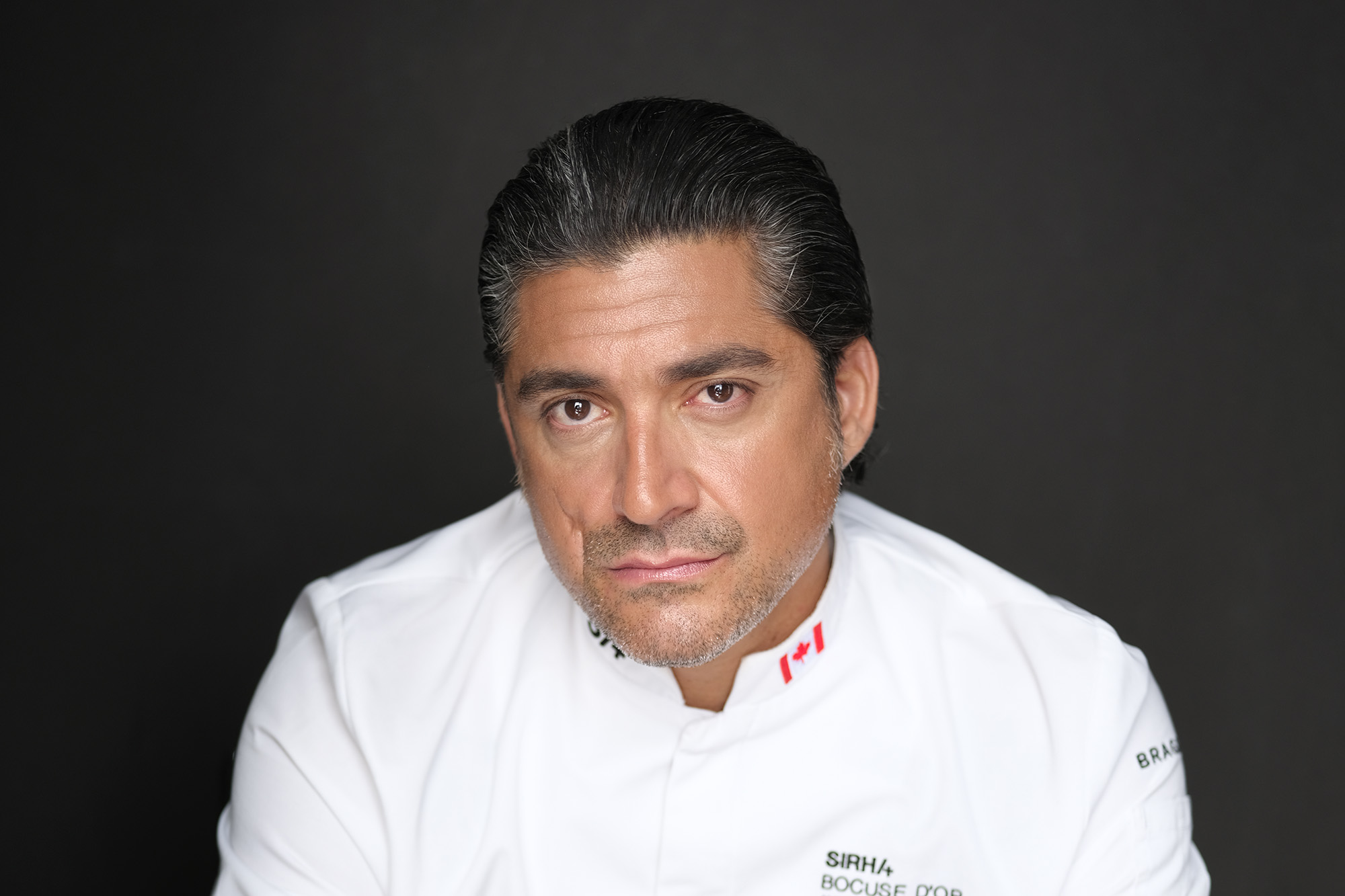
Frequently Asked Questions
Why should hot food not be served on blue plates?
According to Samuel Sirois, blue is associated with cold and freshness. Serving hot food on blue plates creates a conflict between the visual signal and the actual temperature, which can confuse the taster’s senses.
Is blue spirulina a healthy alternative to food coloring?
Nutritionist Vanessa Daigle states that blue spirulina is a highly antioxidant compound. She considers it an interesting alternative to some artificial blue dyes that, while authorized by Health Canada, are suspected of having negative effects on the body.
What makes blue corn different from other corn?
Chef Geoffrey Emiliano Moreau states that blue corn has more nutritional properties and is creamier and softer to work with, although it is more expensive to import from Mexico.
Would you try a blue-tinted main course if it were proven to be more nutrient-dense?