
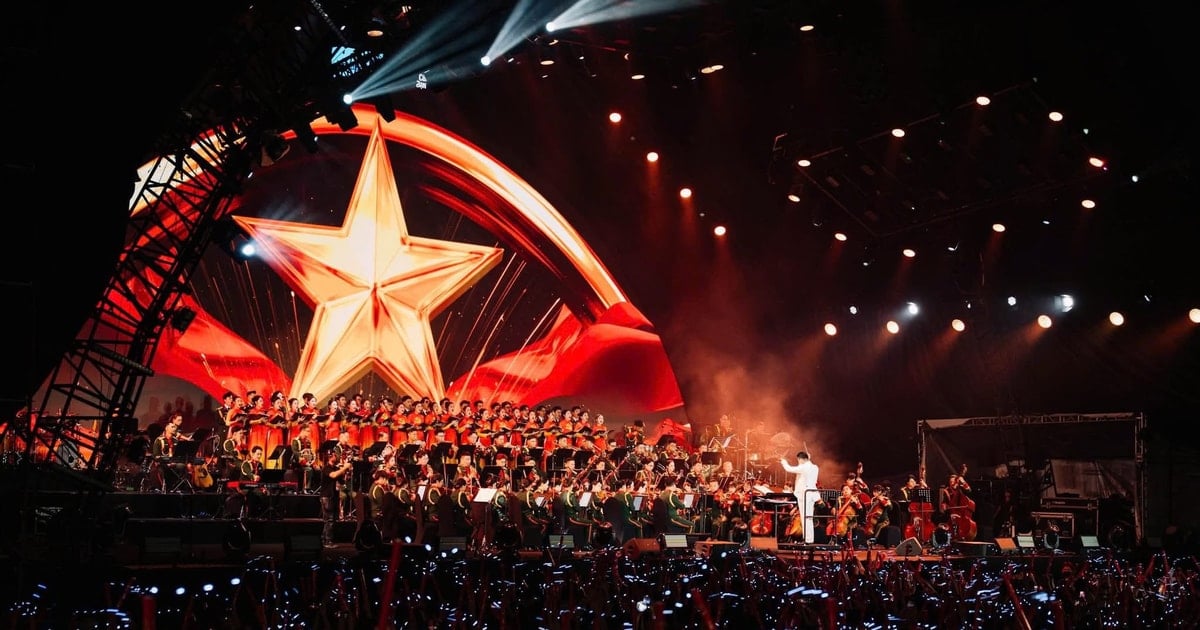
The Renaissance of Classical Music in Vietnam: Bridging Tradition and Modernity
The landscape of classical music in Vietnam is undergoing a profound transformation, evolving from its mid-20th-century roots into a vibrant, modern cultural force. After decades of navigating challenges such as limited infrastructure and a shortage of specialized venues, the genre is now experiencing a period of significant revitalization and increased public accessibility.
A Historical Foundation
Western classical music first took hold in Vietnam during the mid-1900s, championed by influential figures such as violinists Ta Bon and La Huu Tuan, flutist Le Bich, and composers Tran Ngoc Xuong, Hoang Van, and Hoang Dam. The 1960s were widely regarded as a golden era, featuring the debut of landmark works like the opera “Cô Sao” by Do Nhuan and the symphony “Lửa cách mạng” by Tran Ngoc Xuong.
The formal establishment of the Vietnam Symphony Orchestra in 1959 and the creation of the Vietnam Symphony Orchestra-Chorus-Opera (now the Vietnam National Opera and Ballet) in 1963 provided the institutional framework for performing masterpieces by composers like Mozart and Beethoven. These early efforts laid the groundwork for the current resurgence of the art form.
Modernizing the Musical Experience
In recent years, a new generation of artists trained in international traditions has returned to Vietnam, contributing to a surge in both symphonic and chamber music performances. People’s Artist Bui Cong Duy, Vice Director of the Vietnam National Academy of Music, notes that the country now boasts better orchestras and international-standard theaters, allowing local audiences to experience major works like “Carmen” or “Swan Lake” at home.

The ecosystem has expanded beyond core institutions like the Vietnam National Symphony Orchestra (VNSO) and the Vietnam National Opera and Ballet (VNOB). Newer groups such as the Sun Symphony Orchestra (SSO), the Vietnam Youth Symphony Orchestra (VYO), and the Military Symphony Orchestra (MSO) are bringing classical music into the daily lives of citizens through innovative, public-facing performances.
Looking Toward the Future
As the country prepares for the establishment of the Vietnam Classical Music Association at the end of 2025, leaders are focused on building a sustainable, modern ecosystem. The organization aims to utilize classical music as a tool for cultural diplomacy and international integration.
Future developments may include a continued emphasis on technological modernization and diverse performance formats. Experts suggest that by combining school-based music education with support for young talent, the country may solidify the foundation required to maintain this momentum. Increased collaboration between international artists and local talent is also expected to further elevate the status of the Vietnamese music scene on the global stage.
Frequently Asked Questions
What was considered the golden era of classical music in Vietnam?
The 1960s are considered the golden era, characterized by the production of significant operas like “Cô Sao” and “Bên bờ Krông Pa,” as well as symphonies such as “Lửa cách mạng” and “Giải phóng Điện Biên.”
What role will the Vietnam Classical Music Association play?
Set to be established by the end of 2025, the association is intended to serve as a body that facilitates international integration and helps build a modern, sustainable classical music ecosystem in Vietnam.
How are orchestras currently reaching new audiences?
Orchestras are moving performances out of traditional theaters and into public spaces, such as the Vietnam Fine Arts Museum, and collaborating on educational projects like music summer camps and interactive concerts for diverse age groups.
How do you think the integration of classical music into public spaces changes the way younger generations perceive the genre?