

The Rise of Data Center NIMBYism: Why US Cities Are Blocking AI Infrastructure
The AI Infrastructure War: Why Cities are Saying “No” to Data centres
For decades, the “NIMBY” (Not In My Backyard) syndrome was reserved for nuclear power plants, landfills, or highway expansions. It was the classic struggle between a perceived collective good and local inconvenience. But a new target has entered the crosshairs: the data centre.
What was once seen as a quiet, sterile warehouse of servers is now being viewed as an environmental predator. From the suburbs of California to the tech hubs of Europe, a growing movement of residents is realizing that the “Cloud” isn’t an ethereal entity—it’s a massive, thirsty, and hot piece of industrial machinery.
The New Face of Local Resistance
The shift is palpable. We are seeing a trend where local municipalities are no longer seduced by the promise of tech jobs or corporate taxes. Instead, they are passing unprecedented measures to ban data centre construction entirely.
One striking example is the movement in Monterey Park, where an overwhelming majority of voters recently opted to ban data centres through a municipal master plan. This wasn’t just a protest against one project; it was a preemptive strike against an entire industry.
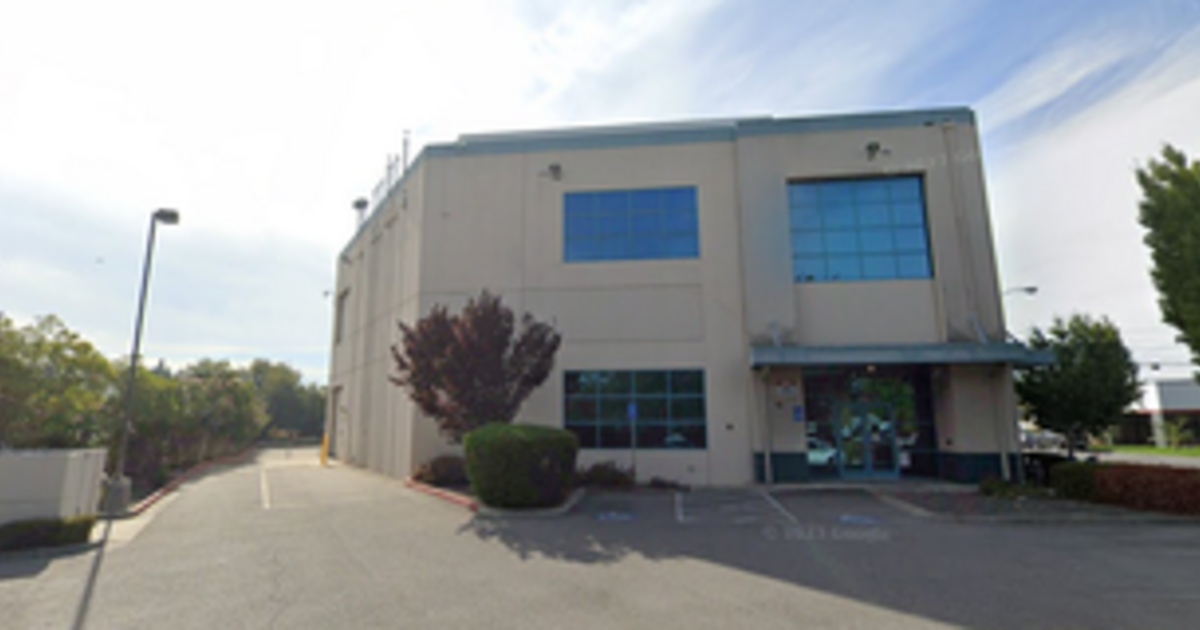
This trend suggests that the “tech halo” is wearing off. When a project—like the proposed HMC StratCap facility—threatens the local ecosystem, residents are reacting with the same intensity they once reserved for toxic waste dumps near elementary schools.
The Invisible Thirst: Water Consumption in the AI Era
The most contentious issue isn’t the noise or the aesthetics—it’s the water. AI models, particularly Large Language Models (LLMs), require staggering amounts of water for cooling. But the numbers reported by tech giants often only tell half the story.
Direct vs. Indirect Consumption
Direct consumption occurs within the facility to keep servers from melting. However, the indirect consumption—the water used by the power plants that feed the grid to keep those servers running—is often omitted from corporate sustainability reports.
To put this into perspective, a single mid-sized hyperscale data centre can consume between 4 and 19 million litres of water per day. For a resident, that’s an incomprehensible volume. In practical terms, one facility’s daily water needs can equal the total consumption of tens of thousands of average family households.
We are already seeing the consequences. In Indiana, investigations into Amazon’s “Rainier” project revealed that millions of litres of water were pumped from the ground during the construction phase alone, drying up local residential wells before the facility even went online.
The “Data Heat Island” Effect
Beyond water, there is the issue of thermal pollution. While we often talk about global warming, data centres create localized “heat islands.”
Research from the University of Cambridge suggests that the ground temperature around data centres can rise significantly—averaging 2°C, with some extreme peaks reaching up to 9°C. This effect can be felt up to 10 kilometers away from the facility.
Critics argue that this is simply the result of replacing green fields with asphalt and concrete (the classic urban heat island effect). However, the laws of physics are stubborn: these facilities are essentially giant heat exchangers, pumping massive amounts of thermal energy into the surrounding environment.
The Political Paradox: A New Alliance
Perhaps the most fascinating trend is the political realignment. Traditionally, NIMBYism was viewed as a conservative tool used to block social housing or public transit. Today, that has flipped.
In deep-blue Democratic strongholds, progressive leaders are now using these same “backyard” tactics to block the infrastructure of “capitalist AI.” When the local environment clashes with the needs of Big Tech, the political divide vanishes, and the “neighborhood committee” mentality takes over.
This creates a precarious situation for developers. Even if a company wins a legal battle to build, the “reputational tax” is too high. No tech giant wants to be the villain in a headline that reads: “Silicon Valley Giant Forces Data centre on Unwilling Community.”
What This Means for the Future of Tech
The “Wild West” era of data centre expansion is ending. We are moving toward a period of Structured Restriction.
- In the US: Expect more state-level moratoriums and a surge in municipal zoning laws specifically targeting “hyperscale” facilities.
- In Europe: The process will be more regulatory. With the EU AI Act and the Green Deal, Ireland and Germany are already tightening the screws on energy and water usage.
- In Italy and Southern Europe: The conflict will likely peak in the next few years as the first major AI hubs are proposed in water-stressed regions.
For more insights on how technology intersects with urban planning, check out our guide on The Future of Sustainable Cities.
Frequently Asked Questions
Why are data centres so thirsty?
Servers generate immense heat. To prevent hardware failure, facilities use cooling towers that evaporate millions of gallons of water to keep the systems stable.
What is the “Data Heat Island” effect?
It is the increase in local ground and air temperature caused by the massive heat dissipation of server farms and the replacement of natural vegetation with industrial surfaces.
Can’t we just use air cooling?
Air cooling is possible but far less efficient for the scale of AI workloads. It often requires more electricity, creating a trade-off between water scarcity and energy demand.
Will this stop the growth of AI?
It won’t stop AI, but it will force it to evolve. We will see a shift toward smaller, decentralized “edge” computing and a desperate search for sites with natural cooling, such as Nordic countries.
Join the Conversation
Do you think your community should have a say in where data centres are built, or is the progress of AI too important to be slowed down by local zoning laws?
Share your thoughts in the comments below or subscribe to our newsletter for weekly deep-dives into the future of tech.