
The Rise of Global South-First Chinese Multinationals
Chinese companies are shifting toward a “Global South-first” strategy, prioritizing expansion in Africa, Southeast Asia, and Latin America over traditional Western markets. According to advisor Andrew Cainey, this trend is driven by rapid innovation, lower cost bases, and a strategic alignment with the Global South’s projected 27% contribution to global growth by 2030.
Why are Chinese companies pivoting to the Global South?
The move is a calculated response to where the world’s economic momentum is shifting. IMF projections indicate the Global South will generate 27% of global growth between now and 2030, up from 21% today. When combined with China’s own market, these regions will account for nearly half of all global demand growth over the next five years.
This shift is visible in the trade data. Last year, Chinese export growth to Africa hit 26%, while growth to ASEAN rose by 13%. For many Chinese firms, the Global South offers better pricing and margins than the intense price competition found at home.
The contrast with traditional Western leaders is stark. Andrew Cainey notes that while Toyota, the global market leader in forklifts, earns 87% of its international revenue in the U.S. and Europe, the Chinese manufacturer Hangcha generates over 40% of its revenue overseas, shipping 280,000 units to 180 countries primarily in the Global South.
Which companies are leading the “Global South-first” charge?
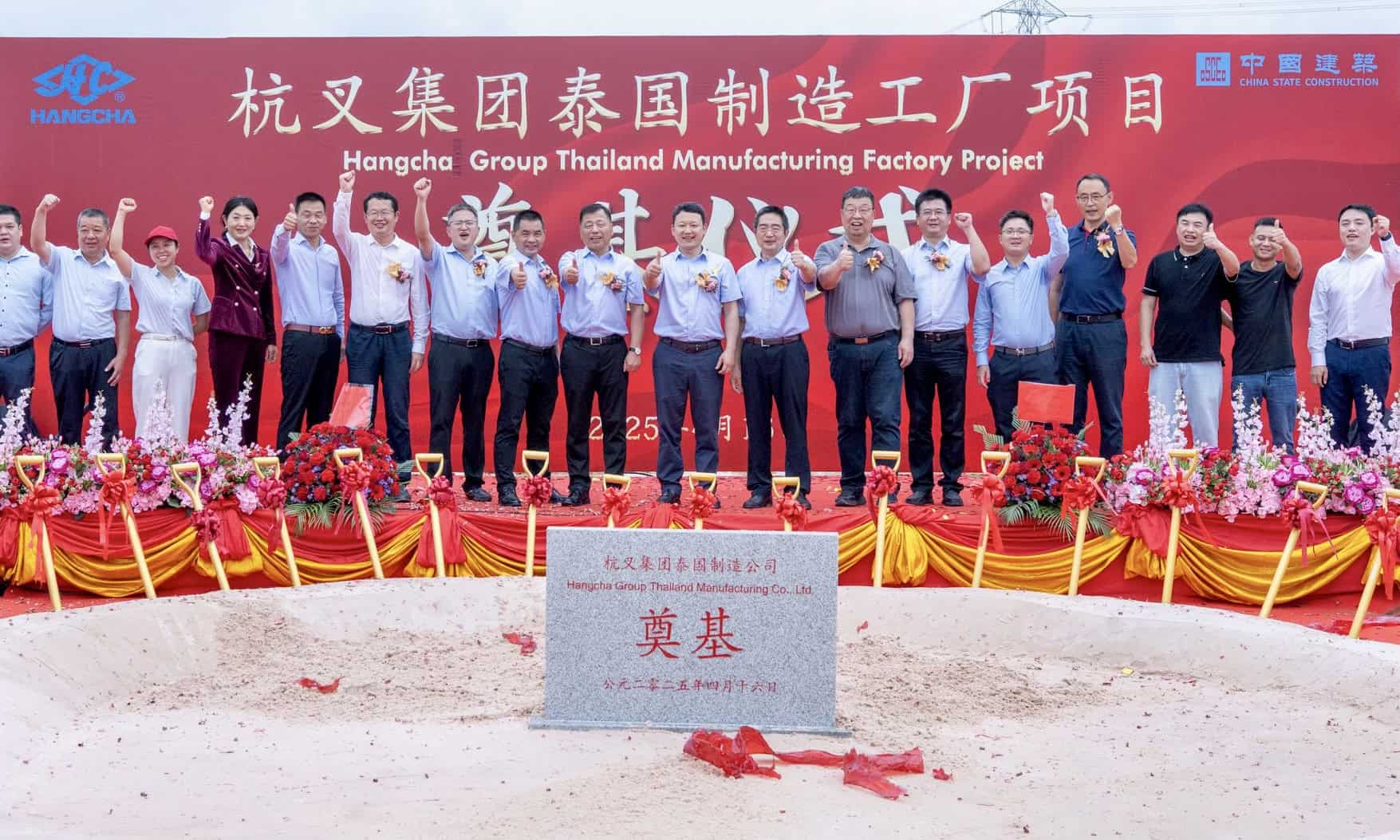
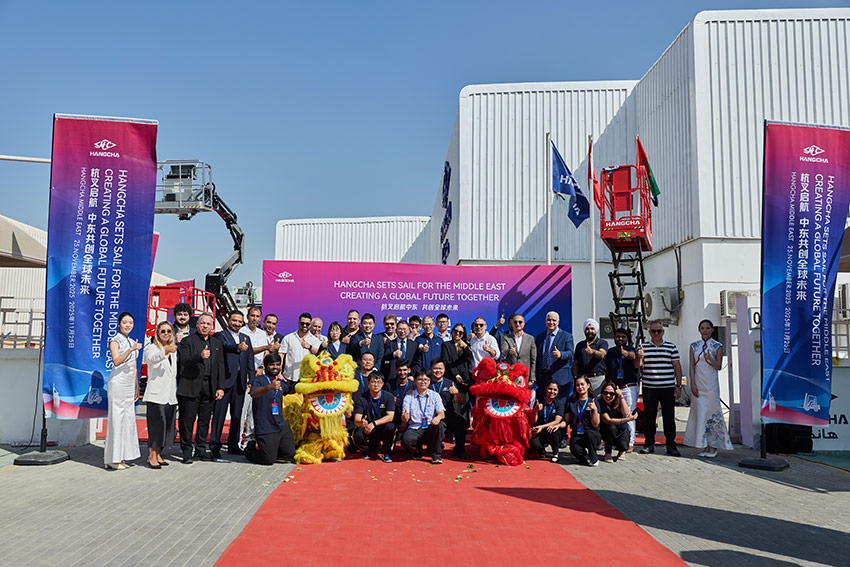
Several “new breed” multinationals are aggressively staking out positions in these markets. Hangcha, now the world’s eighth-largest forklift manufacturer, is a prime example. In 2024, the company generated 16.5 billion yuan ($2.4 billion) in revenue. To sustain this, Hangcha broke ground on a $20 million wholly-owned plant in Thailand on April 16, 2025, and opened a Middle East and South Asia hub in Dubai’s Jebel Ali Free Zone on November 25, 2025.
In the consumer sector, Mixue Bingcheng launched its low-priced drinks and ice cream in Brazil on April 11, 2026. The company signed a memorandum with Brazil’s investment promotion agency to spend four billion yuan to build a factory and open between 500 and 1,000 outlets by 2030, which is expected to generate 25,000 jobs.
Other significant players include:
- Meituan: Expanding its Keeta food delivery brand into Hong Kong, Qatar, Kuwait, Dubai, Abu Dhabi, and 20 cities in Saudi Arabia.
- Sany, XCMG, and Zoomlion: These excavator brands have captured 30% to 40% market share in Southeast Asia, Africa, and the Middle East, and over 60% in Central Asia and Russia.
- Tech and Auto: BYD in São Paulo, Huawei 5G in Curitiba, and Transsion’s dominant smartphone position across Africa.
How does government strategy support this corporate expansion?
While individual business leaders drive much of this growth, a supportive political backdrop exists. China continues to emphasize relations with the Global South, a strategy rooted in decades of engagement, such as the funding of the Tanzania-Zambia railway in the 1970s. Premier Li Qiang reaffirmed this identity last year, stating, “China will always be a developing country.”

This diplomatic alignment is bolstered by the expansion of BRICS to include Indonesia, Ethiopia, Iran, the UAE, and Egypt. State-owned enterprises (SOEs) like PetroChina, State Grid, and COFCO often lead the way, supported by China’s policy banks, embassies, and the state-owned insurer Sinosure.
However, Cainey argues that state backing is becoming less central in sectors like medtech and consumer electronics. In these fields, private leaders are simply spotting commercial opportunities to sell competitive products to customers in markets with development levels similar to various regions within China.
What are the risks and hurdles for Chinese multinationals?
Expansion isn’t without friction. Chinese firms often struggle with local regulatory compliance and management styles. For example, Mixue faced protests from Vietnamese franchisees over price cuts, leading to store closures in Vietnam and Indonesia. Meituan has also encountered problems with its growth plans in Brazil.
There is also a growing “American Challenge” style anxiety among Global South governments. While Chinese imports benefit consumers, they can threaten local industry. In Brazil, for instance, the commodities sector is booming due to Chinese demand, but the broader economy is facing de-industrialization.
To mitigate this, governments are more likely to support Chinese firms that prioritize localization. This is why plants that hire locally and transfer technology—like Hangcha’s Thai facility—are better positioned for long-term success.
Comparing Market Penetration: Chinese vs. Western Brands
| Sector | Global South Share (Sany/XCMG/Zoomlion) | Western Market Share (Same Brands) |
|---|---|---|
| Construction Equipment | 30% to 40% | Around 5% |
| Russia/Central Asia | Over 60% | Minimal/Declining |
Frequently Asked Questions
What is the “Global South-first” strategy?
It is a business approach where companies prioritize growth and investment in developing nations across Africa, Latin America, and Southeast Asia over developed markets like the U.S. and Europe.
How is Hangcha Group expanding in Southeast Asia?
Hangcha has invested $20 million in a manufacturing plant in Chonburi, Thailand, and has formed a 50-50 joint venture with battery leader CATL to assemble and sell lithium batteries alongside its vehicles.
Why are Western companies losing ground in these markets?
Many Western firms have optimized their models for high-income, slow-growth markets, while Chinese firms bring cost structures and technology better suited for developing economies.
What do you think? Will Western multinationals be able to regain their footing in the Global South, or has the window of opportunity closed? Share your thoughts in the comments below or subscribe to our newsletter for more insights on global trade shifts.