
The Rise of the Unitary Executive Theory and the Battle for Presidential Power
The unitary executive theory posits that the U.S. Constitution grants the president total control over the executive branch, including the power to unilaterally remove officials and direct foreign policy. Developed by conservative lawyers in the Reagan era, this framework now influences several current Supreme Court justices and recent rulings on presidential immunity, according to legal experts.
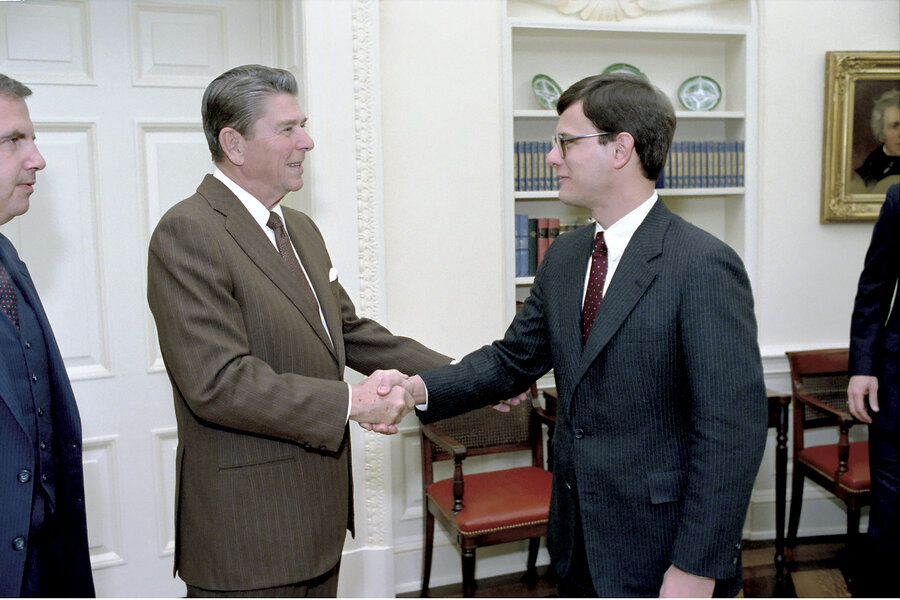
Chief Justice John Roberts and Justice Samuel Alito entered the Reagan administration as young lawyers convinced a powerful president could rescue the country. They arrived after a decade marked by runaway inflation, defeat in Vietnam, and the Watergate scandal, which had led to legislative limits on presidential power.
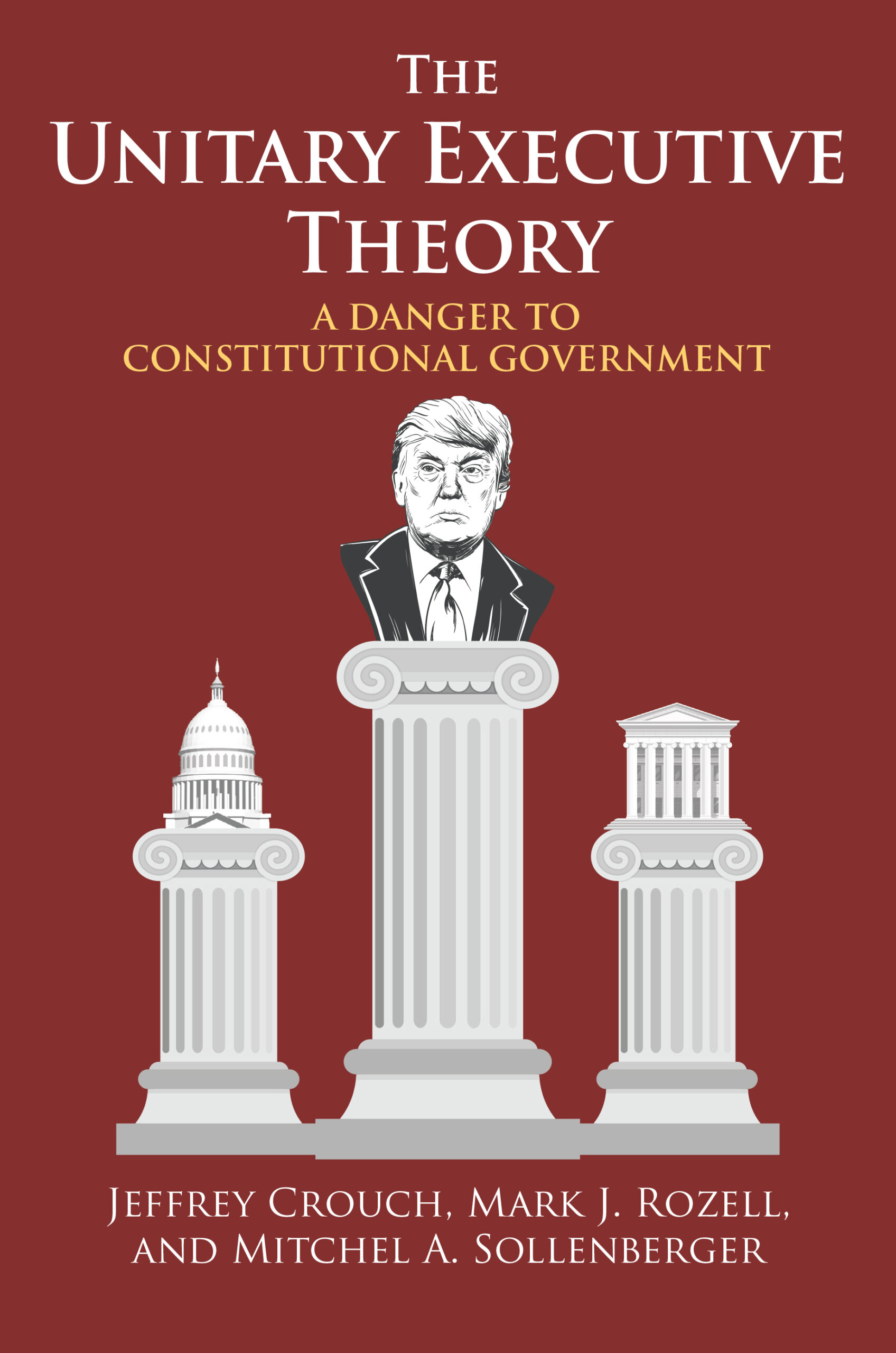
This intellectual framework sought to establish the executive branch as above and apart from other branches of government. According to the source, the theory holds that the president has personal authority over domestic and foreign policy, including the ability to enter military conflicts and remove government officials.
Why did the unitary executive theory emerge?
The theory grew as a reaction to the 1970s, when Congress passed laws to limit the president’s ability to withhold appropriated funds and enter wars without approval. These moves followed Richard Nixon’s refusal to spend an estimated $18 billion in congressional funds and his authorization of secret bombings in Cambodia.
By 1981, Ronald Reagan brought in conservative lawyers who viewed the presidency as a defender of conservative power against Democratic majorities in Congress. Reagan used the term “unitary executive” six times in official statements, while President George H.W. Bush used it 41 times.
How has the theory shaped the Supreme Court?
The theory moved from a minority view to a dominant one through a series of court cases. In the 1988 case Morrison v. Olson, Justice Antonin Scalia wrote a lone dissent arguing that Article II of the Constitution vests “all of the executive power” in the president, not just some of it.

Recent rulings by the Roberts court have embraced this view. In the 2020 case Seila Law v. Consumer Financial Protection Bureau, the court broadened the president’s power to fire directors of independent agencies without cause. Chief Justice Roberts wrote that this power follows from the text of Article II.
In 2024, the court ruled on presidential immunity in Trump v. U.S. Roberts warned against “enfeebling” the presidency, stating the Framers demanded an “energetic, independent Executive.”
What are the arguments for and against expanded presidential power?
Proponents, including Professor John Yoo of UC Berkeley School of Law, argue the theory counters an “administrative state” of independent federal agencies that govern too much of American life. Yoo claims the theory is a natural response to agencies that have become too powerful and independent.
Critics, such as Berkeley Law Dean Erwin Chemerinsky, argue the theory ignores the Framers’ commitment to checks and balances. Chemerinsky states that increasing presidential power inherently decreases the power of Congress.
Critics also point out that Article II vests “the executive power” in the president, but doesn’t use the phrase “all the executive power,” unlike Article I, which vests “all legislative powers” in Congress.
What happens next for executive authority?
The Supreme Court is expected to rule this summer on whether to strike down a 1935 precedent, Humphrey’s Executor v. U.S., which currently prevents presidents from firing leaders of independent agencies with bipartisan boards without cause.
The court may also define the outer boundaries of this power. In February, the court struck down Donald Trump’s emergency tariff regime as an unlawful misinterpretation of a Nixon-era statute. Justices also questioned Trump’s attempts to fire a Federal Reserve board governor and his claims regarding the birthright citizenship clause of the 14th Amendment.
Professor Saikrishna Prakash of the University of Virginia suggests that voter expectations may continue to drive this trend. He notes that voters often elect presidents who promise actions they lack the legal authority to implement, which may encourage presidents to act on those inflated expectations.
Frequently Asked Questions
What is the unitary executive theory?
It is a constitutional theory holding that the president has complete power over the executive branch, including the authority to unilaterally remove officials and control domestic and foreign policy.
Which current Supreme Court justices are associated with this theory?
Chief Justice John Roberts and Justice Samuel Alito worked on these concepts during the Reagan administration. Justices Neil Gorsuch and Brett Kavanaugh also served in the George W. Bush administration, which utilized similar assertions of executive power.
Did Democratic presidents also use unilateral power?
Yes. President Bill Clinton deployed troops to Bosnia without congressional authorization, and President Barack Obama used executive orders to raise the federal minimum wage and shield certain immigrants from deportation.
Do you believe a stronger presidency is necessary to manage the modern administrative state?