

The Rising Cost of Travel Insurance for Pre-existing Medical Conditions
Travelers with pre-existing medical conditions are facing significantly higher insurance premiums, with some quotes reaching thousands of pounds, according to recent reports. Retirees and holidaymakers are increasingly struggling to secure affordable coverage, as insurers adjust pricing based on age and medical history. Industry data suggests that 18% of British travelers may risk traveling without any insurance at all this summer, leaving them exposed to substantial emergency medical costs.
In 2021, the Financial Conduct Authority introduced rules requiring insurers to signpost customers to specialist providers if they are unable to offer cover or if the quoted premium exceeds £200.
Why Medical History Impacts Insurance Costs
Insurance providers determine premiums based on a traveler’s age, destination, trip duration, and specific medical history. For individuals like 77-year-old Bernie Lawrence, who underwent quadruple bypass surgery in 2018, these costs have become “astronomical.” Lawrence reported that his annual cover rose from under £100 before his surgery to £1,009 this year. Similarly, Ian Wardle, 68, was quoted up to £6,000 for insurance following treatment for non-Hodgkin lymphoma.

According to James Daley, founder of the research agency Fairer Finance, failing to secure proper coverage is a significant risk, particularly for travel to the US and Canada where there are no reciprocal health agreements with the UK. Emergency medical expenses in these regions can reach hundreds of thousands of pounds.
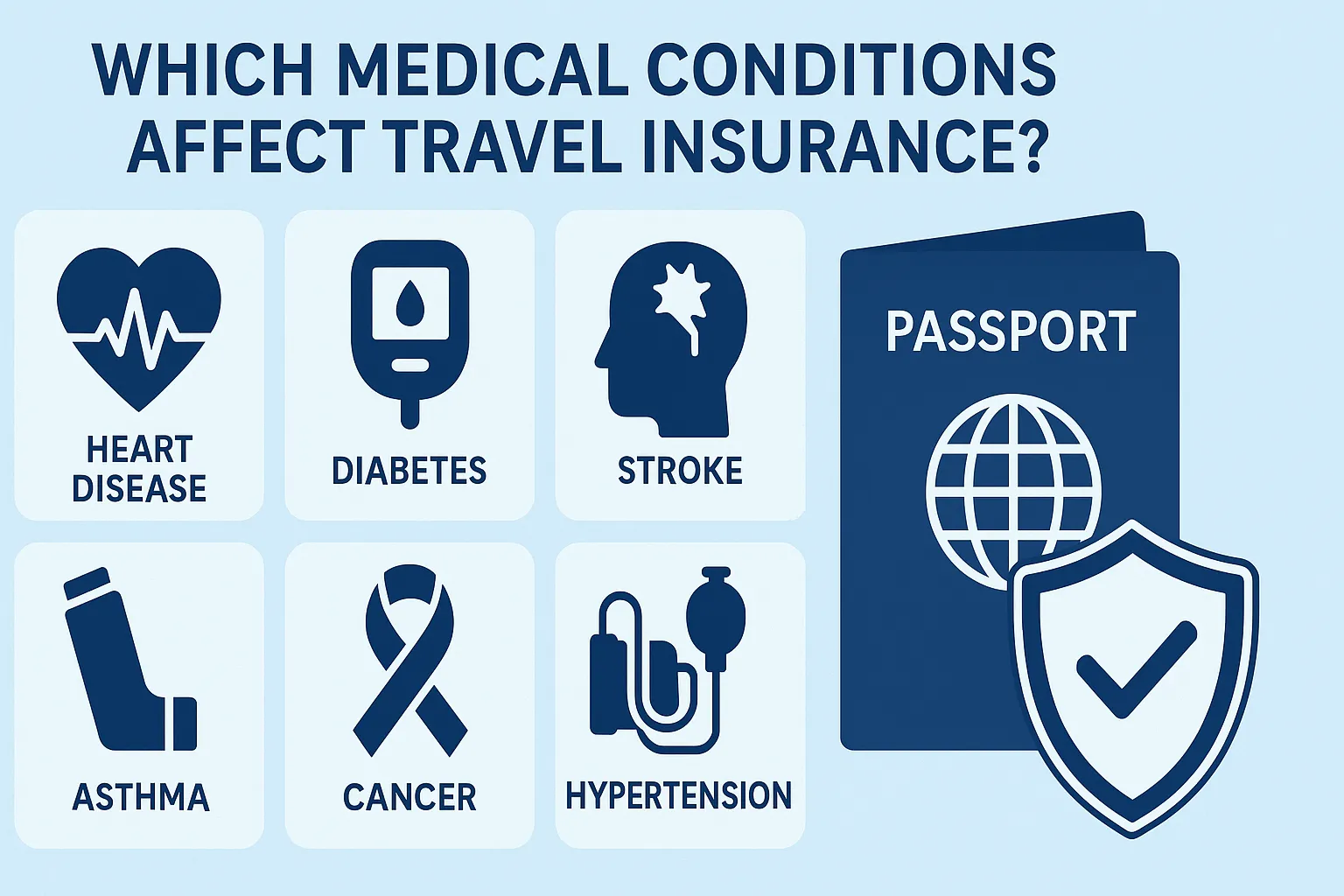
The disparity in premiums often reflects how insurers weigh risk associated with specific conditions versus the duration of recovery. While common conditions like asthma or anxiety may result in only minor premium adjustments, ongoing investigations or recent serious diagnoses can lead to sharp price hikes, highlighting the importance of shopping for specialist policies rather than relying on standard comparison websites.
Strategies for Finding Coverage
Travelers struggling to find affordable policies through mainstream comparison sites may find success by contacting specialist insurers. Firms such as Medical Travel Compared, PayingTooMuch, and AllClear provide alternatives for those with complex medical histories. Additionally, the British Insurance Brokers’ Association (biba.org.uk) can assist in locating a broker to navigate specific requirements.
Tommy Lloyd, managing director of Medical Travel Compared, suggests that travelers should generally aim to insure the entire party on a single policy. This approach ensures that cancellation and curtailment cover remains consistent across the group, providing protection if one person’s health condition unexpectedly worsens before a trip.
What May Happen Next
As insurance premiums continue to fluctuate based on medical disclosures, travelers may increasingly turn to specialist brokers rather than automated online platforms to ensure their specific conditions are fully documented. Analysts expect that the industry will continue to face pressure from consumer groups to simplify the disclosure process. Future travelers should anticipate that providers will maintain stringent requirements for detailing medical history from the previous two to five years, and in some cases, even longer for serious illnesses.
Frequently Asked Questions
Do I need to disclose all my past medical conditions?
Insurers typically ask for details regarding medical issues from the last two to five years, depending on the provider and the nature of the condition. If you have fully recovered and received no further treatment, you generally do not need to disclose it.

What is the risk of traveling without insurance?
Traveling without insurance leaves you personally liable for emergency medical bills. In countries like the US, these costs can reach into the tens or hundreds of thousands of pounds.
Are there rules to help people with pre-existing conditions get insurance?
Yes, the Financial Conduct Authority mandates that if an insurer cannot offer cover or quotes a premium over £200, they must signpost you to a specialist provider who may be able to assist.
Have you found it challenging to secure affordable travel insurance due to your health history?