
The Scan Showed Something ‘Unusual’-Doctor’s Next Words Stunned Mom-To-Be
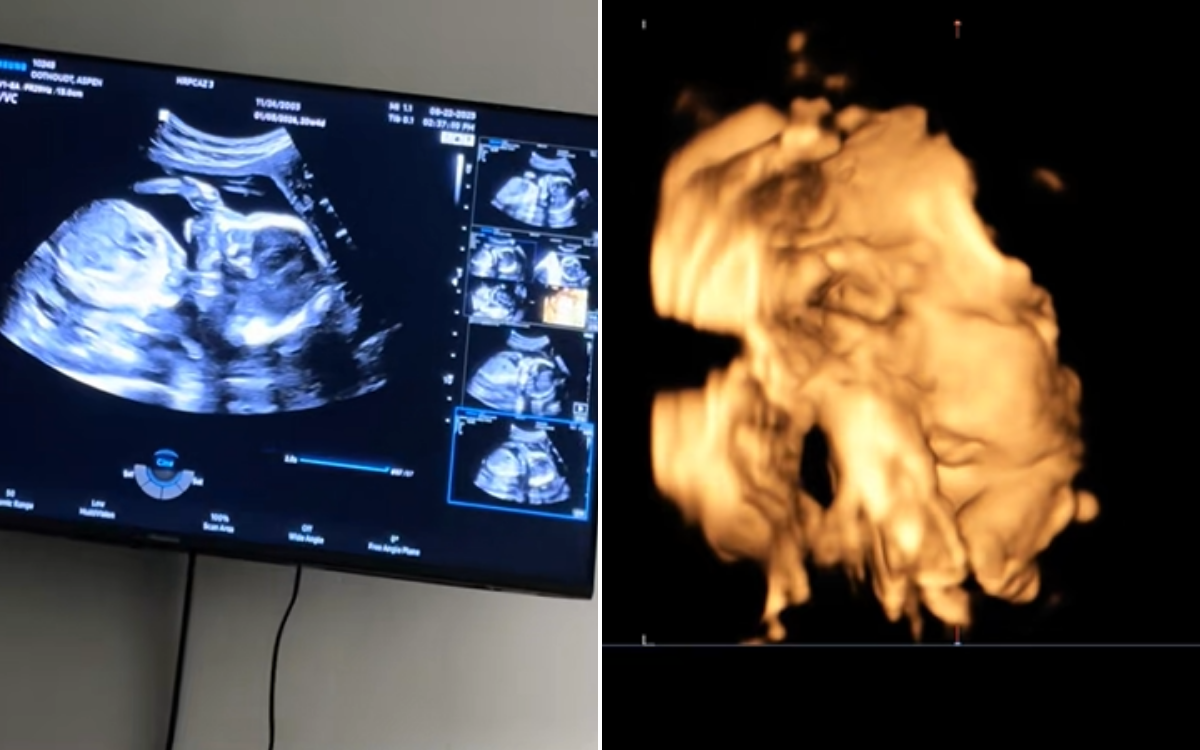
Aspen Oothoudt, a 22-year-old Arizona resident, gave birth to her son, Jettson, in January after receiving a prenatal diagnosis of anophthalmia. The rare congenital condition, which results in a baby being born without one or both eyes, was identified during a 20-week anatomy scan. While doctors initially raised concerns regarding potential brain or central nervous system defects and discussed the option of pregnancy termination, subsequent testing confirmed the absence of such complications.
Did You Know? Anophthalmia is not always inherited; while researchers have linked the condition to variants in over 90 different genes, approximately half of all cases occur sporadically due to new, spontaneous gene changes rather than being passed down from parents.
Understanding the Diagnosis and Genetic Context
Anophthalmia is a rare birth defect that involves the absence of ocular tissue. According to Oothoudt, she and her partner, Skyler Williams, underwent intensive genetic testing following the initial anatomy scan findings. These tests revealed that neither parent carried the defective gene, confirming the diagnosis was a spontaneous occurrence.
The condition can sometimes manifest as a symptom of broader health issues, including central nervous system or brain defects. In Oothoudt’s case, medical professionals flagged the possibility of such complications during the pregnancy. However, follow-up diagnostics provided clarity, showing that the child’s condition was limited to the absence of eyes, with no evidence of associated neurological issues.
The Significance of Prenatal Anxiety
The experience highlights the challenges of prenatal uncertainty. Oothoudt reported experiencing significant anxiety throughout her pregnancy, particularly following a previous miscarriage. Her experience aligns with broader health data; a study published in the journal Diseases found that prenatal anxiety affects between 17 and 24 percent of pregnant women, depending on the trimester.
Expert Insight: The clinical management of a rare diagnosis like anophthalmia often involves a complex interplay between diagnostic precision and parental support. When ultrasound scans reveal unusual findings, the stakes for parents involve navigating both the immediate medical prognosis—such as the risk of terminal outcomes—and the long-term implications for the child’s development. The transition from initial screening to confirmed diagnosis is often marked by high emotional distress, underscoring the importance of comprehensive genetic counseling and neurological screening to rule out systemic complications.
What May Happen Next for Families
For families receiving a similar diagnosis, a possible next step involves ongoing multidisciplinary care to monitor the child’s development. Since Oothoudt’s son, Jettson, was born, he has been described by his mother as a happy and healthy baby. While the diagnosis presents unique long-term needs, the absence of neurological defects significantly alters the expected health trajectory compared to cases where anophthalmia is part of a larger syndrome.
Frequently Asked Questions
What is anophthalmia?
Anophthalmia is a rare congenital condition where a baby is born without one or both eyes.
Is anophthalmia always inherited?
No. While it can be linked to variants in over 90 genes, about half of all cases occur sporadically due to new, spontaneous gene changes.
Are there other health risks associated with this condition?
Yes, anophthalmia can sometimes co-occur with or serve as a symptom of broader brain or central nervous system defects, though this is not present in every case.
As families navigate rare congenital diagnoses, what resources do you believe are most essential for supporting parents through the uncertainty of prenatal testing?