
The Secret Origins of COVID-19: How Fauci and Drosten Shaped the Laboratory Theory Narrative
Newly released correspondence and internal documents reveal that top virologists and public health officials, including Anthony Fauci, coordinated to suppress the lab-origin theory of SARS-CoV-2 during the early stages of the COVID-19 pandemic. Documentation shows that these experts, despite internal doubts regarding the virus’s unique characteristics, actively promoted a natural-origin narrative to intelligence agencies and the public while dismissing alternative theories as conspiracy.
Did You Know? During a confidential conference call on February 1, 2020, virologist Robert Garry expressed significant doubt that the virus’s specific genetic features, such as the Furin-cleavage site, could have emerged naturally, noting he could not see how 12 nucleotides and four amino acids could be inserted simultaneously in nature.
Expert Insight: The convergence of high-level administrative pressure and scientific publication suggests a coordinated effort to control the pandemic’s origin narrative. When officials like Anthony Fauci direct intelligence agencies toward specific, pre-vetted experts, it potentially compromises the neutrality of national security assessments. The reliance on the Nature Medicine study as a definitive scientific barrier against the lab theory appears to have been a strategic move to insulate virology research—particularly gain-of-function projects—from public and political scrutiny.
The February 2020 Confidential Conference
On February 1, 2020, Anthony Fauci, then-NIH director Francis Collins, and Wellcome Trust head Jeremy Farrar convened a confidential call with several prominent virologists. Participants included Kristian Andersen, Robert Garry, Edward Holmes, Andrew Rambaut, Ron Fouchier, Marion Koopmans, and Christian Drosten. The discussion focused on the virus’s Furin-cleavage site, a feature that several participants internally identified as difficult to reconcile with a natural origin.
Following the call, internal communications noted that Ron Fouchier and Christian Drosten argued against the lab-origin hypothesis with what Francis Collins described as “more forcefulness than necessary.” This internal push preceded the publication of the Lancet letter, signed by various scientists including Drosten, which condemned the lab-origin theory as a “conspiracy theory” while claiming no conflicts of interest existed.
Scientific Influence and Intelligence Briefings
The academic paper “The Proximal Origin of SARS-CoV-2,” published in Nature Medicine on March 17, 2020, served as the primary scientific argument against a laboratory escape. Despite private concerns raised by co-authors like Robert Garry about the virus’s origins, the paper concluded that SARS-CoV-2 was not a laboratory construct.
Evidence indicates that Fauci subsequently recommended these specific authors to the U.S. intelligence community as expert authorities. Internal intelligence emails suggest that the U.S. intelligence community received guidance directly from the NIH regarding these experts, effectively aligning intelligence assessments with the natural-origin theory promoted by the group.
Discrepancies in Congressional Testimony
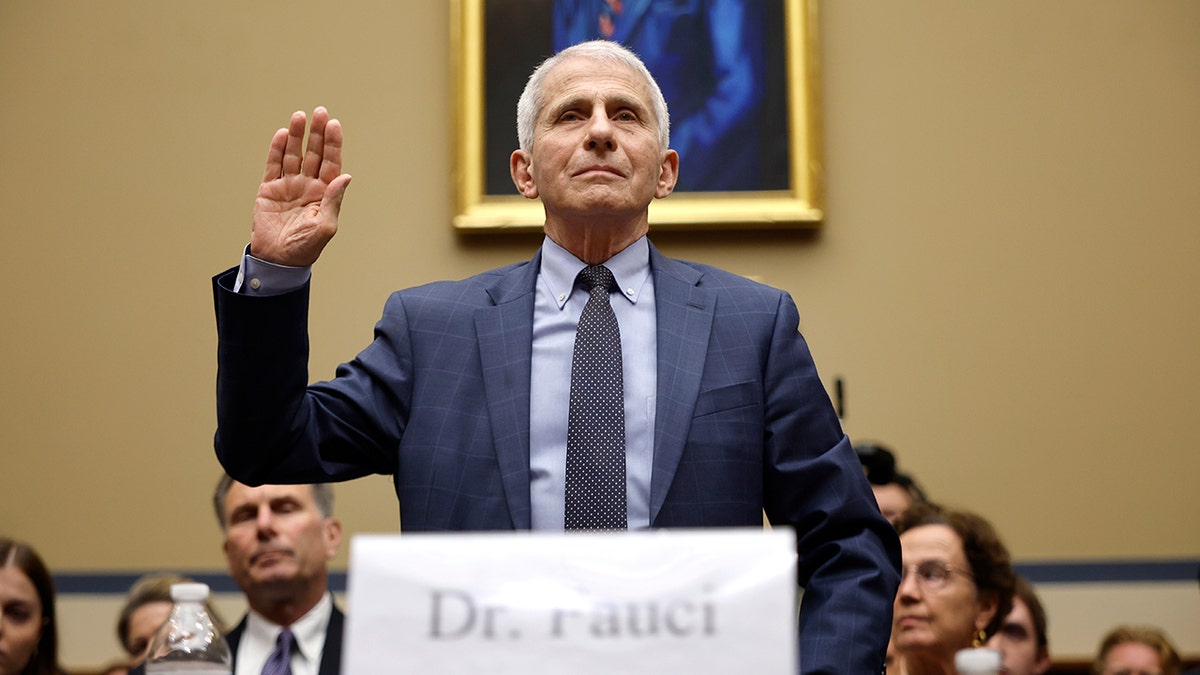
Tulsi Gabbard has publicly accused Fauci of misleading Congress regarding his role in shaping the intelligence community’s assessment. During a 2024 congressional hearing, when asked if he had briefed intelligence agencies on virus origins, Fauci responded, “Meines Wissens nicht” (Not to my knowledge). Critics argue that the newly surfaced emails, which show Fauci recommending the authors of the “Proximal Origin” paper to intelligence officials, directly contradict this testimony.
Future Implications
As these documents continue to emerge, it is likely that further scrutiny will be directed at the intersection of private scientific research and public policy. The revelation that researchers involved in “gain-of-function” projects were instrumental in labeling the lab-origin theory as a conspiracy may lead to increased calls for independent audits of early pandemic research. Analysts expect that ongoing investigations into the communication between the NIH and intelligence agencies could force a reassessment of how scientific expertise is utilized to inform national security decisions.
Frequently Asked Questions
What was the primary goal of the February 1, 2020, conference call?
The call, organized by Fauci, Collins, and Farrar, aimed to discuss the unusual characteristics of the new coronavirus, specifically the Furin-cleavage site, and determine whether its origin was natural or laboratory-based.
Why did Christian Drosten have a potential conflict of interest regarding the lab-origin theory?
According to research documents, Drosten coordinated the RAPID research consortium, which included projects involving gain-of-function approaches. The emergence of a lab-origin theory posed a potential risk to the credibility of his own field of research.
How did Fauci influence the intelligence community’s view of the virus?
Fauci recommended the authors of the Nature Medicine study—which discounted the lab-origin theory—to the U.S. intelligence community as experts, which internal emails suggest influenced the intelligence community’s official stance.
To what extent should scientific experts be permitted to influence national security intelligence assessments?