

The Short-War Fallacy: Trump’s Strategic Failure in Iran
The United States is struggling to extricate itself from a conflict with Iran that has defied expectations of a swift resolution. Despite assertions from President Donald Trump that a deal to reopen the Strait of Hormuz was “largely negotiated,” recent military actions have cast doubt on a lasting peace.
On May 25, U.S. Forces launched strikes against targets in southern Iran. This escalation prompted the Islamic Revolutionary Guard Corps to promise retaliation, leaving a previously ostensible cease-fire in the balance.
The Tactical Scale of Operation Epic Fury
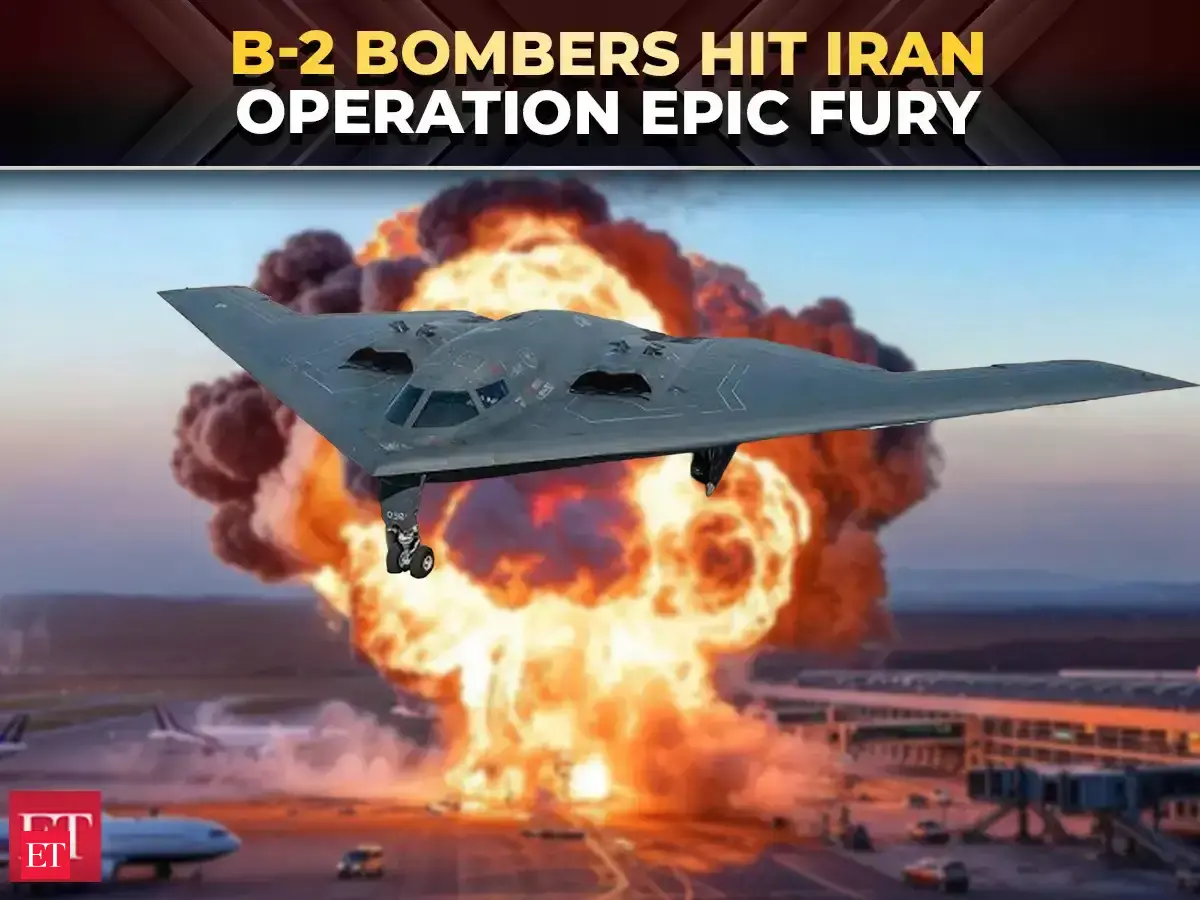
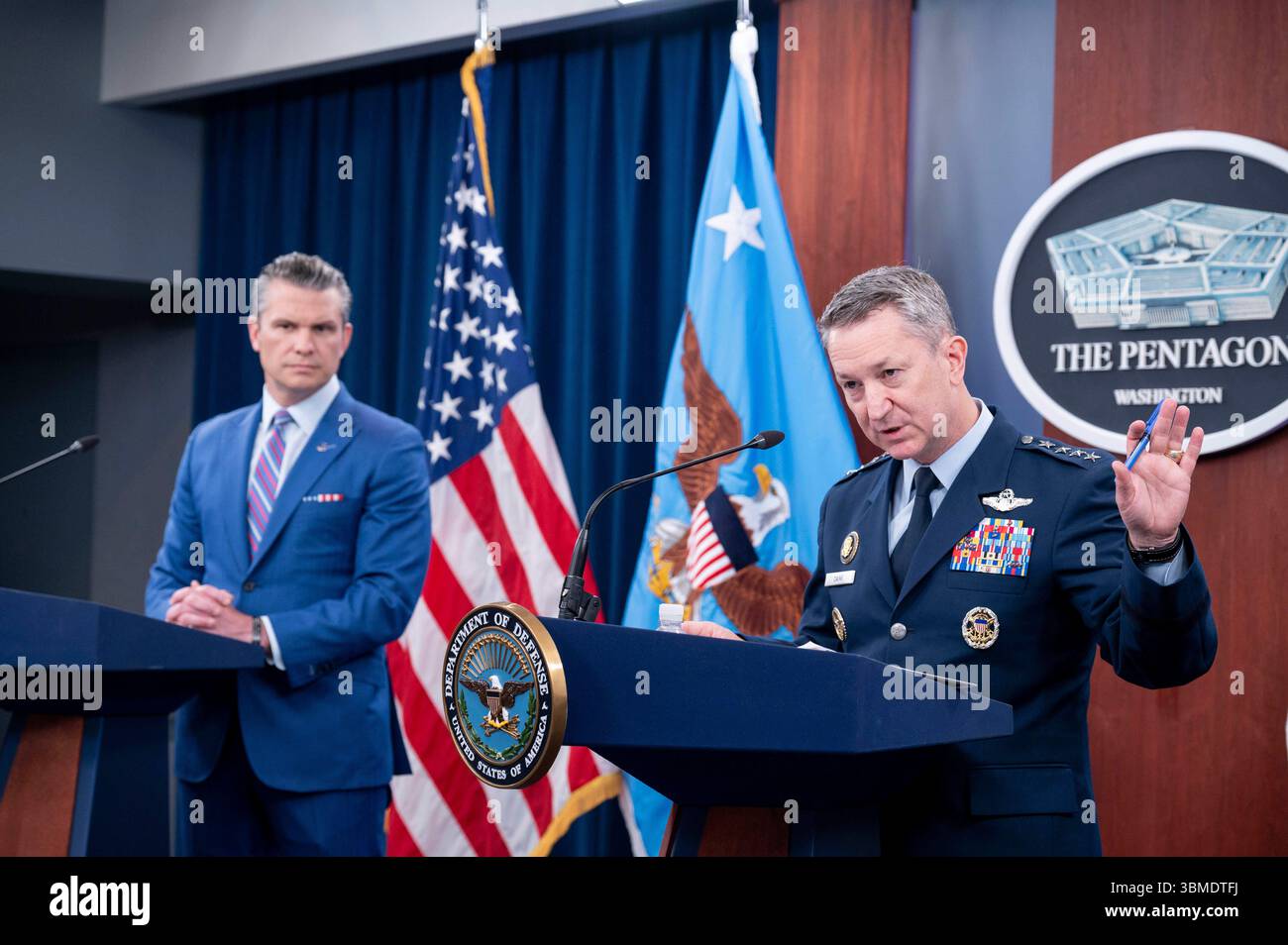
The campaign, known as Operation Epic Fury, demonstrated significant American military power. General Dan Caine, chairman of the Joint Chiefs of Staff, detailed a massive scale of destruction during an April 9 press conference.
U.S. Forces struck 13,000 targets, destroying 80 percent of Iran’s air defenses. The operation also hit 450 ballistic missile storage facilities, 800 one-way attack drone storage facilities, and over 2,000 command-and-control nodes.
Strategic Failure and the “Short-War Fallacy”
Despite tactical brilliance, the Trump administration has failed to achieve its core political objectives. These goals included effecting regime change and the complete eradication of Iran’s nuclear programme.
Defense Secretary Pete Hegseth described the operation as a “historic and overwhelming victory.” However, the Iranian regime has not collapsed; instead, hard-liners within the Islamic Revolutionary Guard Corps have used the war to tighten their domestic grip.
This outcome reflects the “short-war fallacy,” the belief that superior military technology and speed can quickly overwhelm an opponent. While artificial intelligence has accelerated decision-making and execution, it has not provided a clear path to securing political concessions.
Economic Consequences and Global Impact
The conflict has shifted from a military engagement to a battle of economic endurance. The Strait of Hormuz, a vital corridor for global oil, is now functionally closed.
To counter Iran’s actions, the U.S. Has implemented a counter-blockade of ships using Iranian ports. This impasse is likely to increase inflationary pressures on the American public and the global economy.
President Trump has argued that this economic pain is a necessary price to deny Iran a nuclear weapon. However, critics, including Representative John Garamendi, have characterized the situation as a “political and economic disaster at every level.”
Potential Future Scenarios
The path forward remains uncertain as both nations weigh their ability to withstand economic strain. Future negotiations may be shaped less by military superiority and more by which side can endure longer financial hardship.
If the impasse continues, the U.S. Could face increasing domestic pressure due to global inflation. A possible next step may involve seeking short-term concessions from Tehran to justify the initial launch of the war.
Alternatively, the conflict may remain a dead end if Iran continues to refuse immediate concessions regarding its nuclear programme, as the U.S. Remains reluctant to deploy significant ground forces to avoid a “quagmire.”
Frequently Asked Questions
What were the primary goals of Operation Epic Fury?
The core objectives were to effect regime change in Iran and eradicate the country’s nuclear programme.
Why is the closure of the Strait of Hormuz significant?
The strait is a vital sea corridor for the world’s oil; its functional closure adds significant strain to the global economy and contributes to inflation.
How did the Iranian regime respond to the U.S. Attacks?
Iran utilized succession plans for its leadership, disabled the internet to prevent insurrection, and ordered military commanders to target Israel and U.S. Gulf allies.
Do you believe technological superiority is enough to achieve political goals in modern warfare?