

The US and Iran have reached a deal, but Trump needs to sign up
The High-Stakes Gamble: Predicting the Next Phase of the US-Iran Conflict
The geopolitical landscape of the Middle East is currently operating on a knife-edge. Between the whispers of a 60-day memorandum of understanding and the sudden, violent strikes in Bandar Abbas and Beirut, we are seeing a new pattern of “escalation-to-negotiate.”
For those watching the markets and global security, the current volatility isn’t just a series of random events. It is a calculated, albeit chaotic, attempt to redefine power dynamics in the Persian Gulf. The real question is: where does this trend lead?
The ‘Chokepoint Economy’: The Battle for the Strait of Hormuz
The recent threats regarding tolls in the Strait of Hormuz signal a shift in how regional powers use geography as a weapon. When the US Treasury warns Oman against facilitating tolls, it isn’t just about shipping lanes; it’s about preventing the “monetization” of instability.

Future trends suggest that we will see more “hybrid warfare” in these waters. Instead of full-scale naval battles, expect increased signal jamming, drone harassment, and the use of “administrative” hurdles to slow down commercial traffic.
If Iran succeeds in establishing any form of control or “management” over the strait, it creates a permanent lever of power over Western economies. This is why the US response—combining “Economic Fury” sanctions with direct military strikes—is so aggressive.
The Impact on Global Energy Markets
We’ve already seen Brent North Sea crude rebound to nearly $96 a barrel following recent hostilities. The trend is clear: energy prices are no longer just about supply and demand; they are now a direct reflection of diplomatic tension.
Investors should watch for “volatility clusters,” where a single tweet or a reported “memorandum” causes massive price swings within minutes. The International Energy Agency often highlights how such geopolitical risks can decouple oil prices from actual consumption data.
Domestic Fallout: Inflation as a Geopolitical Constraint
War is expensive, but the indirect costs—inflation—are what often break a government’s resolve. In the US, inflation hitting a three-year high is a direct consequence of energy shocks tied to the Iran conflict.
When gasoline prices rise, voter disquiet follows. We are seeing a trend where domestic economic health is becoming the primary “brake” on military escalation. The pressure on the Republican party to maintain congressional control serves as a silent negotiator in the room.
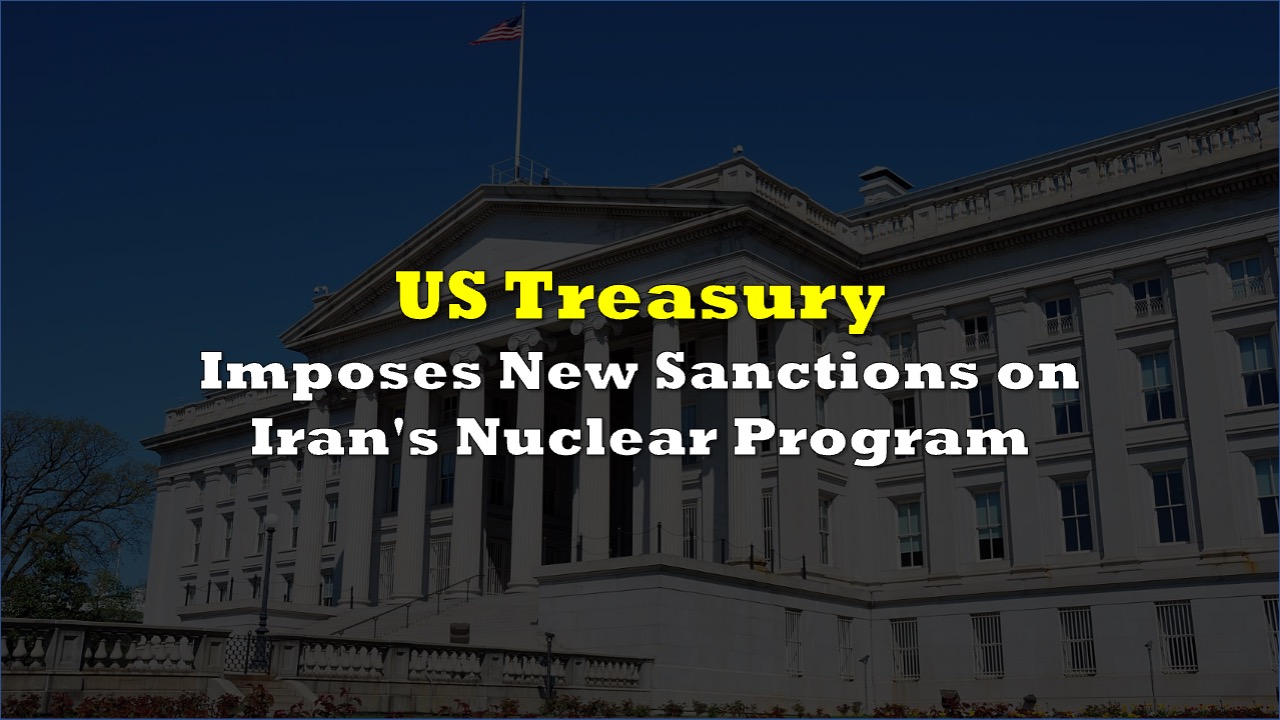
The “Economic Fury” campaign mentioned by the US Treasury is a double-edged sword. While it weakens the Iranian regime’s ability to pay its troops, it simultaneously risks prolonging the conflict by leaving Tehran with nothing to lose.
The Displacement Trend: Gaza and the New ‘Buffer Zone’
The directive to take control of 70% of the Gaza Strip and the rhetoric regarding “large-scale migration” suggest a long-term strategic shift. We are moving away from temporary military operations toward a policy of permanent territorial restructuring.
This trend of “squeezing” populations to create security buffers is likely to expand. We see this mirrored in Lebanon, where strikes in Tyre and Beirut are designed to push Hizbullah infrastructure further from the border.
However, this strategy creates a humanitarian vacuum that often fuels the next generation of insurgency. The contradiction between “redeveloping Gaza” and “ethnic cleansing” creates a diplomatic friction point that will likely haunt future ceasefire negotiations.
For more on the legal implications of these moves, see our analysis on [Internal Link: International Law and Buffer Zones].
The ‘Trump Factor’: Unpredictability as Diplomacy
The current US approach is characterized by extreme oscillation. One day, the administration cancels a family wedding for a potential deal; the next, it threatens to “blow up” a UN member state like Oman.
This is “Chaos Diplomacy.” By remaining unpredictable, the US prevents adversaries from calculating a reliable “red line.” The trend here is the abandonment of traditional diplomatic protocols in favour of direct, high-pressure demands.
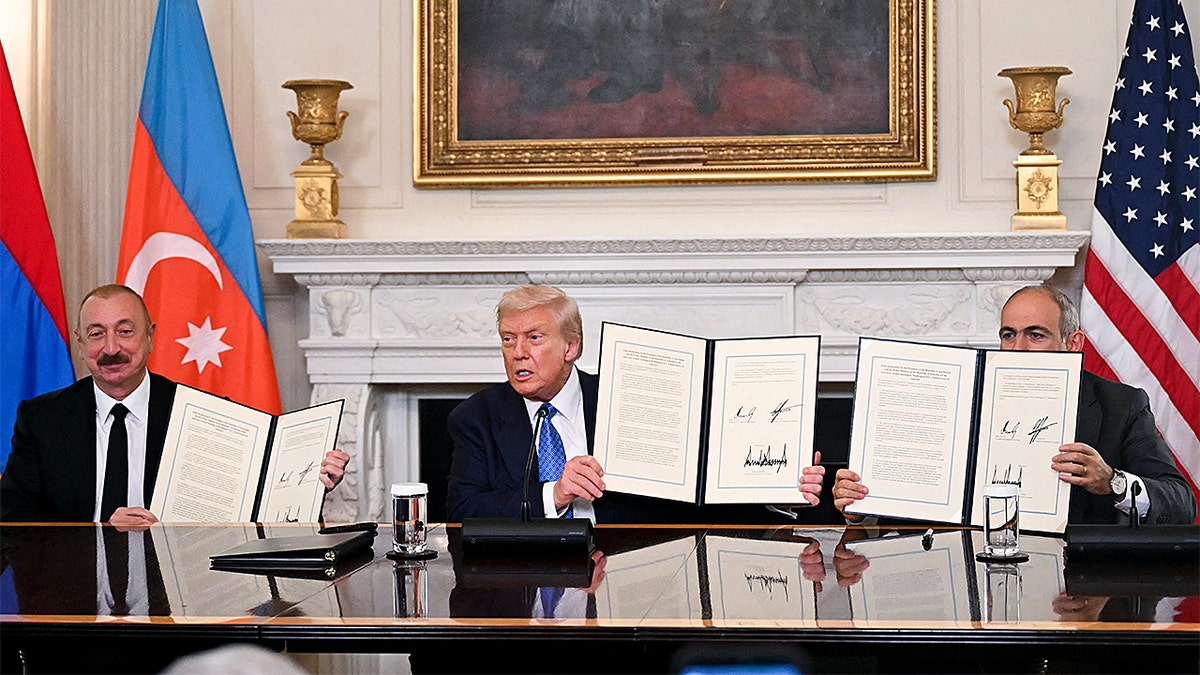
The 60-day memorandum of understanding is a perfect example. It isn’t a final peace treaty; it’s a “trial period” that allows the US to maintain pressure while offering a glimpse of relief to a struggling Iranian economy.
What to Watch in the Coming Months
- The 60-Day Clock: If the memorandum is signed, watch if Iran actually limits its nuclear enrichment in exchange for sanctions relief.
- Oman’s Pivot: Whether Oman remains a neutral mediator or is forced into a strict US alignment.
- Lebanese Security Talks: The success of the Washington talks will determine if the “nominal ceasefire” holds or if a full-scale ground invasion occurs.
Frequently Asked Questions
Q: Why is the Strait of Hormuz so critical?
A: It is the only sea passage from the Persian Gulf to the open ocean. A significant portion of the world’s oil and LNG passes through here; any disruption immediately spikes global energy prices.
Q: Will the US-Iran ceasefire actually hold?
A: Historically, these agreements are fragile. The current “memorandum” is a framework for negotiations, not a final deal. Success depends on whether Trump’s nuclear demands are met without triggering a regime collapse in Tehran.
Q: How does the conflict in Gaza affect US inflation?
A: While Gaza itself doesn’t produce oil, the conflict draws in regional players like Iran. When Iran threatens oil transit or the US strikes Iranian targets, the “risk premium” on oil increases, raising gas prices at the pump.
Join the Conversation
Do you think “Chaos Diplomacy” is an effective way to handle nuclear threats, or is it pushing the region toward an inevitable larger war?
Share your thoughts in the comments below or subscribe to our geopolitical newsletter for weekly deep-dives.