

The Witcher 3: Songs of the Past DLC Announced for 2027
The Era of the “Legacy DLC”: Why Games Never Truly End
The recent announcement of Songs of the Past for The Witcher 3: Wild Hunt is more than just a surprise content drop; It’s a signal of a fundamental shift in how we perceive the lifecycle of a AAA game. Releasing a major expansion twelve years after the initial launch is almost unheard of in the traditional gaming industry.

Historically, games had a “shelf life.” You bought a disc, played the expansions, and moved on to the sequel. However, we are entering the age of the “Eternal Game.” Developers are realising that high-quality, beloved titles possess a long-tail value that can be monetized and celebrated decades later.
This trend mirrors the “Live Service” model but applies it to single-player experiences. By returning to a legacy title, developers can keep their IP fresh in the public consciousness while bridging the gap between massive releases like the upcoming The Witcher 4.
The “Alumni” Model: A New Blueprint for Co-Development
One of the most fascinating aspects of the Songs of the Past development is the partnership with Fool’s Theory. This isn’t just a random outsourcing deal; it’s a collaboration with a studio comprised of former Witcher 3 developers.
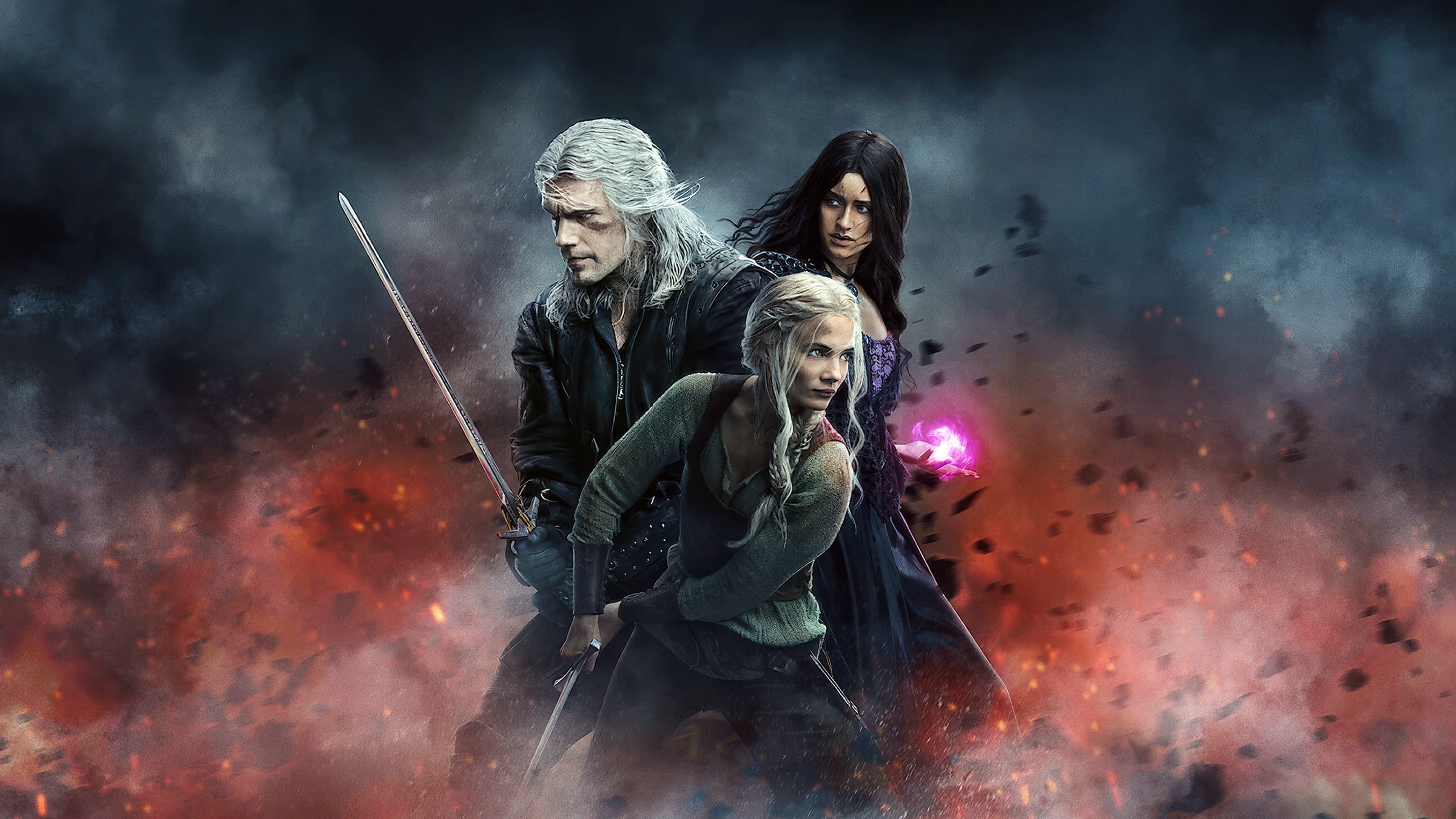
This “Alumni Model” solves one of the biggest problems in game development: institutional knowledge. When a core team moves on to a new project, the “soul” of the original game often leaves with them. By partnering with former employees, CD Projekt ensures that the new content feels authentic to the original vision.
We are likely to see this trend expand. As the industry grows, “satellite studios” formed by veterans of a specific franchise will become the go-to method for creating high-quality DLC and remasters without distracting the main studio from their primary “next-gen” project.
Managing the Franchise Tightrope: Witcher vs. Cyberpunk
CD Projekt Red is currently performing a high-stakes balancing act. They are managing a legacy masterpiece, preparing a new saga with The Witcher 4, and stabilizing the Cyberpunk brand. This strategy reveals a broader industry trend: diversified ecosystem management.
Instead of putting all their eggs in one basket, they are spreading their narrative reach. While Cyberpunk 2077‘s DLC cycle has closed, the expansion into transmedia—such as the Edgerunners anime—keeps the brand alive without requiring a full game update.
This approach reduces risk. If a new title faces delays (a common occurrence in modern AAA dev), the studio can maintain revenue and engagement by polishing and expanding existing hits. It’s a safety net that ensures the studio remains relevant regardless of the release calendar.
The Technical Debt Dilemma: Updating the Past
Adding new content to a decade-old engine is a technical nightmare. The announcement that system requirements for The Witcher 3 will be adjusted is a crucial detail. It highlights the struggle of “Technical Debt”—the cost of maintaining old code in a new hardware era.
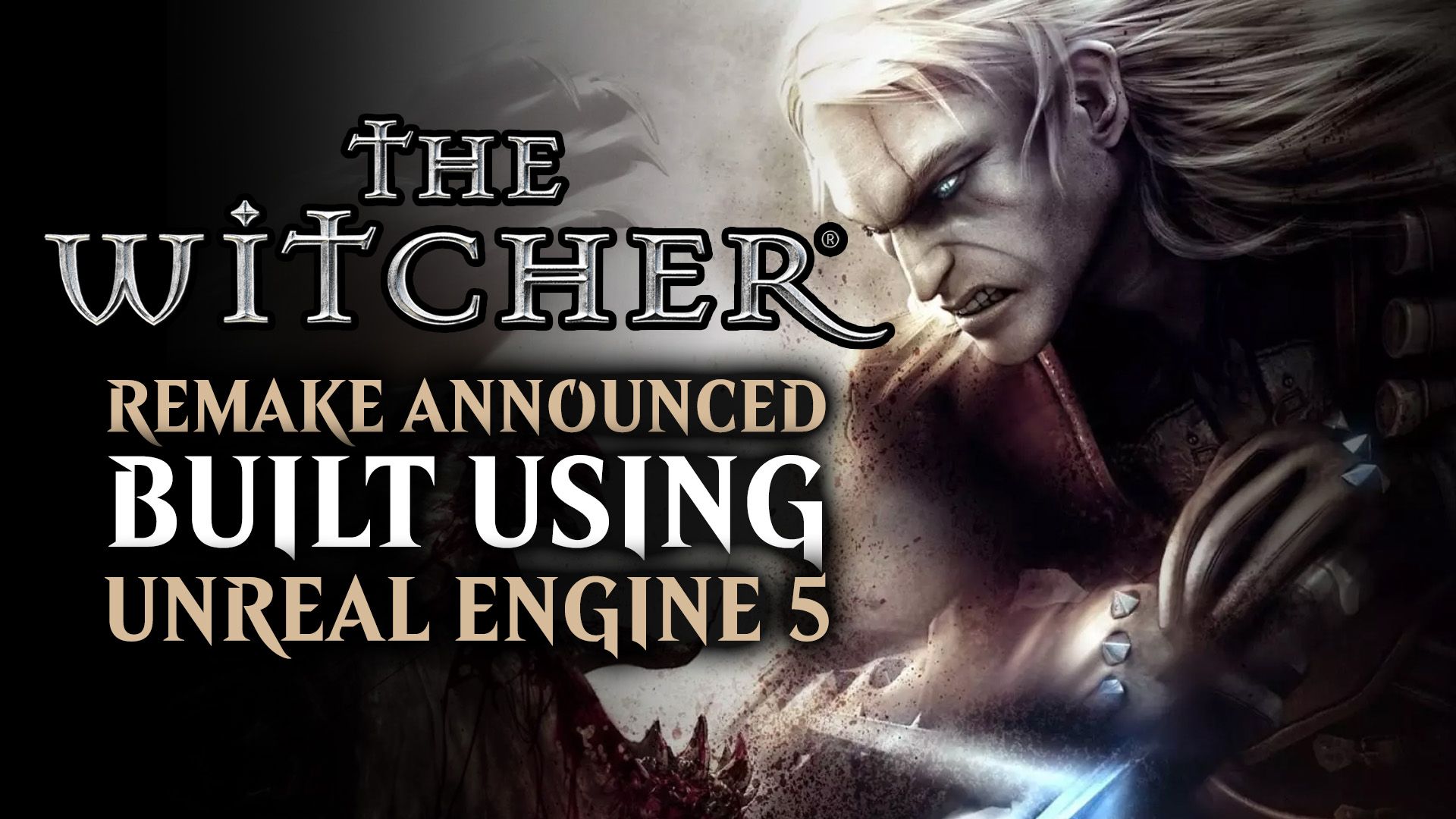
As we move toward more powerful consoles and AI-driven rendering, developers will have to choose between two paths: a full remake or a “living update.” The Witcher 3 approach suggests that a hybrid model—updating the core engine to support new DLC—is a viable way to extend a game’s life without the astronomical cost of a full reboot.
This will likely become the standard for other legendary titles. Why rebuild a game from scratch when you can evolve the existing architecture to support new adventures? Check out our deep dive into Unreal Engine 5 to see how this evolution is happening across the industry.
Frequently Asked Questions
Will legacy DLC be free for original owners?
While it varies by developer, major expansions like Songs of the Past are typically paid content, though they are often bundled into “Complete Editions” for new players.
Does this mean The Witcher 4 is delayed?
Not necessarily. Using a partner studio like Fool’s Theory allows the main team to focus on the new project while the legacy content is developed in parallel.
Why update system requirements for an old game?
Newer assets, higher resolution textures, and updated API support (like DirectX 12 or Vulkan) require more modern hardware to run stably.
What do you think about the “Eternal Game” trend?
Are you excited to return to Geralt’s world in 2027, or should developers leave the past alone and focus on the future? Let us know in the comments below!