
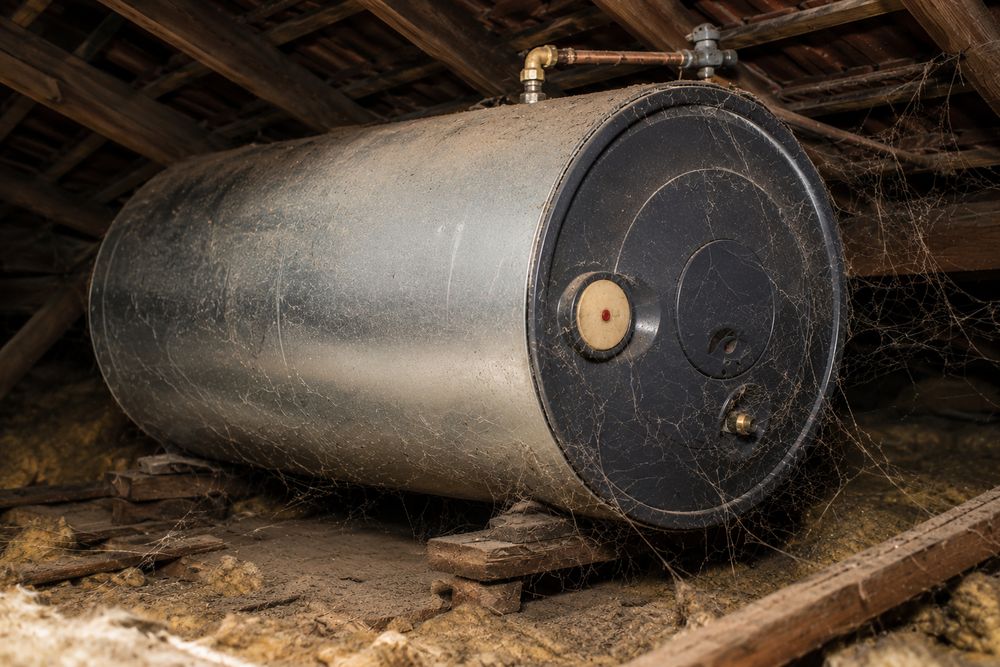
This appliance could be quietly costing you more than R1,100 per winter month
A typical South African household with a 200-litre geyser can spend over R1,100 per month on hot water during winter, with more than a quarter of that cost attributed to “standing losses”—the energy consumed to maintain water temperature while it is not in use. Research indicates that failing to manage these units effectively makes the water heater the single largest electricity consumer in many homes.
Did You Know? A standard 200-litre geyser without insulation, a timer, or pipe lagging can lose approximately 3kWh of electricity daily during winter simply to keep water hot while no one is using it.
Why the Geyser is a Hidden Budget Drain
The financial impact of a geyser is often obscured because the appliance operates out of sight, typically hidden above the ceiling. For a model family of four using 165 litres of hot water daily, heating the water accounts for roughly R825 of their monthly bill at an effective tariff of R3.20 per kWh. However, because the geyser remains active 24 hours a day, the thermostat continuously triggers the heating element to compensate for heat escaping through the tank and pipes.
This cycle of reheating adds approximately R288 per month to the bill. When combined with actual water usage, the total monthly cost reaches approximately R1,113. Because homeowners cannot see the geyser operating, many neglect to implement basic efficiency measures, allowing these costs to persist throughout the year.
Geographic and Behavioral Factors
Geography influences electricity demand due to the temperature of incoming municipal water. In warmer coastal cities like Durban, the geyser requires less energy to reach the standard 60°C setting compared to colder inland areas such as Johannesburg, Pretoria, and Bloemfontein. Consequently, estimated monthly costs for the same household range from R1,000 in coastal regions to more than R1,200 in colder inland provinces.
Despite these regional differences, individual behavior remains the most significant driver of consumption. Long showers, frequent baths, and the decision to keep a geyser running continuously have a greater impact on the monthly electricity bill than the climate. The failure to switch off the system or install simple hardware like timers allows small, consistent heat losses to accumulate into a substantial annual expense.
Expert Insight: Samantha Carter notes that the “out of sight, out of mind” nature of geyser management creates a significant financial blind spot for homeowners. The trade-off between the convenience of 24-hour hot water and the high cost of standing losses suggests that behavioral changes, such as using a timer, are necessary to mitigate the impact on household budgets.
What May Happen Next
Households that adopt efficiency measures may see immediate reductions in their monthly expenditure. Installing a timer to limit geyser operation to four hours per day could save a household R173 a month, totaling R2,076 in annual savings. Other interventions, such as adding a geyser blanket and insulated pipe lagging, could further reduce heat loss and improve overall system efficiency.
While solar heating presents another alternative, its effectiveness remains dependent on weather conditions. In periods of low sun exposure, homeowners would still need to rely on the electrical element to ensure water reaches the required temperature. As electricity tariffs remain a concern, analysts expect that more households will likely turn to these mechanical interventions to manage their primary source of home energy consumption.
Frequently Asked Questions
Why does a geyser consume electricity when it is not in use?
Heat continuously escapes through the tank and connected pipes. As the water temperature drops below the set point, the thermostat activates the heating element to restore the water to 60°C, regardless of whether the household is currently using hot water.
How much can a family save by using a timer?
By limiting the geyser to operate for only four hours per day, a household can save approximately R173 per month, which equates to R2,076 over the course of a year.
Does living in a colder climate increase the cost of running a geyser?
Yes. Colder municipal water temperatures, such as those found in inland cities like Johannesburg or Bloemfontein, require the geyser to use more electricity to heat the water to 60°C compared to warmer coastal cities like Durban.
How often do you inspect your home’s water heating system for potential energy leaks?