
This Clever New Engine Could Send Briefcase-Size Spacecraft to Mars
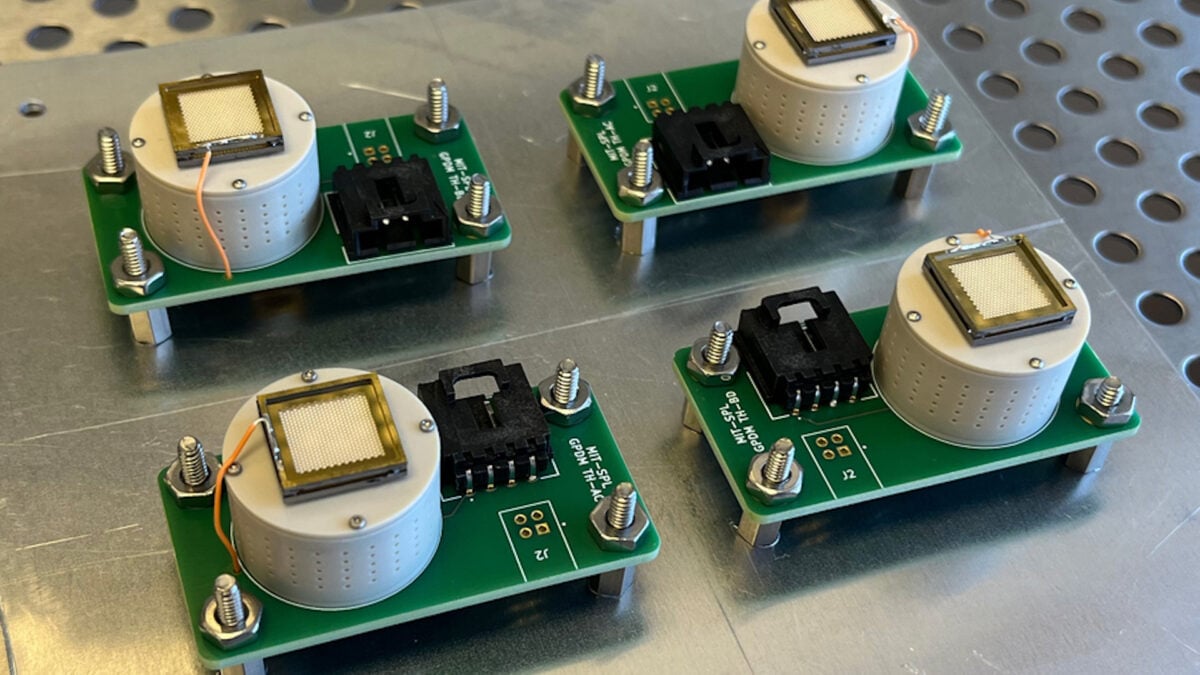
Engineers at MIT have developed a two-in-one propulsion system capable of fueling both traditional chemical thrusters and electrical thrusters. This innovation combines high-power speed with precise maneuverability for small satellites.
The breakthrough centres on a green monopropellant known as ASCENT, which was originally developed by the U.S. Air Force for chemical propulsion. Research published in the Journal of Propulsion and Power demonstrates that this same propellant can also power tiny electrospray thrusters.
A New Standard for Satellite Efficiency
Chemical propulsion typically requires a large fuel supply and an oxidizer to produce short, powerful bursts of thrust through hot gas. Conversely, dime-sized electrospray thrusters are more efficient, using electric fields to shoot liquid propellant particles into space.
By integrating both systems, a spacecraft could use electrospray thrusters for long interplanetary journeys and chemical thrusters for rapid ascents, descents, or speed adjustments. This dual capability could allow small satellites to explore the asteroid belt or Mars with significantly more flexibility.
Reducing Costs and Increasing Capabilities
The ability to use a single propellant tank prevents small satellites from being weighed down by separate fuel systems. This weight reduction could enable smaller, cheaper platforms to perform more science, and observations.
The MIT team focuses on satellites ranging in size from a lunchbox to a carry-on suitcase. Because these smaller craft are less expensive to manufacture and launch, the new propulsion system may further lower the financial barriers to space missions.
The Path to Deployment
The technology is set to be tested during NASA’s Green Propulsion Dual Mode mission, scheduled for launch in November. The mission will utilize a briefcase-sized CubeSat featuring one chemical thruster and four electrospray thrusters fueled by a single tank.
This mission could represent the first time a satellite utilizes a shared propellant tank. Such a system may allow operators to deploy constellations of satellites quickly or slowly depending on the nature of the observation, such as responding to a storm.
Frequently Asked Questions
What is ASCENT?
ASCENT is an Advanced SpaceCraft Energetic Non-Toxic propellant developed by the U.S. Air Force as a less toxic alternative to hydrazine.
How do electrospray thrusters differ from chemical thrusters?
Chemical thrusters produce short, powerful bursts of thrust using hot gas, while electrospray thrusters are more efficient and use electric fields to create a precise, thrust-generating spray.
What are the potential benefits of a shared propellant tank?
A shared tank reduces the weight of the spacecraft by eliminating the need for two separate tanks, potentially making missions cheaper and allowing small satellites to travel beyond Earth’s orbit.
How could the shift toward smaller, cheaper satellites change our approach to exploring the solar system?