
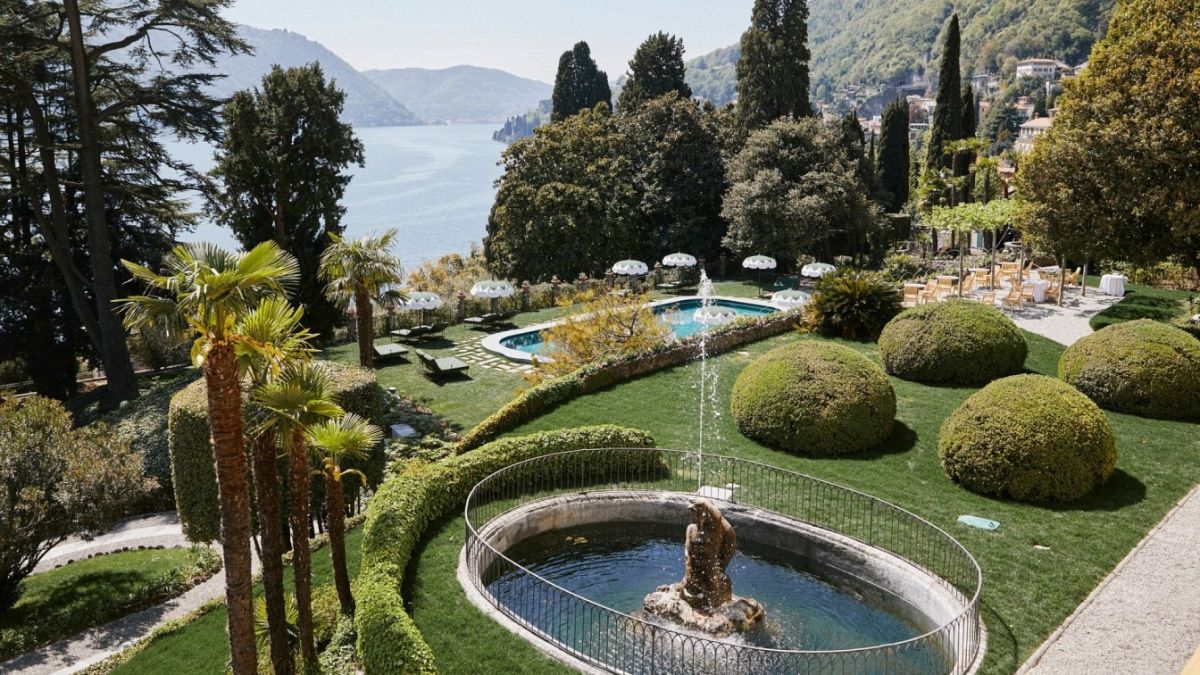
This Hotel Has Been Described As The Most Beautiful Place On Earth
The Evolution of Heritage Hospitality: Why Private Estates Are Defining the Future of Luxury Travel
The modern luxury traveler is moving away from the anonymity of large-scale resorts. Instead, there is a profound shift toward “soulful stays”—properties that offer an authentic narrative, historical pedigree, and a sense of place. At the forefront of this movement is Villa Treville, the former cliffside residence of legendary director Franco Zeffirelli.
As we look toward the future of high-end hospitality, the model established by properties like Villa Treville—where cinematic history meets bespoke, intimate service—is becoming the gold standard for global travel.
The Rise of “Cinematic Architecture” in Boutique Hotels
The future of luxury design is rooted in preservation. Travelers are increasingly drawn to hotels that act as living museums. By maintaining original architectural details, private art collections, and personal libraries—as seen with Zeffirelli’s sketches and antiques at Villa Treville—hotels can offer an immersive experience that a newly built property simply cannot replicate.
Sustainability Meets Quiet Luxury
The “quiet luxury” movement is no longer just about aesthetics; it is about operational philosophy. Future-forward estates are prioritizing hyper-local supply chains. By utilizing on-site organic farms—much like the restaurant Maestro’s—hotels reduce their carbon footprint while offering a “farm-to-table” experience that feels exclusive and authentic.
the integration of high-end wellness, such as the La Traviata spa, demonstrates a trend toward personalized, holistic health. Guests now expect bespoke treatments that utilize local botanicals, merging regional traditions with modern dermatological science.
The Power of Narrative: Why Books and Memoirs Matter
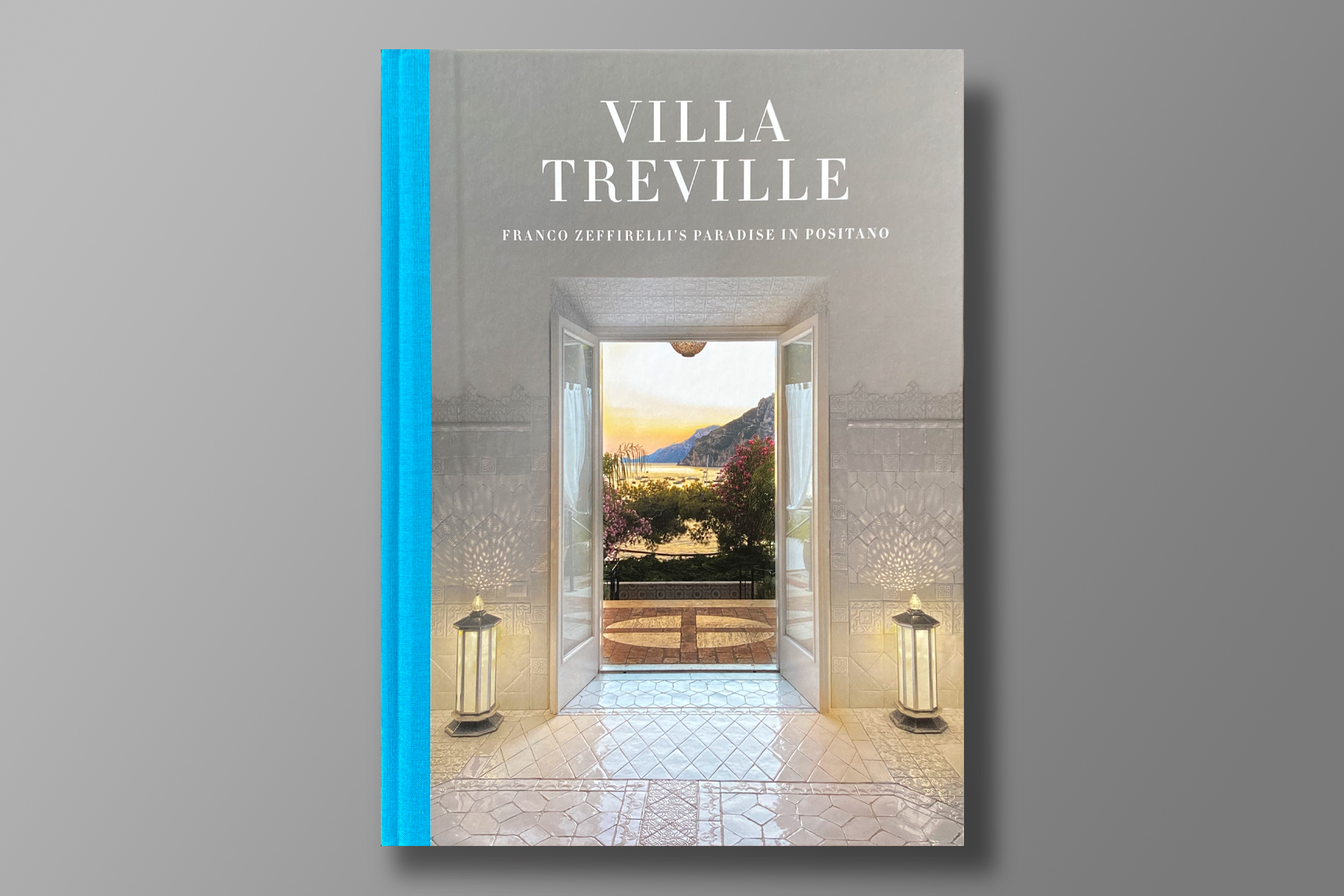
In an era of digital noise, physical media is making a comeback in the luxury sector. Coffee table books, such as the upcoming Assouline publication on Villa Treville, serve as essential tools for brand storytelling. They allow guests to deepen their connection to a destination long before they arrive, turning a simple stay into a pilgrimage for design and culture enthusiasts.
Expert Forecast: What’s Next for Amalfi Coast Travel?
- Hyper-Personalization: Expect more concierge services that offer “insider access” to private, non-public historical sites.
- The “Slow Travel” Mandate: Longer stays in boutique estates are replacing the “checklist” style of tourism.
- Digital Detox Zones: Luxury is increasingly defined by the ability to disconnect, with villas emphasizing natural acoustics and secluded pool areas over high-tech connectivity.
Frequently Asked Questions (FAQ)
- What makes a hotel “heritage luxury”?
- It is defined by the preservation of original architecture, the presence of historical artifacts, and a connection to the cultural legacy of the property’s previous owners.
- Can I visit Villa Treville if I am not a guest?
- While the estate is primarily an exclusive hotel, many luxury properties offer dining or spa experiences that allow non-residents to experience the grounds. It is recommended to contact the property directly to inquire about reservations.
- How has Zeffirelli’s influence shaped the hotel?
- Zeffirelli transformed the estate into a “dream world” using his experience in set design. His influence remains in the theatrical interiors, original library, and the preservation of his personal creative sketches.
Are you planning a trip to the Amalfi Coast? Share your favorite hidden gems in the comments below, or subscribe to our newsletter for more insights into the world’s most exclusive destinations.